

 Categories











































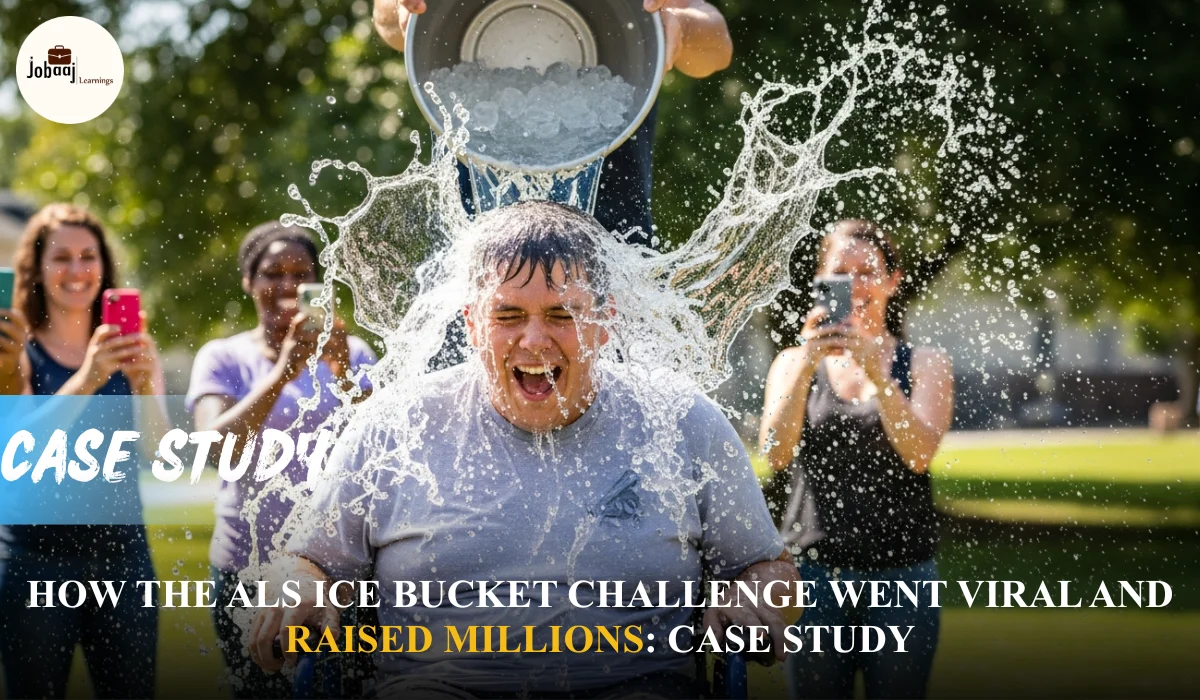
In the summer of 2014, a social media movement exploded across the globe, challenging people to pour ice-cold water over their heads for a cause. What began as a fun, somewhat quirky idea soon became a global phenomenon raising awareness, funds, and millions of social media interactions. This wasn’t just a viral stunt. The ALS Ice Bucket Challenge became a movement that drew attention to the progressive neurodegenerative disease Amyotrophic Lateral Sclerosis (ALS).
In this case study, we explore the viral success of the ALS Ice Bucket Challenge, examining how this social media campaign became a global sensation, the strategies that fueled its success, and the impact it had on ALS research and charitable giving.
The Challenge
The ALS Association was faced with an ongoing struggle: raising awareness and funding for ALS, a disease with a relatively low public profile compared to others like cancer or heart disease. Despite the severity of ALS, which affects the motor neurons controlling muscle movements, the association had limited resources to educate the public and fund research efforts.
At the time, traditional fundraising methods were no longer enough to create the kind of global awareness ALS needed. The question they faced was: How could they make ALS and their cause stand out in an increasingly crowded digital world?
Here’s the challenge they faced:
-
Lack of awareness: ALS wasn’t a widely known disease, and it lacked the mainstream attention needed for major fundraising efforts.
-
Low funding: ALS research had limited financial support compared to other diseases.
-
Traditional fundraising fatigue: People were becoming tired of the usual charity events, making it harder for the ALS Association to gain traction.
The ALS Ice Bucket Challenge emerged as a response to these challenges, turning social media engagement into a tool for social change.
Strategic Approach
The success of the ALS Ice Bucket Challenge can be attributed to a combination of creativity, timing, and effective use of social media. Here’s a breakdown of the key strategic elements that led to its viral success:
1.Leveraging Social Media for Viral Engagement
The ALS Ice Bucket Challenge spread like wildfire on social media platforms. The key to its success was its simplicity and engagement factor. The challenge wasn’t just about donating money; it was about participation. The challenge asked people to do two things: pour ice water over their heads and nominate others to do the same.
The viral nature of the campaign was amplified by social media influencers, celebrities, and everyday people joining in, creating an explosion of videos that encouraged even more participation.
2.Celebrity Involvement and Social Proof
One of the most critical aspects of the Ice Bucket Challenge’s success was the participation of celebrities. Public figures like Bill Gates, Oprah Winfrey, and Mark Zuckerberg took part in the challenge, not only raising awareness but also providing social proof that others should follow.
These celebrity endorsements made the challenge more visible and helped propel it into the mainstream. People were inspired to participate not only for the cause but also for the cultural trend it became. Watching celebrities take part made the challenge feel fun and inclusive, and encouraged others to join in.
3.Simplicity and Shareability
The concept behind the Ice Bucket Challenge was brilliantly simple. It involved an easy-to-execute action (pouring ice water over your head) that could be filmed and shared in a matter of seconds. This shareable format made it easy for people to participate and spread the challenge across their social media networks.
As more people shared their videos, the challenge gained momentum, turning into a massive viral movement that brought attention to ALS in a way that traditional media could never have achieved.
4.Combining Fun with a Serious Cause
What set the ALS Ice Bucket Challenge apart from other fundraising efforts was its ability to balance fun and seriousness. The act of dumping ice water on your head was playful and humorous, but it also had a serious underlying message. Each video was an opportunity to raise awareness for ALS and encourage others to donate.
The humor and lightheartedness helped humanize the cause, making it accessible and relatable to people of all ages. It was a perfect example of how positive emotions could drive engagement and inspire action.
Findings
After analyzing the ALS Ice Bucket Challenge, several key findings emerged:
1.Social Media Can Drive Global Awareness
The Ice Bucket Challenge demonstrated the power of social media in driving global awareness. The campaign reached millions of people worldwide, making ALS a topic of conversation across various platforms.
2.Fun and Engagement Are Key to Virality
The simplicity, humor, and engagement factor of the Ice Bucket Challenge made it an ideal candidate for viral marketing. It wasn’t just about making a donation it was about joining a global movement and participating in something fun and memorable.
3.Celebrity Participation Drives Momentum
The involvement of high-profile figures significantly increased the campaign's visibility and social proof. Celebrities don’t just influence trends they accelerate them. Their participation in the Ice Bucket Challenge helped the campaign gain widespread traction.
4.User-Generated Content Drives Engagement
Encouraging people to create and share their own content (in this case, videos of themselves completing the challenge) created a massive wave of participation. This user-generated content made the campaign feel like a collective effort, where everyone could contribute.
Results
The ALS Ice Bucket Challenge achieved extraordinary results:
1.Fundraising Success
The ALS Ice Bucket Challenge raised over $115 million for ALS research in just eight weeks. This was an unprecedented amount of funding for a disease that had been historically underfunded. The money raised funded critical research and increased awareness of ALS, helping bring new treatments to light.
2.Global Reach and Awareness
The challenge went viral in over 170 countries and was covered by major news outlets. From viral videos to news stories, the ALS Ice Bucket Challenge became a global movement that educated millions about ALS. Awareness for the disease surged, and so did calls for increased funding for research.
3.Increase in Donor Engagement
The campaign not only raised money but also increased donor engagement. The challenge allowed people to feel involved in something larger than themselves, creating a sense of community and purpose around ALS.
4.Long-Term Impact on ALS Research
The funds raised through the Ice Bucket Challenge contributed to ongoing research that has advanced the understanding of ALS and provided new avenues for potential treatments. The campaign also left a lasting impact on how future campaigns might use social media to drive fundraising efforts for health causes.
Key Takeaways
Here are the biggest lessons from the ALS Ice Bucket Challenge:
1.Simplicity and Shareability Are Key to Virality
The Ice Bucket Challenge’s success shows that simple, shareable content is more likely to go viral. The easier it is for people to participate, the greater the potential for widespread engagement.
2.Combine Fun and Purpose for Maximum Impact
By combining fun with a serious cause, the Ice Bucket Challenge was able to engage a global audience while still keeping the attention on the critical issue of ALS.
3.Celebrity Involvement Can Amplify a Cause
Celebrity participation brings instant credibility and attention to a campaign. When high-profile figures joined the challenge, it provided the campaign with the social proof it needed to go viral.
4.User-Generated Content Drives Momentum
Encouraging user-generated content not only made the campaign feel personal, but it also helped build a community of participants, creating a sense of shared experience and collective effort.
Conclusion
The ALS Ice Bucket Challenge was a game-changer in the world of fundraising. By leveraging the power of social media, celebrities, and user-generated content, the campaign raised millions of dollars and brought global attention to ALS, a disease that previously lacked widespread recognition.
In today’s digital age, the success of the ALS Ice Bucket Challenge serves as a powerful reminder that emotionally engaging campaigns, combined with easy-to-participate actions, can lead to viral success. The campaign didn’t just raise money it created a global conversation about ALS and changed the landscape of how charities engage with the public.
Was that tough?
Think you won't make it in the field of Digital Marketing?? Don't worry, we got you!
Click Here to join hundreds of other aspiring individuals who aim to become Performance Marketers and help mega-corporations run their next successful marketing campaign!
Join our latest cohort NOW!!





