

 Categories











































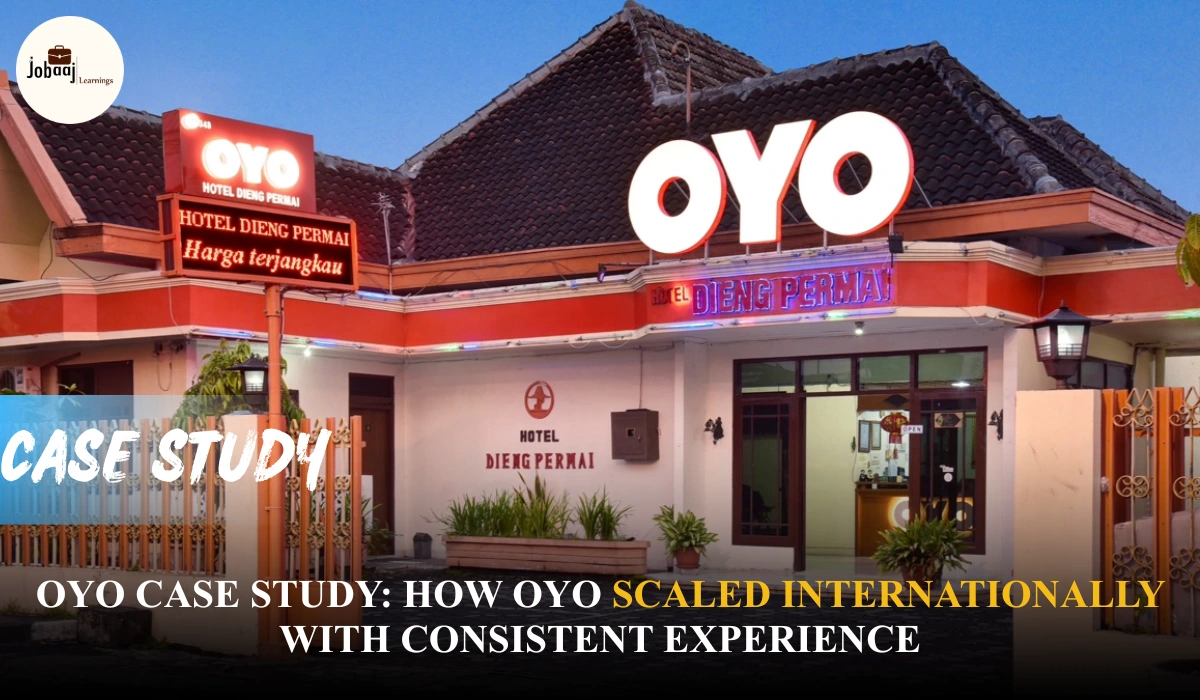
When you think of affordable yet high-quality hotel stays, OYO might just come to mind. From its humble beginnings in India to its global expansion, OYO has redefined the hotel industry by offering standardized, budget-friendly stays without compromising on quality. What started as a small chain of hotels soon grew into one of the largest hospitality companies in the world.
In this case study, we’ll take a closer look at how OYO scaled its operations internationally while maintaining a consistent, standardized experience for travelers across different regions. We’ll dive into the challenges they faced, the strategies they employed, and how they made a significant impact on the global hospitality landscape.
The Problem
As OYO expanded beyond India, it faced a unique set of challenges:
-
Maintaining consistency across diverse regions: The hospitality industry is known for its diversity, with customers in different countries having varying expectations. OYO needed to ensure that their hotels maintained a consistent level of service and experience across countries, while also catering to local preferences.
-
Operational complexity: Scaling internationally meant dealing with a variety of legal, regulatory, and operational challenges in different countries. From navigating government policies to managing local suppliers, OYO needed to streamline its operations without sacrificing quality.
-
Brand Recognition: While OYO was a household name in India, establishing itself in international markets meant building brand recognition and trust. New customers often need time to trust a brand they’ve never encountered before.
Approach & Strategy
To address these challenges and achieve successful international expansion, OYO implemented a series of strategic initiatives:
1. Standardized Experience Across Locations
OYO’s biggest strength is its ability to offer a consistent experience, no matter where the hotel is located. The company adopted a standardized set of operating procedures that each hotel had to follow. This included uniform interior design, standardized amenities (such as free Wi-Fi, AC, clean bedding), and consistent customer service.
By focusing on these basic elements, OYO ensured that customers received the same quality and experience whether they were booking in India, China, or the US. This uniformity allowed OYO to grow rapidly without sacrificing brand quality.
2. Leveraging Technology for Operational Efficiency
OYO used technology to streamline its operations and manage the complexities of running hotels in multiple regions. The company developed an in-house management system that allowed hotel owners to easily track bookings, check-in/check-out timings, room availability, and customer feedback.
Additionally, the system facilitated real-time data analytics, helping OYO assess performance metrics, identify potential issues, and optimize operations for greater efficiency.
3. Franchising Model for Scalable Growth
Rather than investing heavily in building its own properties, OYO adopted a franchising model to scale quickly. By partnering with local hotel owners, OYO could tap into existing properties and bring them into the OYO ecosystem.
This approach reduced the capital expenditure needed for expansion while still allowing OYO to maintain control over the quality of service through its standardized processes. The franchise model also gave OYO flexibility in adapting to local market conditions and preferences.
4. Adapting to Local Markets While Keeping Core Values
Despite focusing on a standardized experience, OYO didn’t ignore the importance of localization. The company made efforts to tailor its offerings to local markets while keeping its core values intact. For instance, in markets like China, OYO introduced local payment methods and adjusted room layouts to suit the preferences of Chinese travelers.
In other regions, OYO collaborated with local suppliers for specific amenities, like locally-sourced food or region-specific room designs, ensuring that it didn’t lose touch with the local culture.
5. Aggressive Marketing and Brand Positioning
To build brand recognition, OYO invested heavily in advertising and marketing. From online ads and social media campaigns to partnerships with local influencers, OYO ensured that people knew about the brand.
They also introduced attractive discounts and loyalty programs to incentivize customers to choose OYO over competitors. Additionally, the company relied on customer reviews and feedback, showcasing how OYO maintained quality at an affordable price.
Key Findings
Several insights emerged from OYO’s international growth:
-
Standardization helps scale efficiently: Offering a consistent experience across different markets allowed OYO to expand rapidly without compromising quality.
-
Technology is a game-changer: OYO’s tech-driven approach streamlined operations and enhanced overall efficiency, enabling the company to manage thousands of properties across multiple countries.
-
Local adaptation is important: While standardization was key, localizing some elements (like payment methods and design preferences) helped OYO connect with customers and cater to regional needs.
-
Franchising accelerates growth: By using the franchise model, OYO was able to scale quickly without incurring massive upfront costs.
-
Marketing drives brand trust: Aggressive and targeted marketing campaigns were key to building OYO’s brand recognition in new markets.
Results
As a result of its strategies, OYO saw impressive outcomes:
-
Global Expansion: OYO quickly expanded to over 80 countries, becoming one of the largest hospitality brands in the world.
-
Increased Brand Recognition: The company was able to grow its presence in international markets and become a well-recognized brand, even in highly competitive regions like the US, China, and Europe.
-
High Customer Retention: By offering affordable yet reliable stays with consistent quality, OYO experienced high customer loyalty. Repeat customers and positive word-of-mouth helped solidify its reputation in the hospitality industry.
-
Financial Growth: OYO’s ability to expand rapidly without huge capital investment paid off, as it grew both its global revenue and market share.
Lessons & Best Practices
OYO’s international growth offers several important lessons for any business looking to scale globally:
-
Focus on Consistency: Consistency in experience is vital when scaling. Ensuring that your brand promises the same quality of service in any market can build trust and loyalty quickly.
-
Leverage Technology for Efficiency: Technology isn’t just a luxury it’s a necessity. Use it to streamline operations, enhance customer experience, and track key metrics to optimize your processes.
-
Adapt to Local Markets: While consistency is key, being open to localizing your offerings ensures that you remain relevant and responsive to customer preferences.
-
Use Franchising to Scale: If you want rapid expansion without the massive capital requirements, consider franchising as an effective way to grow quickly while ensuring quality control.
-
Invest in Marketing: To build brand recognition and trust in new markets, invest in targeted marketing that speaks directly to the local customer base.
Conclusion
OYO’s journey to international growth is a testament to how a strong focus on standardization, technology, and localization can help a company expand globally while maintaining quality and trust. By offering a consistent and affordable experience to travelers, OYO was able to scale its operations across multiple regions and become a household name in the hospitality industry.
For companies looking to expand internationally, OYO’s case study shows that consistent quality, localized strategies, and technology-driven solutions are the keys to success.
Was that tough?
Think you won't make it in the field of Digital Marketing?? Don't worry, we got you!
Click Here to join hundreds of other aspiring individuals who aim to become Performance Marketers and help mega-corporations run their next successful marketing campaign!
Join our latest cohort NOW!!





