

 Categories











































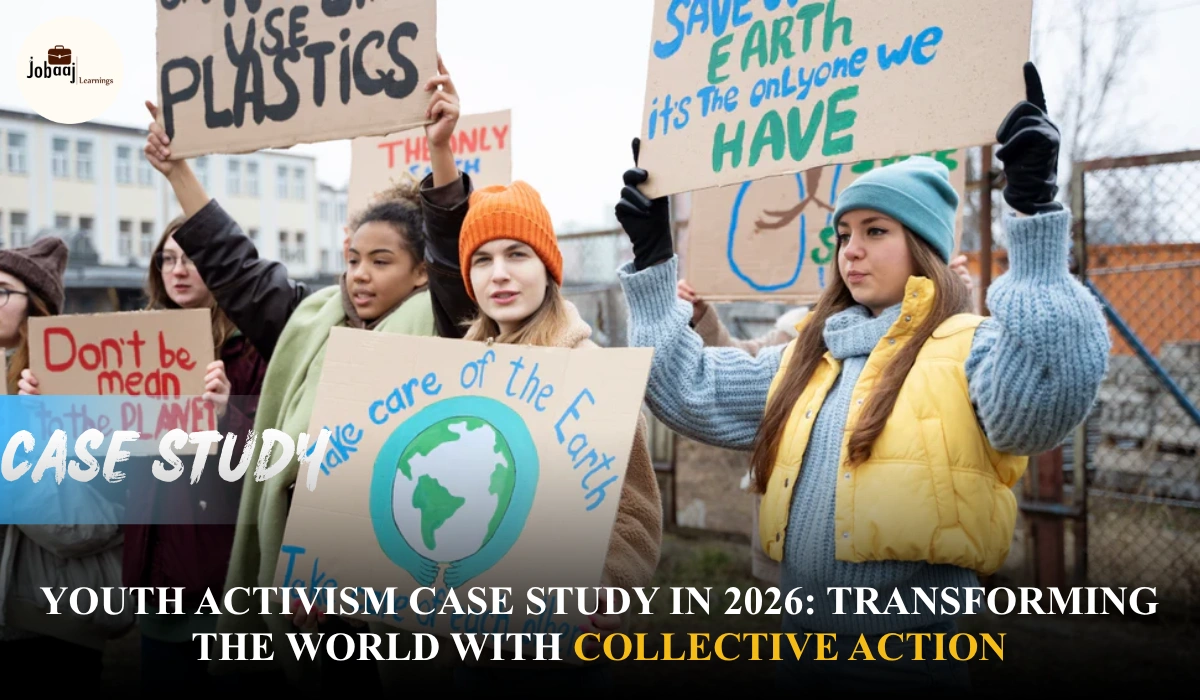
In recent years, youth activism has become one of the most powerful forces driving social, environmental, and political change worldwide. What was once seen as the realm of idealistic teenagers has now evolved into a significant, organized movement with a global impact. From climate change protests to human rights campaigns, young activists are not just participating they are leading.
This case study explores how youth activism has evolved over the past decade, the key drivers of youth movements, and the global influence these movements have achieved. By focusing on key examples, challenges, and the role of technology, this study highlights the powerful impact of youth-led initiatives
The Problem
Youth activism has often been overlooked or dismissed by traditional power structures. While youth have historically played a pivotal role in revolutions and social movements, there have been systemic challenges that hindered their ability to create lasting change:
1. Limited Political Influence
Young people, especially in democratic nations, often face barriers to political participation, such as limited voting rights or underrepresentation in decision-making bodies.
2. Lack of Resources
Youth-led movements struggle with limited access to financial resources, organizational infrastructure, and media platforms, which are crucial for mobilizing support and maintaining momentum.
3. Negative Stereotypes
Young activists are often dismissed as naïve or idealistic, with their messages undermined by traditional media and political elites.
4. Access to Information
Though technology provides access to information, the digital divide still prevents some young people from accessing the tools and education they need to participate fully in activism.
Objective
This case study aims to:
- Analyze the impact of youth activism on social, political, and environmental issues.
- Examine the role of technology and social media in empowering young activists.
- Highlight key movements and case studies that showcase the power of youth activism.
- Identify challenges youth activists face and strategies they use to overcome them.
Methodology
To gather insights, we:
- Analyzed youth-led campaigns and movements in the past decade.
- Conducted interviews with young activists involved in global movements.
- Reviewed data on youth voter turnout, social media engagement, and global activism.
- Explored case studies on platforms like Greta Thunberg’s Fridays for Future and Black Lives Matter.
Key Findings
1. Technology and Social Media: The Game Changer
The rise of social media platforms like Twitter, Instagram, and TikTok has revolutionized youth activism. These platforms offer a space for young people to organize, mobilize, and amplify their messages to a global audience.
- Hashtags like #FridaysForFuture and #MeToo have generated viral movements, allowing youth activists to reach millions of people worldwide in a matter of days.
- Live streaming and online petitions enable young people to create immediate impact and support for their causes.
Example:Greta Thunberg, a Swedish teenager, gained international recognition by starting the Fridays for Future movement, which used social media to mobilize millions of young people worldwide to demand action on climate change.
2. Education as a Catalyst for Change
Education has become one of the key focuses of youth activists. From climate education to human rights awareness, young activists are seeking to educate their peers and the wider world on critical issues. Youth-led organizations are creating educational content, hosting workshops, and leveraging global platforms to address topics that may not be taught in traditional educational systems.
- Programs like Teach the Future advocate for integrating climate change into school curriculums.
- Activists are working to ensure human rights education is accessible to young people everywhere.
Example:In the US, students involved in the March for Our Lives campaign pushed for gun control and used educational initiatives to spread awareness about school shootings and youth safety.
3. Global Reach and Solidarity
Youth activism has also become a global network, with young people from different countries working together to address shared problems, such as climate change, gender equality, and racial justice. Youth movements are now interconnected, with activists collaborating across borders to amplify their impact.
Example:
The Global Youth Climate Strike, led by Greta Thunberg, brought together millions of young people from over 100 countries to demand urgent climate action. These global strikes were powered by social media and youth-driven grassroots organizations.
4. Intersectionality in Youth Movements
Modern youth activism is increasingly intersectional, addressing multiple social issues simultaneously. Activists are not only focusing on environmental justice but also tackling issues like racial inequality, economic disparity, LGBTQ+ rights, and mental health awareness.
Example:
The Black Lives Matter movement, which was led largely by youth in the US, highlighted the need for both racial justice and police reform, while also addressing systemic inequalities affecting Black communities worldwide.
Challenges Faced by Youth Activists
While youth activism is powerful, several barriers persist:
1. Political Resistance
Many youth-led movements face resistance from political elites and powerful corporations that attempt to discredit their efforts or undermine their credibility.
2. Digital Divide
Not all young people have the same access to technology, which limits their ability to engage in online activism. This is especially problematic in rural and underprivileged areas.
3. Lack of Legal Protection
In many countries, youth activists face legal challenges, including restrictions on peaceful assembly, surveillance, and even imprisonment for speaking out.
4. Mental Health Challenges
The pressure of leading global movements, combined with the toxic nature of online discourse, has led to mental health challenges among many youth activists.
Results and Impact
Environmental Impact
Youth-led movements, particularly those focused on climate change, have influenced international climate policy. The Fridays for Future movement has pressured governments and international organizations to prioritize climate action, leading to significant commitments from the European Union and the United Nations.
Social Change
Youth activism has also contributed to social and cultural shifts. Movements like #MeToo and Black Lives Matter have raised awareness about gender and racial inequalities, leading to policy changes, protests, and global conversations about justice and equality.
Political Impact
In many countries, young people have become a voting bloc that cannot be ignored. As youth voter turnout has increased, young activists have influenced elections, from local school board races to national politics.
Lessons Learned
1. Youth Movements Need Strategic Leadership
For youth movements to achieve long-term success, it is essential to have clear leadership and a sustainable organizational structure. The best movements combine grassroots activism with organized leadership.
2. Building Coalitions is Key
Collaboration across movements, nations, and demographics is essential for amplifying the message and pushing for systemic change.
3. Empowerment Through Education
Equipping young people with the knowledge and tools they need to understand complex global issues is essential. Educational initiatives should include both formal and informal methods of engagement.
Conclusion
Youth activism in 2026 is a force to be reckoned with. The ability of young people to organize, mobilize, and lead global movements is unparalleled. Technology, education, and intersectionality have amplified the impact of these movements, making youth the primary driver of change on issues like climate change, gender equality, and racial justice.
The youth-led revolution is just beginning, and it is clear that today’s youth will shape the future. By harnessing the power of digital tools, expanding educational opportunities, and fostering global solidarity, youth activists will continue to lead the charge for a more just and sustainable world.
Was that tough?
Think you won't make it in the field of Digital Marketing?? Don't worry, we got you!
Click Here to join hundreds of other aspiring individuals who aim to become Performance Marketers and help mega-corporations run their next successful marketing campaign!
Join our latest cohort NOW!!





