

 Categories










































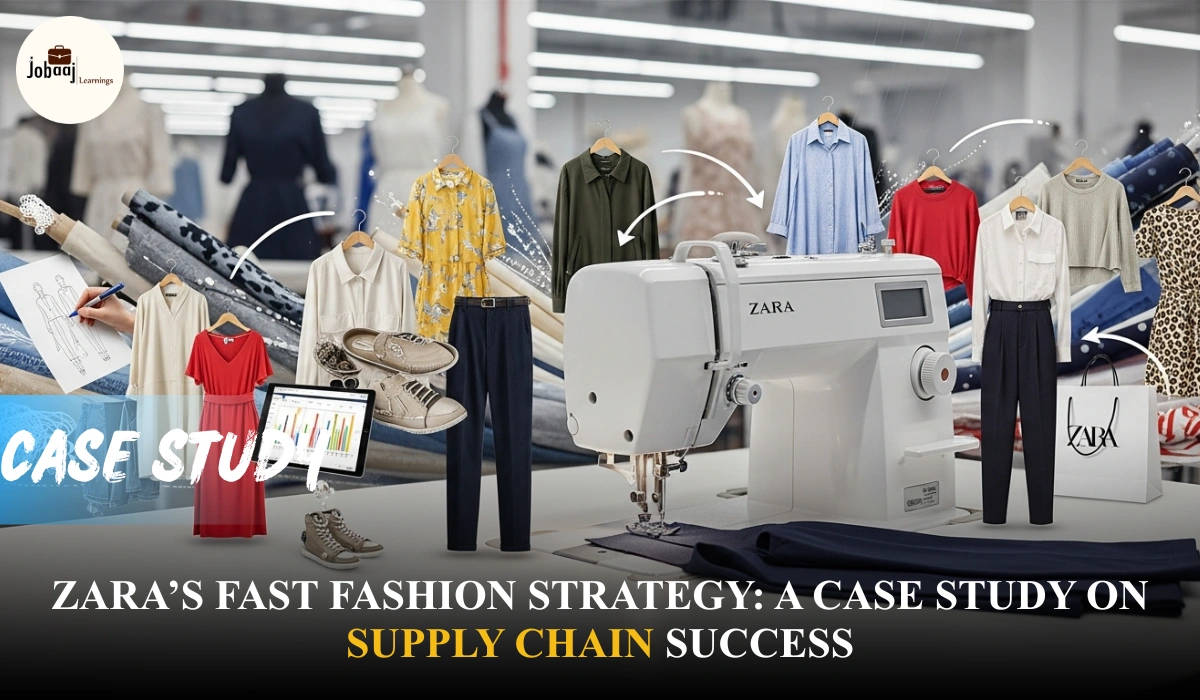
you’re walking down a busy shopping street, and you step into a trendy clothing store. Everything you see is fashionable, fresh, and exactly what you’ve been wanting to wear this season. But what if I told you that these designs were produced just a few weeks ago? That’s the power of Zara’s fast fashion strategy, which has completely redefined the clothing retail market. Zara has created a system that delivers new designs to stores in a matter of weeks, ensuring that its customers always have access to the latest trends.
Zara’s model is the blueprint for fast fashion, making it an industry leader in adapting to the changing world of fashion. But how did Zara make this strategy work? Let’s dive into the innovative supply chain and business model that helped Zara become one of the world’s most successful fashion brands.
The Problem
As the fashion world rapidly evolved, consumers’ expectations also shifted. The traditional fashion model, where clothes were designed months in advance and then shipped out to stores, started to feel slow and outdated. By the time clothing arrived in stores, the trends were already changing.
For a brand to remain relevant in such a fast-moving industry, it needed to do more than just follow trends—it had to anticipate and respond quickly to the ever-evolving tastes of consumers. This was the problem Zara set out to solve.
-
Slow Fashion Cycle: Traditional fashion cycles took months, leading to missed opportunities for the hottest trends.
-
Excess Inventory: Fashion retailers were left with too much inventory that didn’t sell as expected.
-
Changing Consumer Demands: People began to expect new styles and fresh looks to appear faster than ever before.
Zara needed a way to produce and distribute new styles that matched customer preferences in near real-time.
Strategy
Zara developed a business model centered around speed, efficiency, and real-time responsiveness to customer demand. Here’s how they made it work:
1. Integrated Supply Chain:
Unlike many competitors, Zara controls a large portion of its manufacturing and distribution processes. It has a mix of in-house production and local suppliers to ensure quick turnaround times for new designs.
- Speed: Zara can design, produce, and ship new clothes to stores in as little as two weeks, a far cry from the months it would take other brands.
- Flexibility: By maintaining flexibility in its production process, Zara can quickly change designs based on consumer feedback or emerging trends.
2. Real-Time Data & Trendspotting:
Zara has a strong focus on collecting real-time data from its stores. Sales associates track customer preferences, what’s being purchased, and which items are most popular, giving the company valuable insights into what customers want.
-
Feedback Loops: This data is immediately sent to designers and managers in headquarters, where they use it to adjust product lines or create entirely new designs.
-
Trendspotting: Instead of relying on runway shows months in advance, Zara watches street trends, social media, and global fashion shifts to adjust their inventory accordingly.
3. Limited Production Runs:
Zara produces limited quantities of each style. This creates a sense of urgency for customers to buy items quickly before they sell out, which boosts sales and reduces unsold inventory.
-
Scarcity Creates Demand: Shoppers know that if they don’t grab a piece now, it might not be available later, creating a feeling of exclusivity and driving quick purchases.
-
Low Stock Levels: Zara keeps production volumes limited to avoid the issue of excess stock, a common problem in traditional fashion retail.
4. Global Network with Local Adaptation:
Zara’s stores around the world are adapted to local tastes, even though the company has a global presence. Each store is carefully curated based on what customers in that region prefer, ensuring that inventory is in line with demand.
-
Local Market Research: Zara uses its global presence to understand cultural preferences and tailor the collections accordingly, making sure that styles resonate with each market.
-
Rapid Distribution: Zara’s distribution system is incredibly quick. Clothing from its Spanish headquarters is sent to its stores around the world within 24-48 hours, keeping the stores stocked with fresh, new items regularly.
Findings
Zara’s fast fashion strategy has delivered incredible results over the years. It has allowed the brand to stay ahead of trends, react to changing market demands, and outperform competitors who take months to produce and distribute new collections. Here’s what we found:
-
Quick Response to Market Demands: Zara’s ability to introduce new collections based on the latest trends and consumer feedback within a short period of time has created a dynamic cycle that keeps customers coming back.
-
High Profit Margins: By maintaining quick inventory turnover and reducing the need for markdowns, Zara manages to achieve high profit margins on its products.
-
Reduced Risk of Overproduction: Zara’s model of limited production and small batches means the company avoids the risk of overproducing and ending up with unsold stock, a common issue for many fashion retailers.
Results
Zara’s approach has delivered significant success, both in terms of financial performance and customer loyalty. Below are the results of Zara’s fast fashion strategy:
-
Revenue Growth: Zara’s parent company, Inditex, has seen consistent revenue growth year after year, with billions in annual sales, making Zara one of the world’s most profitable fashion brands.
-
Customer Loyalty: Zara has built a loyal customer base that appreciates the freshness and exclusivity of its offerings. With new designs hitting stores regularly, shoppers know there’s always something new to discover.
-
Market Dominance: Zara has expanded rapidly across the globe and is one of the most recognized names in fashion. The brand’s ability to quickly adapt to local markets while maintaining global consistency has been key to its success.
-
Efficient Supply Chain: Zara’s efficient and flexible supply chain has allowed the company to stay ahead of competitors who struggle with longer production times and slow response to market changes.
Lessons Learned
Zara’s fast fashion success offers several valuable lessons that other businesses can apply:
-
Speed is Key: Being able to quickly respond to changes in customer preferences and market trends is crucial for staying competitive.
-
Adaptability: Companies need to be flexible and open to real-time adjustments, whether it’s in product offerings, supply chain logistics, or marketing strategies.
-
Data-Driven Decisions: The use of data to inform business decisions ensures that products meet customer demand while reducing the risk of overproduction and waste.
-
Global Presence, Local Insights: Having a global brand is important, but understanding local markets and tailoring offerings accordingly can help a brand win over diverse customer bases.
-
Scarcity Drives Demand: Limited product runs create a sense of urgency that encourages customers to buy quickly, increasing sales and brand exclusivity.
Conclusion
Zara’s success in the fast fashion industry proves that speed, efficiency, and consumer-focused innovation are vital in today’s fast-paced business environment. The company has built a reputation not just for producing trendy, affordable fashion, but for doing so faster and more efficiently than anyone else.
By rethinking traditional supply chain processes and integrating real-time consumer feedback, data-driven forecasting, and local market adaptation, Zara has cemented its place as a leader in the fashion industry. For businesses looking to stay ahead of the curve, Zara’s model offers key insights into the power of fast, flexible, and data-informed decision-making.
Could you solve it?
Think you can last in the competitive world of Product Management?? No?
Don't worry. Click on the link to join hundreds of other people who aspire to be Product Managers. With professional instructors working in the industry, you will be able to learn how the competitive world of Product Management works and increase your chances of getting recruited as one!
Join our latest cohort NOW!!
[Disclaimer: This case study is entirely hypothetical and unrelated to real-world situations. It's designed for educational purposes to illustrate theoretical concepts and potential scenarios within a given context. Any similarities to actual events or individuals are purely coincidental.]





