Categories








































Imagine this: You’ve just launched your brand-new marketing campaign and are watching it unfold in real-time. The excitement is palpable, but there’s one question on your mind: What sets your campaign apart from the millions of others that fill our screens daily? The digital marketing landscape is constantly evolving, and it’s easy to get lost in the noise. But every so often, a campaign comes along that not only gets people talking but also redefines the approach to marketing entirely.
Exploring a career in Performance Marketing? Apply Now!
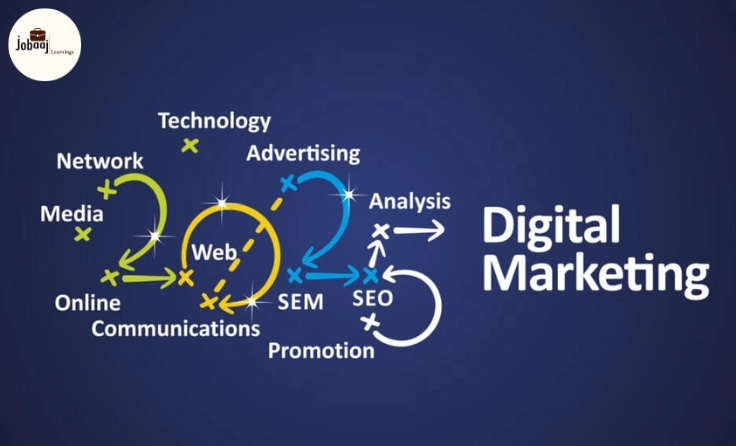
In 2026, digital marketing has taken on new dimensions, with more brands leveraging cutting-edge technology, data, and creative strategies. From influencer marketing and AI to immersive experiences and hyper-targeted ads, companies are exploring innovative ways to connect with their audiences. In this blog, we’ll look at 10 game-changing digital marketing case studies that have set new standards in the industry, demonstrating creativity, data-driven strategies, and impressive results.
1. Coca-Cola’s AI-Powered Personalized Advertising
Coca-Cola took personalization to a whole new level in 2026 by integrating AI into its advertising campaigns. Using machine learning algorithms, the brand delivered personalized advertisements to customers based on their behavior, preferences, and even past purchases.
By collecting and analyzing customer data, Coca-Cola tailored its messaging to resonate with each individual. For example, someone who regularly purchased Coca-Cola might see ads featuring new flavors or special offers. The personalized approach increased engagement significantly, contributing to a 15% rise in sales.
2. Nike’s Sustainability Marketing Campaign
Nike’s campaign focused on sustainability in 2026 showcased its commitment to environmental responsibility. The brand leveraged social media platforms, influencers, and educational content to promote eco-friendly products and raise awareness about sustainability issues.
The campaign included high-profile collaborations with eco-conscious influencers and a content series highlighting Nike's sustainable production processes. This not only drove traffic to Nike’s website but also boosted engagement by 20% across social media platforms, demonstrating how aligning with global issues can drive both awareness and revenue.
3. Starbucks’ Gamified Loyalty Program
Starbucks revolutionized its loyalty program in 2026 by adding gamification features. The Starbucks app now includes challenges and rewards for completing tasks like purchasing from specific locations or trying new drinks, making the loyalty program more engaging for users.
The gamification added an element of fun, encouraging customers to return more frequently to earn points and unlock rewards. As a result, the Starbucks app saw a 25% increase in daily active users and customer retention grew by 10%.
4. Spotify’s Personalized Playlists Campaign
Spotify's data-driven approach to personalized playlists has always been a core part of their offering. In 2026, Spotify took it a step further by integrating user behavior from social media and personal listening habits to create even more tailored music suggestions.
Spotify used social listening data, customer reviews, and music preferences to create highly personalized playlists for each user, leading to a 30% increase in daily active users. By focusing on user-centric content, Spotify was able to engage its audience on a deeper level, further cementing its place as the go-to platform for music discovery.
5. Airbnb’s Influencer-Led Social Media Campaign
Airbnb took influencer marketing to the next level in 2026 by partnering with micro-influencers across various social media platforms. These influencers were tasked with showcasing unique Airbnb properties around the world, creating authentic content that resonated with their followers.
Influencers shared personal experiences staying in one-of-a-kind properties, from cozy mountain cabins to luxurious beachfront villas. This strategy resulted in Airbnb reaching millions of new potential customers and increasing bookings by 18%. By tapping into niche audiences, Airbnb demonstrated the power of influencer marketing to drive conversions.
6. Amazon’s Voice Search Optimization Campaign
With the growing trend of voice-activated devices like Alexa, Amazon optimized its digital marketing campaigns to include voice search. Amazon promoted its products through voice-activated ads and integrated its shopping experience with smart home devices.
Amazon’s voice search optimization strategy resulted in a 20% increase in voice-assisted purchases. By adapting to the emerging voice search trend, Amazon was able to stay ahead of its competition in the digital marketplace.
7. H&M’s Augmented Reality Shopping Experience
H&M leveraged augmented reality (AR) to enhance its online and in-store shopping experiences. With their AR app, customers could virtually try on clothes and see how they would look before making a purchase, without ever having to step into a fitting room.
The AR feature was a hit, boosting conversion rates and significantly reducing product returns. H&M saw a 30% increase in online sales after launching the AR shopping feature, proving that interactive and immersive experiences can drive engagement and sales.
8. Tesla’s Social Media-Driven Product Launch
Tesla’s 2026 product launch was different from the traditional methods. Elon Musk’s active engagement on Twitter, combined with Tesla’s social media strategy, created buzz and excitement even before the product was officially unveiled.
Through frequent teasers, behind-the-scenes content, and direct interactions with followers, Tesla managed to generate substantial pre-launch interest. This resulted in a 40% increase in pre-orders for Tesla’s latest model, showcasing the impact of leveraging social media and community engagement for product launches.
9. McDonald’s Hyperlocal Targeting Campaign
McDonald’s took digital advertising to new heights by incorporating hyperlocal targeting. Using geolocation data, McDonald’s served personalized ads to customers based on their location, highlighting nearby stores and location-specific offers.
By sending ads that were highly relevant to the customer’s current location, McDonald’s saw a 35% increase in foot traffic. This approach highlighted the importance of understanding consumer behavior and offering personalized promotions at the right time.
10. Apple’s Exclusive Event-Driven Digital Marketing
Apple’s product launches have always been high-profile events, but in 2026, the company integrated exclusive digital content and live streaming into their marketing strategy. By creating a sense of exclusivity and urgency around their product reveals, Apple generated excitement and anticipation ahead of their events.
Apple’s digital marketing efforts included exclusive content for early adopters and live streaming of product launches. This strategy contributed to a 25% increase in product pre-orders and a massive buzz on social media, proving that exclusivity and anticipation can be powerful tools in marketing.
Conclusion: The Power of Innovation in Digital Marketing
These 10 game-changing digital marketing case studies show how innovation, data-driven strategies, and creativity can transform campaigns and drive remarkable results. Whether it’s through personalized experiences, AI-driven advertising, or the power of influencers, brands are continuously finding new ways to connect with their audience and elevate their marketing efforts.
As we move further into 2026, it’s clear that digital marketing will continue to evolve. Staying ahead of the curve and adopting new technologies and strategies will be essential for businesses to stand out in a crowded digital space.
Dreaming of a Performance Marketing Career? Start with Performance Marketing Certificate with Jobaaj Learnings.
Frequently asked questions
What are the best digital marketing case studies in 2026?
Some of the best digital marketing case studies in 2026 include Coca-Cola’s AI-driven personalized marketing, Nike’s sustainability campaign, and Airbnb’s influencer-driven promotions.
How did Nike’s sustainability campaign succeed?
Nike’s sustainability campaign resonated with eco-conscious consumers, driving both brand awareness and increased sales through influencer collaborations and educational content.
How did Starbucks enhance its customer loyalty program?
Starbucks used gamification in its loyalty program, which increased customer engagement and retention by offering rewards and challenges through the app.
Why is AI important in digital marketing?
AI allows brands to create more personalized experiences for customers, automate tasks, and gain insights from customer data to drive better marketing decisions.
How did Tesla leverage social media for product launches?
Tesla used Elon Musk’s active engagement on Twitter and other platforms, generating excitement and anticipation before the official product launch, resulting in increased pre-orders.
What is hyperlocal targeting in marketing?
Hyperlocal targeting involves delivering personalized advertisements to customers based on their geographic location, ensuring the relevance of promotions and offers.

Join 5,00,000+ Subscribers
Be a part of our ever growing community.