Categories








































25 Most Common Interview Questions for Executive Assistants at General Electric

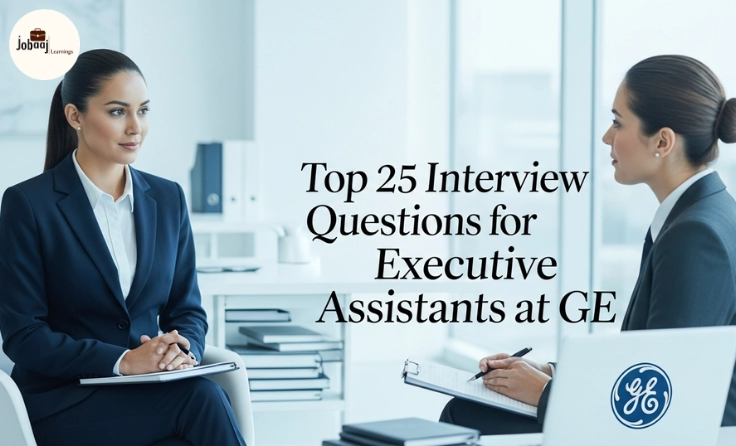
Securing an Executive Assistant role at a prestigious company like General Electric is no easy task. It demands an exceptional set of skills, from impeccable organizational abilities to advanced communication and technical expertise. Beyond these skills, understanding the core values of General Electric and how the role aligns with your aspirations is essential to making a strong impression. If you're preparing for this role, it’s crucial to anticipate the types of questions that may come your way during the interview.
In this guide, we will walk through the 25 most common interview questions for the Executive Assistant position at General Electric. Whether you're applying for the role or just curious about the process, this blog will serve as a roadmap, helping you prepare effectively for your interview. With the right approach, you’ll be ready to showcase your skills, highlight your experience, and demonstrate your value as an essential member of the executive team.
1. Tell me about yourself and your background.
The very first question most interviewers ask, "Tell me about yourself," is your opportunity to introduce yourself professionally. Focus on how your previous experiences and relevant skills have shaped you into the ideal candidate for the executive assistant role. Briefly describe your background, highlighting your strengths in organization, communication, and time management—all essential skills for this position. Make sure to mention how your background aligns with General Electric’s values and mission, demonstrating your genuine interest in working with such a renowned company.
2. Why do you want to work as an Executive Assistant at General Electric?
This question is aimed at understanding your motivations and why you’ve chosen General Electric specifically. GE is a leader in the technology and manufacturing industries, known for its innovation and work culture. Express your excitement about contributing to GE’s leadership team and how the company’s reputation for excellence and its global impact have inspired you to apply. Be honest about your desire to be part of such a dynamic organization and show that you’ve researched the company’s mission and values.
3. How do you prioritize tasks when managing multiple deadlines?
As an Executive Assistant, prioritizing tasks is a daily responsibility. Talk about how you manage competing deadlines by using systems such as to-do lists, calendars, or task management tools (e.g., Trello, Asana, Google Calendar). Provide examples from your previous experiences where you had to manage multiple tasks and decide what to tackle first, ensuring that important deadlines are met without compromising the quality of work.
4. Describe a time when you had to handle a difficult situation at work.
In every job, there are challenging situations. Employers want to know how you handle stressful situations while maintaining professionalism. Share an example where you had to navigate through a challenging scenario, such as a tight deadline, competing priorities, or even a difficult client. Explain how you kept a calm demeanor, communicated effectively, and ensured that the outcome was positive. This will demonstrate your problem-solving skills and your ability to stay composed under pressure.
5. How do you ensure confidentiality and trust in your work?
As an Executive Assistant, confidentiality is a key aspect of your role. You will often deal with sensitive information and important company documents. In your answer, discuss how you manage confidential materials, ensure secure document storage, and build trust with executives by demonstrating your ability to handle information responsibly. Give examples where you’ve been trusted with confidential matters and how you ensured privacy through secure digital tools and physical protocols.
6. How do you manage an executive's calendar and appointments?
Managing an executive’s calendar is central to your role. Describe the systems you use to organize appointments, handle last-minute changes, and ensure that your executive’s time is managed effectively. Mention tools you use, like Google Calendar, Outlook, or any calendar management software, and talk about how you keep appointments well-organized, while also leaving room for flexibility. Explain how you prioritize meetings based on importance and urgency, ensuring that everything runs smoothly without any scheduling conflicts.
7. Can you give an example of how you’ve managed travel arrangements?
Travel planning is another key responsibility for an Executive Assistant. Talk about a time when you organized travel logistics for an executive, including flights, hotels, and ground transportation. Share how you handled last-minute changes or unexpected issues during the trip, ensuring everything ran smoothly. Mention any tools or systems you use to track travel itineraries and manage expenses.
8. What strategies do you use to stay organized and manage multiple projects at once?
As an Executive Assistant, organization is essential, especially when juggling various projects simultaneously. Share your strategies for staying organized, such as using task management tools like Asana, Trello, or simple methods like color-coded calendars. Talk about how you prioritize tasks, set clear deadlines, and create workflows that keep everything running on time. Give examples where your organizational skills allowed you to successfully manage multiple projects without missing any deadlines.
9. How do you handle communication between executives and their team members?
Clear and efficient communication is a critical part of your role. Explain how you facilitate communication between the executives and their teams, ensuring that important messages are delivered accurately and on time. Share examples of how you’ve helped resolve miscommunications or acted as a liaison to ensure that everyone is aligned on the team’s goals and expectations.
10. How do you handle conflicts between team members or executives?
Conflict resolution is another important skill for an Executive Assistant. Share a scenario where you helped resolve a conflict, either between colleagues or within a team. Explain how you facilitated open communication, helped each party understand the other’s perspective, and maintained professionalism to resolve the issue smoothly.
11. What experience do you have with office software and technology?
As an Executive Assistant, proficiency in office software and technology is essential. Talk about your experience with Microsoft Office Suite, Google Workspace, or other productivity tools like Slack or Zoom. Discuss any other software you’ve used for project management, document storage, or communications, and how you’ve leveraged these tools to improve efficiency and workflow.
12. Describe a time when you had to adapt to a new work environment or technology.
Flexibility is a key trait for any Executive Assistant. Share a time when you had to quickly adapt to a new technology or work environment, whether it was adjusting to a new software, working with a new team, or implementing a new office procedure. Explain how you handled the change, learned the necessary tools, and continued performing at a high level.
13. How do you manage confidential and sensitive documents?
Handling confidential documents is a critical responsibility. Discuss how you manage and store sensitive information, whether it’s in physical form or digital. Talk about security measures you’ve used in the past, such as password protection, secure cloud storage, and ensuring that sensitive data is only accessible to authorized personnel.
14. What is your approach to managing an executive’s emails?
Email management is a huge part of an executive assistant’s job. Explain how you manage an executive’s inbox, prioritize important emails, and ensure that messages requiring attention are handled promptly. Discuss tools you use to organize emails and automate responses, if applicable, and share your approach to keeping the inbox manageable and focused on high-priority communications.
15. How do you handle changes in a schedule at the last minute?
As an Executive Assistant, last-minute changes are inevitable. Share how you handle situations where appointments or meetings change unexpectedly. Discuss how you stay flexible, quickly adjust the schedule, and communicate the changes effectively to all parties involved.
16. What motivates you to excel in the role of an Executive Assistant?
Employers want to understand your motivations and why you’re passionate about the role. Explain how you find satisfaction in supporting executives, organizing operations, and keeping everything running smoothly. Share your enthusiasm for the behind-the-scenes work that helps the executive focus on high-level strategic initiatives.
17. How do you handle competing demands from multiple executives?
If you support more than one executive, managing competing demands is a skill you’ll need. Talk about how you prioritize tasks, communicate with multiple executives, and ensure that each one’s needs are met without compromising your efficiency or the quality of your work.
18. Can you describe a time when you had to manage a project from start to finish?
Provide an example of a project you managed from beginning to end. Discuss your project management skills, how you set goals and deadlines, and the steps you took to ensure the project was completed successfully. Highlight your ability to stay organized, coordinate with team members, and deliver results.
19. How do you stay up to date with industry trends and best practices?
Keeping up with industry trends and best practices is essential for professional growth. Mention how you stay informed about new tools, software, and trends in the executive assistance field by attending webinars, reading articles, or joining professional organizations.
20. What’s your approach to working with external stakeholders and clients?
As an executive assistant, you may need to communicate with clients and stakeholders. Explain how you build relationships with external partners, maintain professionalism, and ensure effective communication between the executive team and stakeholders.
21. Describe how you handle stress and tight deadlines.
Stress is inevitable, especially when working with tight deadlines. Explain your approach to managing stress, staying calm, and ensuring deadlines are met. Share strategies you use to stay organized and focused under pressure.
22. How do you ensure that executive meetings run smoothly?
As an Executive Assistant, you’ll often coordinate meetings. Describe how you handle preparation, scheduling, and ensuring that the meeting runs smoothly. Talk about the role you play in ensuring timely follow-ups and action items are communicated effectively.
23. How do you prioritize tasks when everything feels urgent?
Describe how you handle competing demands and prioritize tasks when everything seems urgent. Share your decision-making process and how you ensure the most critical tasks are addressed first.
24. What do you think are the key qualities that make a successful Executive Assistant?
Identify the qualities you believe make an effective Executive Assistant, such as organization, problem-solving, communication, and adaptability. Discuss how these qualities align with your skills and experiences.
25. What are your long-term career goals, and how does this role fit into them?
Explain your career aspirations and how the Executive Assistant role at General Electric aligns with your long-term professional goals. Be honest about your ambitions, but also emphasize how this role offers the chance for growth and development.
Conclusion:
Interviews for an Executive Assistant role at General Electric can be challenging, but they also present a fantastic opportunity to showcase your skills, experience, and enthusiasm for the job. With these 25 common interview questions, you can better prepare yourself for the types of conversations you’ll have with your interviewers. By understanding these questions, preparing thoughtful answers, and aligning your strengths with the company’s needs, you’ll be well-positioned to succeed.
Frequently asked questions
What skills do I need to be successful as an Executive Assistant?
Executive Assistants need strong organizational skills, attention to detail, excellent communication abilities, and the ability to multitask. Being proactive and adaptable in fast-paced environments is also important.
How do I prepare for an Executive Assistant interview at General Electric?
Research General Electric’s values and business. Be prepared to discuss how your skills align with the job requirements and demonstrate your ability to manage tasks efficiently while supporting senior leadership.
What is the best way to answer “Tell me about yourself” in an Executive Assistant interview?
Focus on your relevant experience, skills, and accomplishments. Mention how your background has prepared you for the role and how your expertise aligns with the company’s needs.
How do I manage multiple executives with competing demands?
Prioritize tasks based on urgency and importance, and ensure clear communication with the executives regarding deadlines. Using task management tools can also help you stay organized.
What kind of questions should I ask in an Executive Assistant interview?
Ask about the company's work culture, the expectations for the role, how success is measured, and opportunities for professional development within the organization.
How can I handle confidential information in an Executive Assistant role?
Maintain confidentiality by securely storing documents, using encrypted communication, and ensuring sensitive information is shared only with authorized individuals.
Join 5,00,000+ Subscribers
Be a part of our ever growing community.