Categories








































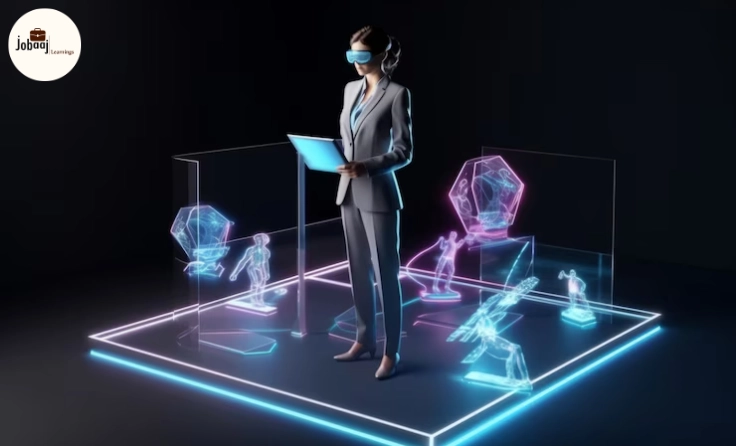
Picture this: a product manager walks into their office early in the morning. Instead of diving into stacks of paperwork or hopping on back-to-back meetings, they put on augmented reality (AR) glasses and are instantly immersed in their product’s virtual environment. With a simple swipe, they’re able to manipulate the product design, test out variations, and interact with a digital twin of the product—all in real-time.
Exploring a career in Product Management? Apply Now!
This may sound like something out of a sci-fi movie, but in 2025, technologies like AR, VR, and digital twins are not just transforming industries—they’re changing the way product managers work. The future of product management is in immersive experiences, allowing managers to design, test, and iterate products in ways previously thought impossible. Let's dive into how these cutting-edge technologies are redefining product development and shaping the next generation of product management.
What Are AR, VR, and Digital Twins?
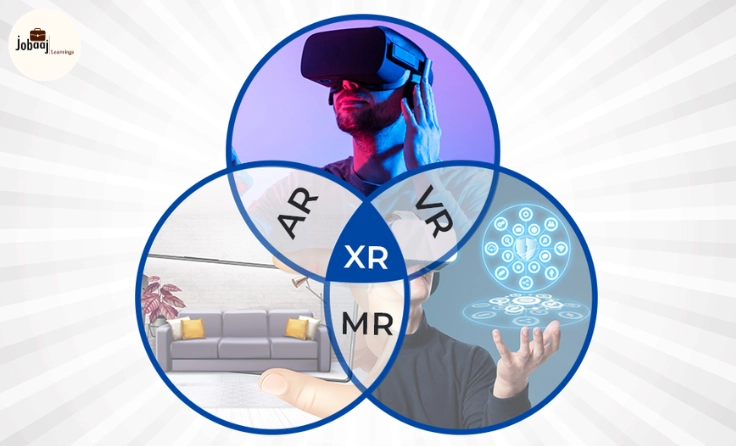
Before we dive into the practical applications, let's quickly break down what these technologies are and how they’re influencing the product management field:
-
Augmented Reality (AR): AR overlays digital elements onto the physical world. Through smart glasses or mobile apps, AR enhances real-world experiences with virtual objects or data, allowing users to interact with their surroundings in innovative ways.
-
Virtual Reality (VR): VR immerses users in completely digital environments. With the help of VR headsets, product managers can step into 3D worlds, experience prototypes, and visualize their products before they are even made.
-
Digital Twins: A digital twin is a virtual replica of a physical object, process, or system. Product managers use digital twins to simulate real-world conditions, predict performance, and analyze potential improvements.
The Power of AR, VR & Digital Twins in Product Management
These immersive technologies are changing the way product managers interact with the entire product lifecycle. From conceptualization to design, development, and testing, here’s how AR, VR, and digital twins are making waves:
1. Rapid Prototyping and Design Validation with VR
Imagine being able to create a product prototype and instantly experience it—no need for physical samples, no waiting for the manufacturing process. With VR, product managers can now step inside a virtual version of their product and assess its design, functionality, and user experience.
-
Quick Iterations: VR allows instant feedback on product designs, speeding up the iteration process.
-
User-Centered Design: Managers can simulate how real users will interact with the product, ensuring it meets customer needs before physical production begins.
2. Enhanced Decision Making Using Digital Twins
With digital twins, product managers can create virtual replicas of entire systems, machines, or even manufacturing processes. This allows them to:
-
Simulate Scenarios: Test the product’s performance under different conditions, like weather, usage frequency, or extreme conditions.
-
Real-Time Monitoring: By integrating data from real-world objects, product managers can make data-driven decisions that improve the product and its life cycle.
3. Immersive Customer Experience with AR
Imagine if customers could interact with a product before buying it—AR makes this possible. With AR, customers can visualize products in their homes or in the real world before making purchasing decisions. For product managers, this is a game-changer:
-
Real-Time Customer Feedback: AR allows customers to try products virtually and provide instant feedback on design and features.
-
Improved Engagement: By offering immersive, interactive experiences, AR enhances the customer journey and creates a more personalized, engaging shopping experience.
4. Testing and Refining Products in Virtual Environments
Testing a new product prototype can be expensive, time-consuming, and sometimes ineffective. By using VR and digital twins, product managers can test their products in virtual environments, saving both time and money:
-
Virtual Stress Tests: Simulate how products will react to stress, wear, and unforeseen circumstances, providing valuable insights before manufacturing.
-
Feedback Loops: Continuous testing and iteration can be done without the need for physical prototypes, accelerating the overall development process.
The Benefits of Integrating AR, VR, and Digital Twins into Product Management
Adopting these immersive technologies in product management offers various benefits:
-
Cost Efficiency: Testing, iterations, and modifications can be done virtually, reducing the costs associated with physical prototypes and long development cycles.
-
Faster Time to Market: By streamlining design and testing processes through virtual simulations, products can be developed and launched faster than ever.
-
Better Product Quality: Continuous real-time testing and customer feedback ensure that the final product is more refined and meets customer expectations.
Challenges and Considerations for Product Managers
Despite the impressive potential, integrating AR, VR, and digital twins into the product management workflow is not without its challenges:
-
Initial Investment: The cost of implementing these technologies, including hardware, software, and training, can be substantial.
-
Technology Adoption: Not all teams or stakeholders may be familiar with these technologies, making training and change management an essential part of the process.
-
Data Security: With digital twins, sensitive data about physical products and processes needs to be protected from cyber threats.
The Future of Product Management with Immersive Technology
As we move forward, AR, VR, and digital twins will only become more integrated into the product development process. The future of product management will likely see a greater reliance on virtual environments to design, test, and market products. From immersive customer experiences to real-time product simulations, the potential for innovation is vast.
For product managers, this is an exciting frontier. With the right strategies, tools, and knowledge, these technologies can help create products that are better designed, more functional, and more engaging than ever before.
Conclusion: Embracing the Future of Product Management
In 2025 and beyond, AR, VR, and digital twins will be key drivers of innovation in the field of product management. These technologies not only enhance the design and development process but also provide deeper insights, better collaboration, and a more personalized experience for customers. For product managers, embracing these tools is no longer just an option—it’s a necessity for staying ahead in a rapidly evolving market. The next frontier of product management is immersive, and those who adopt these technologies will lead the way into the future.
Dreaming of a Product Management Career? Start with Product Management Certificate with Jobaaj Learnings.
Frequently asked questions
How are AR and VR used in product management?
AR and VR are used to create virtual prototypes, allowing product managers to visualize, test, and iterate on designs before physical production. VR also enhances customer engagement and feedback.
What are digital twins, and how do they impact product management?
Digital twins are virtual replicas of physical products or systems. They allow product managers to simulate real-world conditions, test performance, and predict outcomes, improving decision-making and product quality.
How do AR and VR improve customer experiences?
AR allows customers to visualize products in their real-world environments before purchasing, while VR creates immersive experiences, helping customers engage with products in new ways.
What challenges do product managers face when adopting AR, VR, and digital twins?
The challenges include initial investment costs, the need for team training, and ensuring data security. However, the long-term benefits far outweigh these obstacles.
Are AR, VR, and digital twins the future of product management?
Yes, these technologies are transforming how products are designed, tested, and marketed. They provide valuable insights and enable faster, more efficient product development.
How can product managers start integrating these technologies into their workflows?
Product managers can start by experimenting with AR and VR tools for virtual prototypes and exploring digital twin solutions for simulation and testing. Training teams and investing in the right technology will be key steps in the process.

Join 5,00,000+ Subscribers
Be a part of our ever growing community.