Categories














/content/learnings/assets/header/ManagementConsulting.svg)
/content/learnings/assets/header/InvestmentBanking.svg)


























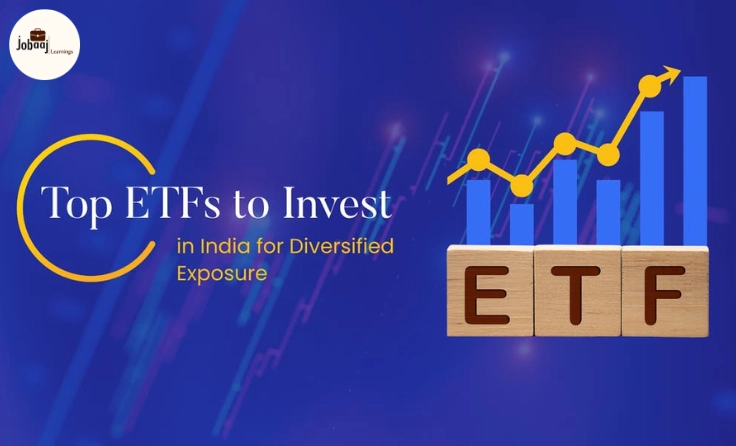
The year 2026 is right around the corner, and with it comes new opportunities, especially when it comes to investing. If you’ve been thinking about expanding your portfolio and considering ways to gain exposure to India’s growing economy, Exchange-Traded Funds (ETFs) could be exactly what you’re looking for. But how do you know which ETFs to choose? What factors should you consider before diving in?
Imagine you’re stepping into a new chapter of your financial journey—one where you can make smart, informed choices and let your investments grow over time. Whether you're a seasoned investor or just starting out, understanding how to pick the right ETFs can make a world of difference. In this guide, we’ll walk you through everything you need to know about ETFs in India for 2026, with practical steps, tips, and careful advice to help you invest wisely.
What Are ETFs and Why Should You Care?
First, let’s break down what ETFs are and why they’re worth considering. An Exchange-Traded Fund (ETF) is a type of investment fund that holds a basket of assets such as stocks, bonds, commodities, or even real estate. What makes ETFs so appealing is that they combine the best features of mutual funds and stocks. You get the diversification of mutual funds, but with the liquidity of stocks. You can buy and sell them throughout the day at market prices.
For example, an Nifty 50 ETF will track the performance of the Nifty 50 Index, which includes the 50 largest companies listed on India’s National Stock Exchange (NSE). By investing in the ETF, you indirectly invest in all 50 of those companies, which offers you broad exposure to the Indian economy with just one purchase.
Why should you care about ETFs?
ETFs are a low-cost and efficient way to invest in the stock market, particularly if you want exposure to a wide range of sectors or a specific market index without the risk of putting all your money into individual stocks. For 2026, ETFs will be a great way to align with the growth of India's economy—especially in sectors like technology, finance, renewable energy, and more.
Nifty 50 ETFs
The Nifty 50 ETF is probably the first thing that comes to mind when most people think about investing in Indian markets. It tracks the performance of the Nifty 50 Index, which represents the top 50 companies on the National Stock Exchange (NSE). You can think of it as a snapshot of India's economic strength, including heavyweights like Reliance Industries, Tata Consultancy Services (TCS), and HDFC Bank.
Why it’s a great investment:
This ETF offers broad exposure to India’s largest and most stable companies. If you’re looking for a relatively safe bet but still want to take advantage of India’s growing economy, the Nifty 50 ETF is a great option. It’s a low-cost, diversified way to tap into India’s high-growth potential. Historically, the performance of this ETF has mirrored the upward trajectory of the Indian economy. With the long-term growth prospects of India, it’s an investment that aligns perfectly with India’s rise on the global stage.
Nifty Next 50 ETFs
If you’re looking for something a little more adventurous than the blue-chip stocks of the Nifty 50, the Nifty Next 50 ETF could be the way to go. This ETF tracks the next 50 largest companies that are on track to join the Nifty 50 in the near future. These companies, while not yet giants, are full of potential, often in the mid-cap sector, and can offer higher returns with a bit more risk.
Why it’s a great investment:
The Nifty Next 50 ETF is ideal for those willing to take on a little more risk in exchange for the chance to make higher returns. You’re essentially getting in early on companies that may eventually be added to the Nifty 50. These emerging companies could be the future leaders of India's business landscape, which makes this ETF a fantastic choice if you’re looking for growth and exposure to exciting sectors.
Sensex ETFs
The Sensex ETF tracks the BSE Sensex Index, one of the oldest and most respected indices in India. The Sensex includes 30 of India’s largest and most influential companies like Infosys, Hindustan Unilever, and ICICI Bank. These companies have a strong legacy of stability and consistent growth.
Why it’s a great investment:
If you want to invest in India’s most well-established companies, the Sensex ETF is your go-to. It offers stability, steady growth, and reliable returns. As a barometer of India’s economy, the Sensex is often seen as a reflection of the country’s financial health. With more global investors showing interest in India, this ETF is well-positioned for long-term growth, making it a solid choice for conservative investors.
Banking Sector ETFs
India’s banking sector is the backbone of its financial system. With rising financial inclusion, a shift to digital banking, and increasing consumer credit, the sector is set to grow even further by 2026. A Banking Sector ETF gives you exposure to India’s largest banks and financial institutions, such as State Bank of India (SBI), HDFC Bank, and Axis Bank.
Why it’s a great investment:
If you believe in the continued growth of India’s financial infrastructure, this ETF is a good fit. The banking sector is expected to remain strong, and these banks are driving India’s digital revolution. Investing in this sector means betting on the country’s growing access to financial services. With long-term growth potential, this sector is likely to offer solid returns for years to come.
Gold ETFs
Gold has always been a safe haven during times of economic uncertainty. As India faces inflation and a volatile global market in the coming years, Gold ETFs will likely continue to be in high demand. A Gold ETF tracks the price of gold, allowing you to invest in this precious metal without needing to physically own it.
Why it’s a great investment:
Gold ETFs offer a great way to hedge against inflation and market volatility. When the global market faces uncertainty, gold has historically seen an increase in demand, making this a smart investment choice. It offers stability and security, especially when other markets are shaky. If you want a reliable asset in your portfolio that you can trade easily, gold ETFs provide an efficient solution.
Step-by-Step Guide to Choosing the Best ETFs in India for 2026
Now that we understand what ETFs are, let’s dive into choosing the right ones for your investment strategy in 2026. Here are some key steps and careful considerations to guide you along the way:
Step 1: Understand Your Investment Goals
Before you pick any ETF, ask yourself: What am I trying to achieve with this investment? Whether you're looking for long-term growth, short-term gains, dividends, or sector exposure, having a clear goal will help narrow down the options.
For example:
If you’re looking for broad market exposure, a broad index ETF like the Nifty 50 ETF may be a great choice.
If you’re interested in sectors like banking or renewable energy, you may want to explore sector-specific ETFs.
Understanding your risk tolerance is also crucial. Some ETFs, like those focused on mid-cap stocks or emerging industries, might be more volatile but offer higher growth potential. Others, like Nifty 50 ETFs, tend to be more stable but may not offer the same rapid growth.
Step 2: Research the Best ETFs Available in India for 2026
The ETF market in India is growing rapidly, and there are several good options to consider. Here are some of the best ETFs to watch in 2026:
-
Nifty 50 ETF
Why it’s a great choice: The Nifty 50 tracks India’s top 50 large-cap companies, offering diversified exposure to the nation’s economic leaders. It’s perfect for investors seeking stability and growth over the long term. -
Sensex ETF
Why it’s a great choice: The Sensex ETF tracks the BSE Sensex, which includes India’s 30 most influential companies. It’s an excellent option if you want to tap into India’s long-established giants, which have built a legacy of consistent performance. -
Nifty Next 50 ETF
Why it’s a great choice: This ETF tracks the next 50 companies after the Nifty 50, offering a higher growth potential. It’s ideal if you’re looking to invest early in companies that could become tomorrow’s leaders. -
Banking Sector ETF
Why it’s a great choice: India’s banking sector is expanding with the rise of digital banking and financial inclusion. This ETF gives you targeted exposure to India’s largest financial institutions, such as SBI, HDFC Bank, and Axis Bank. -
Gold ETFs
Why it’s a great choice: If you're concerned about market volatility or inflation, gold ETFs offer a stable hedge. They track the price of gold, allowing you to invest in the precious metal without owning physical gold.
Step 3: Evaluate the Costs and Fees
Like any investment, ETFs come with management fees and expense ratios. These costs can eat into your returns over time, so it’s important to evaluate the fee structure before making a decision.
Look for ETFs with low expense ratios if you’re aiming for long-term growth. Many index ETFs have low management fees because they track a market index passively, without the need for active management.
Additionally, check if the ETF has any transaction fees or brokerage costs associated with it. These fees might vary depending on the broker you use, so make sure to factor them in when comparing ETFs.
Step 4: Diversify Your Portfolio
One of the main benefits of ETFs is their ability to offer diversification in a single investment. But while ETFs themselves are already diversified, make sure your portfolio as a whole is well-balanced.
Don’t just rely on a single ETF. For example, you might combine:
A broad market ETF like Nifty 50 ETF to get exposure to India’s top companies
A sector-specific ETF like the Banking Sector ETF to capitalize on the growth of financial services
A Gold ETF for stability and protection against inflation
By mixing and matching, you can create a portfolio that balances growth potential and risk management, ensuring that you’re well-prepared for the ups and downs of the market.
Step 5: Keep an Eye on the Market and Rebalance Regularly
Investing is a long-term journey, but it’s important to keep an eye on your ETFs and the broader market. The economic landscape in India is expected to continue evolving, with emerging sectors like renewable energy and technology leading the charge.
Make sure to periodically review your portfolio and rebalance if necessary. For example, if one sector (like banking) outperforms the rest of your portfolio, you might decide to reallocate some funds into underperforming sectors or emerging opportunities.
Conclusion
In 2026, ETFs are a fantastic way to gain exposure to India’s growing economy. Whether you're new to investing or a seasoned pro, they offer low-cost, diversified, and liquid options to grow your wealth. From broad-market ETFs like the Nifty 50 ETF and Sensex ETF to sector-specific ETFs and gold-backed ETFs, the opportunities are vast.
By carefully selecting ETFs based on your investment goals, risk tolerance, and time horizon, you can build a well-rounded portfolio that not only thrives in 2026 but also sets you up for long-term financial success. Remember, the key to successful investing is diversification, research, and consistent evaluation—and ETFs are the perfect vehicle to take you on that journey.
Start with a clear goal, choose the right ETFs for your needs, and watch your investments work for you in the coming years. The future of investing in India is bright, and with ETFs, you can be part of it.
Frequently asked questions
What are ETFs and how do they work?
ETFs, or Exchange-Traded Funds, are investment funds that hold a basket of assets like stocks, bonds, or commodities. They combine the best features of mutual funds and stocks, offering diversification like mutual funds but with the liquidity of stocks, allowing you to buy and sell throughout the day at market prices.
Why should I invest in ETFs?
ETFs are an efficient way to invest in a wide range of sectors or market indices. They offer diversification, low-cost access to various asset classes, and flexibility. With ETFs, you can invest in multiple companies or sectors without the risks of investing in individual stocks, which makes them ideal for those looking to build a balanced and diversified portfolio.
What is the Nifty 50 ETF?
The Nifty 50 ETF tracks the performance of the Nifty 50 Index, which represents the 50 largest companies on the National Stock Exchange (NSE) in India. By investing in this ETF, you gain exposure to the leading companies driving India’s economic growth, making it a great option for stable, long-term investments.
What is the difference between Nifty 50 and Nifty Next 50 ETFs?
The Nifty 50 ETF tracks the top 50 largest companies in India, representing established blue-chip stocks. On the other hand, the Nifty Next 50 ETF tracks the next 50 largest companies, which have the potential to grow and join the Nifty 50 in the future. The Nifty Next 50 offers higher growth potential but comes with slightly more risk compared to the more stable Nifty 50.
How do I choose the best ETFs for my portfolio?
When choosing ETFs, first consider your investment goals, risk tolerance, and time horizon. Broad market ETFs like Nifty 50 ETFs offer stability, while sector-specific ETFs or emerging market ETFs may offer higher growth potential with slightly higher risk. Make sure to diversify your portfolio and evaluate the costs and fees associated with each ETF.
Are Gold ETFs a good investment?
Gold ETFs are an excellent way to hedge against inflation and market volatility. They allow you to invest in gold without physically holding it, offering liquidity and easy trading. Gold ETFs are a stable investment option, especially during times of economic uncertainty, making them a great addition to diversify your portfolio and protect your wealth.

Join 5,00,000+ Subscribers
Be a part of our ever growing community.