Categories














/content/learnings/assets/header/ManagementConsulting.svg)
/content/learnings/assets/header/InvestmentBanking.svg)



























In today’s digital world, blockchain technology has emerged as one of the most transformative innovations. Although it is often associated with cryptocurrencies like Bitcoin, blockchain goes far beyond digital currency. It is a secure, decentralized system for recording and verifying transactions, enabling trust and transparency across industries.
Exploring a career in Web Development? Apply now!
Businesses, governments, and individuals are increasingly exploring blockchain for applications such as supply chain management, secure contracts, digital identity, and transparent voting systems. Understanding blockchain is now essential for navigating the modern digital economy.
This guide explains what blockchain is, how it works, its components, types, applications, benefits, and limitations, all in approachable, easy-to-understand language.
What is Blockchain?
At its core, blockchain is a distributed, decentralized digital ledger that records transactions in chronological order across a network of computers (also called nodes).
Key characteristics:
- Decentralized: No single entity controls the ledger; multiple participants maintain copies.
- Immutable: Once a block is added, it cannot be altered without network consensus.
- Transparent: Transactions can be audited and verified by participants without relying on a central authority.
Think of blockchain as a digital notebook shared among thousands of people, where each page (block) contains verified information and links to the previous page, making it nearly impossible to tamper with.
How Blockchain Works: Step-by-Step
1. Transaction Initiation
A user initiates a transaction, such as sending cryptocurrency, signing a digital contract, or recording supply chain data. Transactions include details like sender, receiver, amount, and timestamp.
2. Verification by Network Nodes
The transaction is verified by network participants using consensus mechanisms:
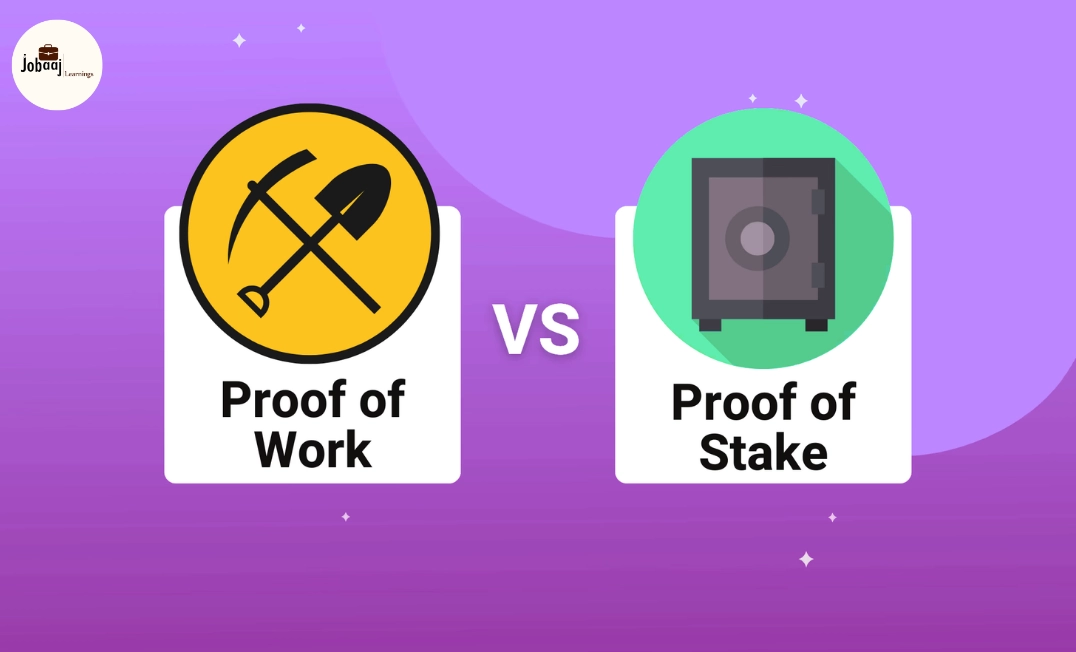
- Proof of Work (PoW): Nodes solve complex puzzles to validate a transaction (used in Bitcoin).
- Proof of Stake (PoS): Validators are selected based on their stake or investment in the network (used in Ethereum 2.0).
This ensures trust without a central authority.
3. Block Creation
Verified transactions are grouped into a block, which contains:
- A list of transactions
- Timestamp
- Unique hash (digital fingerprint)
- Hash of the previous block
This linking forms the “chain” in blockchain.
4. Adding the Block to the Chain
The block is added to the existing blockchain in chronological order, and all nodes update their copies. This maintains a consistent and secure ledger.
5. Transaction Completion
Once added, the transaction is permanent and visible to all participants, ensuring transparency and immutability.
Key Components of Blockchain
- Blocks: Containers for transaction data.
- Chain: Sequential linkage of blocks forming the ledger.
- Nodes: Computers that maintain copies of the blockchain.
- Hash: Cryptographic identifier for each block ensuring data integrity.
- Consensus Mechanisms: Protocols like PoW or PoS that validate transactions.
- Smart Contracts: Self-executing agreements stored on the blockchain.
Types of Blockchain
Blockchain can be categorized into four main types, each suited for different use cases:
1. Public Blockchain
Open to anyone; all participants can read, write, and verify transactions.
- Examples: Bitcoin, Ethereum.
- Use Cases: Cryptocurrencies, decentralized applications.
- Pros: Highly secure, transparent.
- Cons: Slower transaction speeds, high energy consumption.
2. Private Blockchain
Restricted access, controlled by a single organization.
- Examples: Hyperledger Fabric, R3 Corda.
- Use Cases: Internal corporate processes, confidential data.
- Pros: Faster, energy-efficient, privacy-controlled.
- Cons: Less transparent, more centralized.
3. Consortium Blockchain
Managed by a group of organizations sharing control.
- Examples: Cross-bank settlement networks.
- Use Cases: Banking, supply chain networks.
- Pros: Efficient, semi-transparent, collaborative.
- Cons: Requires trust among members.
4. Hybrid Blockchain
Combines public and private features.
- Examples: IBM Food Trust.
- Use Cases: Supply chains, healthcare with selective access.
- Pros: Flexible, balances transparency and privacy.
- Cons: Complex to design and implement.
Real-World Applications
Blockchain is widely used across industries:
- Cryptocurrency: Bitcoin, Ethereum, and other digital currencies.
- Supply Chain: Track products from origin to customer, reducing fraud.
- Example: Walmart uses blockchain to trace produce.
- Smart Contracts: Automatically execute contracts when conditions are met.
- Healthcare: Secure patient records and streamline data sharing.
- Voting Systems: Transparent, tamper-proof electronic voting.
- Digital Identity: Secure and verifiable digital IDs for individuals.
Benefits of Blockchain
- Security: Resistant to tampering and fraud.
- Transparency: All participants can verify transactions.
- Efficiency: Eliminates intermediaries, reduces manual processes.
- Cost Reduction: Saves money on transaction verification and reconciliation.
- Trust: Enables peer-to-peer transactions without central authorities.
- Traceability: Every transaction is recorded and auditable.
Challenges and Limitations
- Scalability: Large networks may slow down.
- Energy Consumption: Especially in Proof of Work systems.
- Regulation: Legal frameworks are still evolving.
- Integration Complexity: Adapting blockchain to existing systems can be expensive.
- Adoption: Requires organizational buy-in and technical expertise.
Conclusion
Blockchain is redefining digital trust, security, and transparency. Its applications extend far beyond cryptocurrency to supply chains, healthcare, governance, and enterprise systems. By understanding how blockchain works, its components, types, benefits, and limitations, businesses and professionals can leverage this technology to improve efficiency, security, and reliability in their operations.
Blockchain is not just a technology; it’s a new way to store, verify, and transfer value and information in a decentralized, trustless world.
Dreaming of a Web Development Career? Start with Web Development Certificate with Jobaaj Learnings.
Frequently asked questions
What is blockchain?
Blockchain is a distributed digital ledger that records transactions securely, transparently, and immutably across multiple participants without relying on a central authority.
How does blockchain work?
Transactions are verified by network nodes, bundled into blocks, and added to a chain. Each block contains a hash linking it to the previous block, making tampering nearly impossible.
What are the types of blockchain?
There are public blockchains (open to all), private blockchains (restricted access), consortium blockchains (shared by multiple organizations), and hybrid blockchains (combination of public and private).
What are the main benefits of blockchain?
Blockchain provides security, transparency, efficiency, cost reduction, and trust by enabling decentralized, tamper-proof transactions without intermediaries.
Where is blockchain used in real life?
Blockchain is used in cryptocurrencies, supply chain management, smart contracts, healthcare, voting systems, and digital identity management to enhance security and transparency.

Join 5,00,000+ Subscribers
Be a part of our ever growing community.
Related reads
Blockchain Technology Challenges and Limitations: 2026 Guide

Ensuring the Security of Blockchain Transactions: A Complete 2026 Guide