Categories









































Picture this: It's late at night, and you’re scrolling through your favorite online store, easily adding items to your cart. You think to yourself, "I can do this too. I can create an online store, just like this!" You know how to code, and you've always dreamed of developing something that people could use to purchase products with ease. Now, the question arises: where do you begin?
Exploring a career in Web Development? Apply now!
For many web developers, creating an e-commerce website is the perfect project to showcase their skills. Not only is it a challenge, but it also offers real-world learning opportunities. From designing sleek user interfaces to understanding the backend complexities of inventory management, building an e-commerce site will require you to work on a variety of crucial web development aspects. This blog will walk you through essential e-commerce website features, development tips, and inspiring project ideas to help you get started.
Key Elements of Building an E-Commerce Website
Building an e-commerce website goes beyond just putting together a shopping cart and a checkout page. There are many vital components you need to understand to ensure your website works flawlessly. Below are some of the most important elements:
1. User-Friendly Interface (UI/UX)
A user-friendly interface is the backbone of any great e-commerce website. Your design needs to be intuitive and easy to navigate, as users will quickly abandon sites that are difficult to use. The experience should be as seamless as possible — from browsing through products to completing the checkout process. A clutter-free layout with clear product categories, a fast search function, and easy-to-read fonts are essential for a smooth shopping experience. Don’t forget mobile optimization; with mobile shopping on the rise, your e-commerce site needs to be fully responsive.
2. Product Pages & Catalog
One of the most important aspects of any e-commerce website is the product catalog. This is where the bulk of the user’s interaction will take place. For each product, include high-quality images that show the product from multiple angles, detailed descriptions that highlight key features, and user reviews that provide social proof. A well-organized catalog, categorized into different groups (e.g., clothing, electronics, accessories), makes it easier for users to find what they are looking for.
Moreover, adding features like “related products” or “frequently bought together” can enhance cross-selling opportunities and increase average order value.
3. Shopping Cart & Checkout Process
Now that users are browsing your products, the next step is to make their purchasing journey as easy as possible. A clean and organized shopping cart is essential to let users quickly review their selections. A smooth and secure checkout process is equally important. Allow users to check out as guests or sign up for an account. Offering multiple payment methods (credit cards, digital wallets like PayPal or Google Pay) and ensuring the entire process is secure will reduce friction and prevent cart abandonment.
4. Payment Gateway Integration
Integrating a payment gateway allows your users to make purchases securely. Payment processors like PayPal, Stripe, and Square offer secure, easy-to-implement solutions. You'll also want to make sure your website complies with industry security standards, like SSL encryption, which ensures users' sensitive information (e.g., credit card numbers) is securely transmitted.
5. SEO Optimization
Having a great e-commerce website is only half the battle; getting people to visit is another. SEO (Search Engine Optimization) is critical to increasing organic traffic. By optimizing your product descriptions, images, URLs, and metadata, you can improve your site’s ranking on search engines like Google. Keywords related to your products or services need to be strategically incorporated across your site.
Web Developer Project Ideas for E-Commerce Websites
As a web developer, here are some ideas for creating innovative and interesting e-commerce websites. These project ideas can serve as excellent learning experiences while also helping you build a solid portfolio:
1. Single-Page E-Commerce Store
A single-page e-commerce store is a great project if you're looking for simplicity and efficiency. You could focus on a niche product or a limited collection, providing a streamlined shopping experience. The key challenge in this project is ensuring the page loads quickly and offers an intuitive user flow despite the simplicity of having everything on one page.
2. Multi-Vendor Marketplace
Think of a platform like Amazon or Etsy, where multiple vendors can sell their products. In this project, you would need to create an admin panel where vendors can upload and manage their products, track orders, and handle inventory. The complexity of managing multiple user roles (vendors, customers, admins) will teach you about database management and user authentication.
3. Subscription-Based E-Commerce Store
Subscription services, such as meal kits or beauty product boxes, are increasingly popular. For this project, you would develop a website where users can subscribe to receive items on a recurring basis. You’ll need to integrate recurring billing systems and manage customer subscriptions. This project will also give you experience with API integrations and managing user accounts.
4. E-Commerce with Dynamic Pricing & Discounts
Create an e-commerce website that integrates a dynamic pricing model, where product prices change based on factors such as inventory levels or time-sensitive discounts. This project would require you to implement algorithms that adjust prices in real time, adding complexity to your development skills.
5. Niche E-Commerce Store
Select a niche market—whether it’s for vintage clothing, rare books, or custom jewelry—and create a specialized e-commerce platform. This project allows you to focus on custom features tailored to a specific audience, from personalized product recommendations to specialized search filters. You’ll gain valuable experience working with a targeted demographic.
Tools and Technologies for E-Commerce Websites
When building an e-commerce website, the tools and technologies you choose can make a huge difference. Here are some of the most popular options for each aspect of development:
-
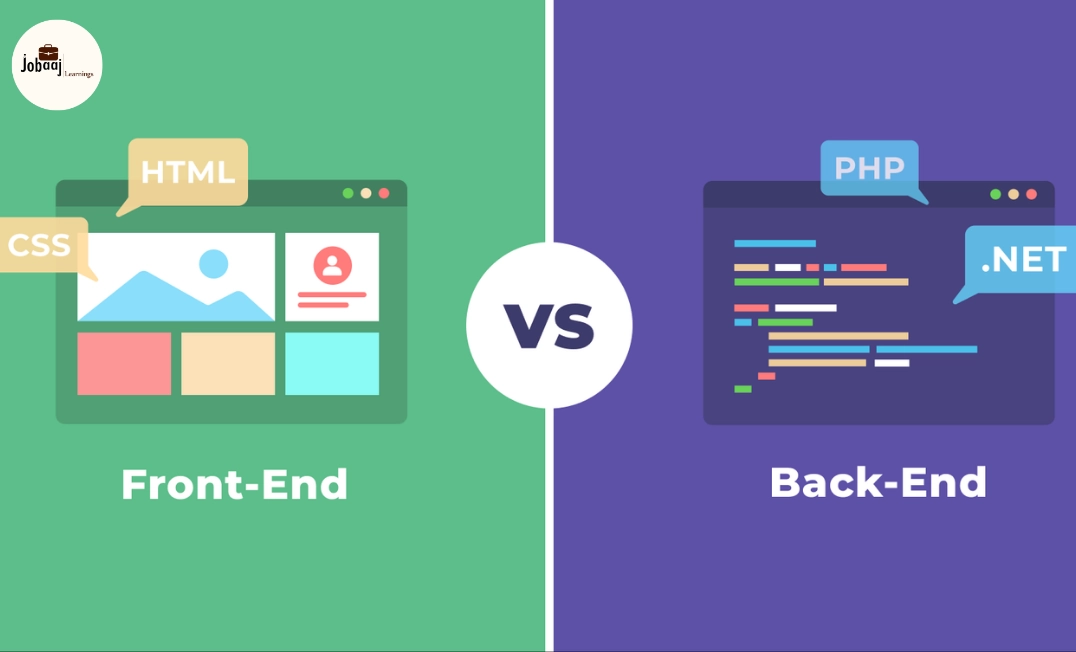
Frontend Development: HTML5, CSS3, JavaScript, React.js, Angular.js
-
Backend Development: Node.js, PHP, Python (Django), Ruby on Rails
-
Databases: MySQL, PostgreSQL, MongoDB
-
E-Commerce Platforms: Shopify, WooCommerce, Magento, BigCommerce
-
Payment Gateways: PayPal, Stripe, Square, Razorpay
These tools will help you build a reliable, scalable, and user-friendly e-commerce platform.
Conclusion
Creating an e-commerce website may seem overwhelming at first, but with the right tools and knowledge, you can develop an online store that serves as both a learning experience and a valuable portfolio piece. The e-commerce industry is booming, and as a web developer, you have the opportunity to create something truly impactful. By focusing on key aspects like user experience, responsive design, and payment gateway integration, you’ll be well on your way to creating an e-commerce website that delivers a smooth, secure shopping experience for users.
Each project you undertake will add valuable skills to your web development toolkit, so don’t hesitate to explore different ideas and expand your expertise. The world of online commerce is waiting for your contribution—so dive in and build something amazing!
Dreaming of a Web Development Career? Start with Web Development Certificate with Jobaaj Learnings.
Frequently asked questions
What are the essential features of an e-commerce website?
An e-commerce website needs several key features: product pages, a secure checkout process, a shopping cart, a payment gateway, and SEO optimization. It also needs to be mobile-friendly and user-friendly.
How can I make my e-commerce website mobile-friendly?
To make your e-commerce website mobile-friendly, use responsive web design. This ensures your website adapts to any screen size, offering a seamless experience on mobile devices.
Which is the best e-commerce platform for beginners?
Shopify and WooCommerce are great platforms for beginners. They offer user-friendly interfaces and plenty of resources to help you get started with your e-commerce website.
How do I optimize my e-commerce website for SEO?
Optimizing your website for SEO involves using relevant keywords in product descriptions, creating SEO-friendly URLs, and optimizing images. Don’t forget to add alt texts for images and meta descriptions for each page.
What payment gateways should I use for my e-commerce site?
Popular payment gateways include PayPal, Stripe, and Square. The best choice for your e-commerce site will depend on your location, business model, and customer preferences.
How can I ensure the security of my e-commerce website?
Use SSL encryption, integrate secure payment gateways, and regularly update your website to protect your e-commerce site from potential security threats. Regularly back up data and maintain your site’s software to ensure security.

Join 5,00,000+ Subscribers
Be a part of our ever growing community.