Categories














/content/learnings/assets/header/ManagementConsulting.svg)
/content/learnings/assets/header/InvestmentBanking.svg)


























Imagine being at home, completely out of groceries. Instead of making a dreaded trip to the store, you simply tap a few buttons on your phone—and before you know it, everything is delivered to your doorstep. Convenient, right? This isn’t just a vision of the future—it’s the reality that digital transformation can create.
One of the world’s largest FMCG (Fast-Moving Consumer Goods) brands partnered with McKinsey & Company to unlock this kind of transformation. But the story doesn’t just stop at tech success. It’s a story about people, consumer behavior, and how businesses can evolve faster than ever before to meet growing demands for convenience.
In a market that is increasingly driven by e-commerce and digital-first interactions, adapting to the changing landscape isn’t just an option—it’s a necessity. McKinsey’s involvement wasn’t just about rolling out new tools; it was about understanding how we shop, what we expect, and how those habits are shifting rapidly. With the right strategy and insights, digital transformation didn’t just mean change—it meant growth.
Exploring a career in Management Consulting? Apply Now!
Navigating the Digital Shift: A Complete Overhaul of Traditional Business Models
The FMCG company McKinsey worked with faced a problem many traditional businesses encounter today: the rise of e-commerce. The days of consumers walking into stores to buy their daily products were becoming a thing of the past. In a world where online shopping has skyrocketed, brands had to adapt or risk being left behind.
McKinsey didn’t just offer technology solutions—they analyzed the company’s existing processes in-depth. They looked beyond the surface-level challenges, pinpointing areas that needed strategic improvement to ensure long-term success. This wasn’t a typical quick-fix approach. It was more like renovating a house—they assessed the foundation, worked on the plumbing (supply chain and operations), and then considered the aesthetics (user experience and customer journey).
Key Steps in the Transformation:
Streamlining Operations: The company had established systems that worked—until they didn’t. McKinsey identified inefficiencies and created a more flexible, streamlined supply chain management system that could keep up with demand fluctuations.
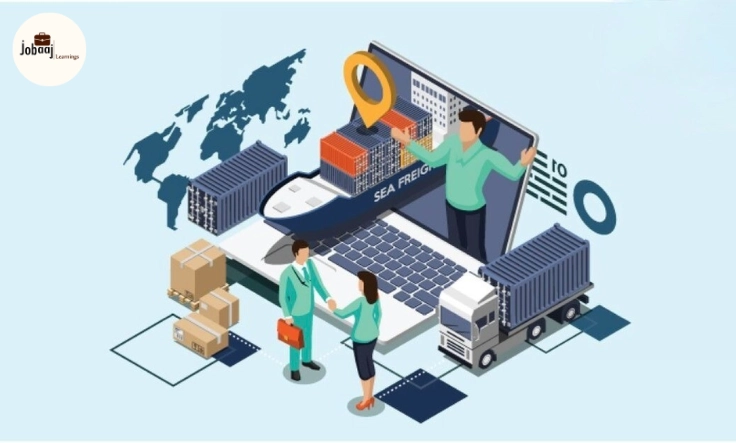
Improving Supply Chain Management: The traditional supply chain processes were optimized with real-time tracking, predictive forecasting, and better inventory management, which enabled faster response times.
Enhancing the Customer Experience: Through digital channels, the brand could offer seamless online shopping, faster delivery, and better engagement with customers. This approach drastically improved the way customers interacted with the brand.
Takeaway for Business Leaders:
Successful digital transformations aren’t about jumping on the latest tech trend. They’re about taking a holistic approach and assessing how technology can enhance all parts of your business—from supply chain to customer service.
A Personalized Customer Journey: The Power of Data and Analytics

One of the biggest challenges brands face today is personalization—providing a tailored, relevant experience for every individual customer. McKinsey’s strategy for the FMCG giant revolved around this core concept: understanding consumer behavior through data.
Using advanced data analytics, McKinsey helped the brand create personalized marketing campaigns based on individual preferences. This wasn’t just about sending mass emails with discounts; it was about truly understanding customer behavior, anticipating needs, and offering relevant product recommendations.
Imagine this: A customer logs into their shopping app and immediately sees recommended products based on their past purchases, browsing history, and even seasonal preferences. This level of personalization helped the company create a shopping experience that felt intuitive and thoughtful.
Moreover, McKinsey helped the company set up direct feedback loops where customers could easily provide input. This real-time feedback allowed the company to continuously refine their offerings, ensuring that they were always ahead of the curve and able to address any pain points quickly.
Takeaway for Product Managers:
Data-driven decision making isn’t just about collecting information—it’s about acting on it in a way that creates real, meaningful changes for the customer. By using data analytics to personalize the customer journey, brands can foster deeper connections and drive engagement.
Reaping the Rewards: From Increased Sales to Improved Customer Satisfaction
As the digital transformation took root, the results were immediate and measurable. The FMCG brand saw an increase in online sales, which directly correlated with an improved customer satisfaction rate. The personalized experiences and optimized supply chain ensured that products were always available when customers needed them, and at the right price.
But the most significant benefit came in the form of brand loyalty. The company’s customers were not just purchasing more; they were returning again and again because their needs were anticipated. As a result, customer retention rates soared, and the brand solidified its long-term market position.
Cost efficiencies from the streamlined operations further improved the company’s profit margins. With better demand forecasting, they reduced waste and could allocate resources more effectively. This ability to quickly adapt to market changes and customer demands helped the company stay agile in an ever-evolving market.
Takeaway for Businesses:
Digital transformation doesn’t just create short-term wins—it positions your company for sustained growth. Through improved operations, personalized customer journeys, and streamlined supply chains, businesses can ensure they stay competitive in the long run.
Conclusion: McKinsey’s Role in Revolutionizing the FMCG Giant
The success of McKinsey’s collaboration with this FMCG giant is proof that digital transformation isn’t just about adopting new technologies—it’s about understanding consumer needs and how businesses can adapt to meet those needs more efficiently. McKinsey helped the company rethink its approach to every aspect of its business, from supply chain logistics to customer relationships.
The results speak for themselves: increased sales, improved customer satisfaction, and reduced operational costs. For businesses in any sector, the lessons from this case are clear: embracing change, leveraging technology, and understanding your customers’ evolving behaviors can lead to remarkable results.
Dreaming of a Management Consulting Career? Start with Management Consulting Certificate with Jobaaj Learnings.
Frequently asked questions
What were the key challenges faced by the FMCG giant before the transformation?
The FMCG company faced challenges in supply chain inefficiencies, suboptimal customer experiences, and a lack of data-driven decision-making in their operations.
How did McKinsey's digital transformation strategy address these challenges?
McKinsey implemented digital solutions to streamline operations, personalize customer journeys, and leverage data analytics for better supply chain management and improved efficiency.
What specific technologies were implemented as part of the transformation?
While the case study doesn't detail specific technologies, the transformation likely involved data analytics platforms, CRM systems, supply chain management software, and potentially AI/ML solutions.
What were the measurable results of McKinsey's intervention?
The case study should highlight key performance indicators (KPIs) such as improved operational efficiency, reduced supply chain costs, increased customer satisfaction, and a higher return on investment (ROI).
What lessons can other FMCG companies learn from this case study?
This case study provides valuable insights into developing and implementing a successful digital transformation strategy for FMCG companies, focusing on data-driven decision making, customer-centricity, and supply chain optimization.

Join 5,00,000+ Subscribers
Be a part of our ever growing community.