Categories














/content/learnings/assets/header/ManagementConsulting.svg)
/content/learnings/assets/header/InvestmentBanking.svg)



























/content/learnings/assets/header/programs/1.png)
/content/learnings/assets/header/programs/4.png)

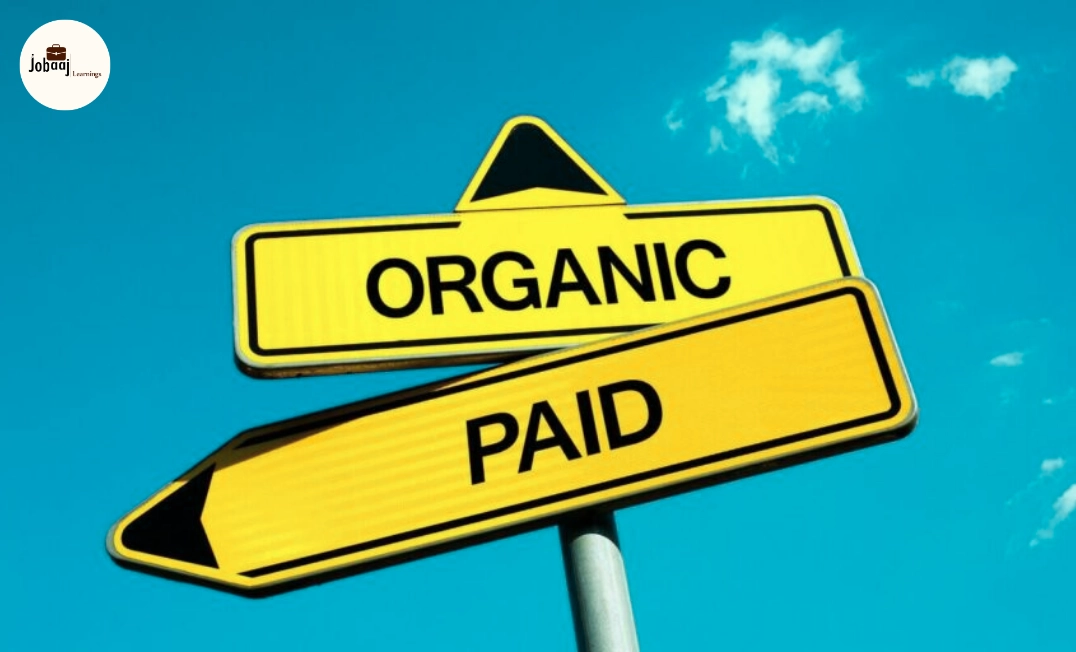
When you perform a Google search, you’ll likely see two types of results: organic and paid. At first glance, they may seem similar, as they both aim to answer your search query. However, these two types of results differ significantly in how they are obtained, how they work, and what their impact is on your digital marketing strategy.
Understanding the distinction between organic and paid search results is critical for any business or digital marketer who wants to drive traffic and increase visibility online. In this blog, we’ll dive deep into the differences between organic and paid search results, how they function, and why each plays an important role in search engine marketing.
What Are Organic Search Results?
Organic search results are the listings that appear on a search engine results page (SERP) due to their relevance to the search query, as determined by the search engine’s algorithm. These results are earned through SEO efforts and content optimization, meaning they aren’t paid for. When a user clicks on an organic result, the website owner doesn’t pay for that click it’s a free, organic visit.
How Are Organic Results Ranked?
Organic search rankings are determined by search engine algorithms that evaluate a website based on a variety of ranking factors, such as:
- Keyword relevance: How well the content aligns with the user’s search query.
- Backlinks: The number and quality of external sites linking to your content.
- Content quality: How well the content addresses the searcher’s intent and provides value.
- User experience (UX): How easy it is for users to navigate the website and interact with the content.
- Site speed: How fast the website loads, affecting the overall user experience.
SEO experts use these factors to optimize a site’s content and structure, aiming to improve the site’s chances of ranking higher in organic search results.
Pros of Organic Search Results:
- Long-Term Value: Once a website ranks well organically, it can continue to attract traffic without ongoing costs.
- Credibility: Organic results tend to earn more trust from users because they are seen as unbiased compared to paid advertisements.
- Higher Click-Through Rate (CTR): Users often prefer organic results because they are considered more natural and relevant.
Cons of Organic Search Results:
- Time-Consuming: Achieving top rankings through SEO can take time often months as it involves consistent efforts like creating valuable content, optimizing the site, and earning backlinks.
- Competition: For highly competitive keywords, it can be difficult to rank well organically, especially if you’re competing against larger brands.
What Are Paid Search Results?
Paid search results, also known as pay-per-click (PPC) ads, are the listings that appear on a search engine’s results page because an advertiser has paid to have their website appear for specific keywords. These ads are typically displayed at the top or bottom of the search results page, marked with a small "Ad" label, distinguishing them from organic listings.
How Are Paid Results Displayed?
Paid search results are displayed based on the keyword bidding process. Advertisers bid on specific keywords that they believe their target audience will search for. When a user types in a search query that matches an advertiser’s keyword, the search engine triggers the ad to be shown. Advertisers only pay when a user clicks on the ad (hence the term pay-per-click).
Pros of Paid Search Results:
- Immediate Results: Unlike organic search, which can take time to rank, paid ads deliver immediate visibility on search results.
- Targeted Audience: Paid ads allow you to target specific demographics, locations, devices, and even times of day to reach the most relevant audience.
- Flexibility and Control: Advertisers have control over their budget, ad copy, targeting criteria, and bid amounts, allowing them to manage campaigns more precisely.
Cons of Paid Search Results:
- Cost: Paid search campaigns require a budget, and the costs can add up, especially for competitive keywords. If your budget runs out, your ads will no longer appear.
- Short-Term Effect: Once the campaign ends, the ads stop appearing. Unlike organic results, paid ads do not provide long-lasting visibility after the campaign is over.
- Ad Fatigue: Over time, users may ignore paid ads, leading to diminishing returns.
The Key Differences Between Organic and Paid Search Results
1. Cost
- Organic Search: Free Achieving high organic rankings requires investment in SEO, but there are no direct costs per click.
- Paid Search: Costs money Advertisers must pay for every click their ad receives, and the cost per click can vary depending on the competitiveness of the keywords.
2. Time Frame
- Organic Search: It takes time. SEO is a long-term strategy that can take months to see significant results.
- Paid Search: Immediate. Ads appear on search results as soon as the campaign is live, making it ideal for short-term or urgent marketing needs.
3. Visibility and Trust
- Organic Search: Organic results generally appear more trustworthy to users because they’re not paid for. They are ranked based on relevance and quality.
- Paid Search: Paid ads are clearly labeled as ads, and some users may ignore them or view them as less trustworthy than organic listings.
4. Sustainability
- Organic Search: Once you rank well, it can provide sustained traffic without additional costs, provided you maintain your SEO efforts.
- Paid Search: Paid search provides temporary results. Once you stop paying for ads, they disappear from the search results.
Table Difference
|
Aspect |
Organic Search Results |
Paid Search Results |
|
Definition |
Listings that appear in search results based on SEO efforts and content relevance. |
Advertisements that appear on search results due to bidding on keywords. |
|
Cost |
Free, except for the investment in SEO efforts (time, resources). |
Pay-per-click (PPC), advertisers pay for each click on their ad. |
|
Visibility |
Ranks naturally due to content optimization, backlinks, and search engine algorithms. |
Advertisers bid to appear at the top or bottom of search results. |
|
Longevity |
Long-term visibility. Once ranking is achieved, it can continue driving traffic without ongoing costs. |
Short-term visibility. Ads stop when the campaign ends or budget is exhausted. |
|
Trust and Credibility |
Often considered more trustworthy because they are earned through SEO efforts. |
Perceived as less trustworthy since they are advertisements. |
|
Click-through Rate (CTR) |
Typically higher as users trust organic listings more. |
Lower CTR, as users tend to avoid ads. |
|
Ranking Factors |
Based on SEO strategies like keyword relevance, backlinks, and content quality. |
Based on keyword bids, ad quality, and relevance to the search query. |
|
Speed to Results |
Takes time (months) to rank well in organic results. |
Immediate visibility as soon as the ad is live. |
|
Sustainability |
Sustainable as long as SEO is maintained. |
Not sustainable. Once the ad spend stops, the ads disappear. |
|
Targeting |
No direct targeting. Rankings are based on overall site relevance to keywords. |
Precise targeting, allowing ads to reach specific demographics, locations, and devices. |
Which One is Better for Your Business?
Both organic and paid search have their place in a well-rounded digital marketing strategy. The best approach for your business depends on factors like your goals, budget, and time frame:
- Use SEO if you're focused on long-term growth, brand credibility, and cost-effective traffic generation.
- Use paid search if you need immediate visibility, are promoting a new product or service, or want to test a specific marketing campaign.
In most cases, businesses see the best results by using both strategies in tandem. SEO can build a strong foundation of organic traffic, while PPC ads can drive immediate traffic and help boost sales in the short term.
Conclusion
Understanding the difference between organic and paid search results is essential for businesses looking to maximize their online presence. Both methods serve unique purposes and offer distinct advantages, but the key is using them in a complementary way to ensure visibility, engagement, and conversion. Whether you're investing in SEO to build long-term organic traffic or running a PPC campaign to boost immediate results, mastering both strategies will help you achieve a successful digital marketing plan.
Frequently asked questions
What are organic search results?
Organic search results are the listings that appear in search engines due to their relevance to the search query. These results are earned through SEO efforts and are not paid for. The ranking is determined by factors like content relevance, backlinks, and user experience.
What are paid search results?
Paid search results, also known as pay-per-click (PPC) ads, are advertisements that appear on search engine results pages because an advertiser has paid to have their website shown for specific keywords. These results are clearly marked as "ads" and are based on a bidding system.
How do organic search results differ from paid search results?
The primary difference is that organic search results are earned through SEO strategies like optimizing content and obtaining backlinks, whereas paid search results are purchased by advertisers who bid on keywords. Organic results tend to be perceived as more credible, while paid results are quicker to implement but require ongoing investment.
Which is better for long-term success, organic or paid search?
Organic search is better for long-term, sustainable growth because it doesn’t require ongoing investment once you’ve achieved high rankings. However, paid search offers immediate visibility, making it ideal for short-term goals or when launching new products. Ideally, a combination of both is used for maximum effectiveness.
How can businesses use both organic and paid search strategies effectively?
Businesses can use paid search for immediate visibility and to drive traffic to new products or services, while organic search provides sustained visibility over time. Combining both strategies allows businesses to cover both short-term and long-term goals, enhancing their overall digital marketing efforts.

Join 5,00,000+ Subscribers
Be a part of our ever growing community.