Categories














/content/learnings/assets/header/ManagementConsulting.svg)
/content/learnings/assets/header/InvestmentBanking.svg)

























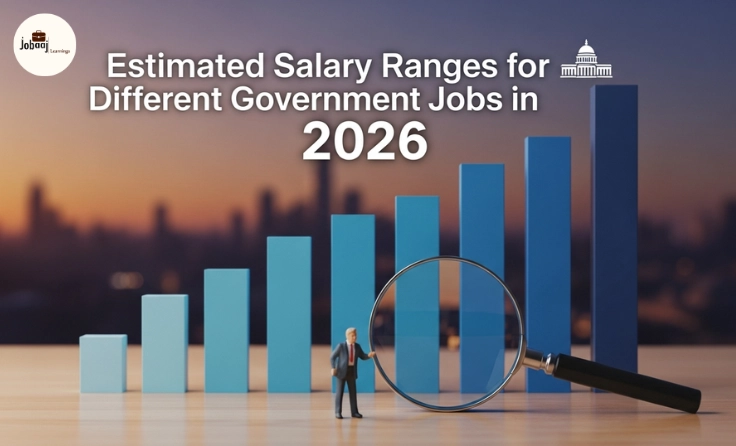
As we look ahead to the future, it’s important to understand how salary expectations are evolving for government positions. With inflation, changes in the job market, and increasing demand for skilled workers, the salary landscape for government jobs in 2026 is likely to be influenced by several factors. In this blog, we’ll break down what you can expect from government salaries in 2026, which sectors are seeing growth, and what you can do to maximize your earning potential in a government job.
Factors Affecting Salary Expectations in 2026
Government salaries are determined by several factors, including job classification, experience level, location, and the department or sector. These elements, along with broader economic conditions, can significantly impact the salary ranges for government employees.
-
Economic Inflation and Adjustments
As inflation affects the cost of living, salaries for government workers tend to adjust accordingly. The government often revises pay scales to match the changing economic landscape, ensuring that employees can keep up with rising prices. -
Sector-Specific Demand
Certain sectors within government jobs are expected to grow rapidly in 2026. For example, positions in technology, healthcare, and education are likely to see salary increases due to high demand for skilled professionals. -
Experience and Skill Level
As with any job, the more experience you have, the higher your earning potential. Entry-level positions in government will have modest salaries, but with time and expertise, you can expect steady salary increases. -
Government Pay Commissions and Revisions
The Pay Commission plays a key role in revising salary structures for government employees. Typically, every few years, the government reviews pay scales to make adjustments based on inflation, performance, and market standards.
Estimated Salary Ranges for Different Government Jobs in 2026
To give you a clearer picture of what you can expect in terms of salary, let’s break down some common government job roles and their anticipated salary ranges in 2026.
1.Civil Services (IAS, IPS, IFS)
For those aiming for a prestigious career in the Indian Administrative Services (IAS) or Indian Police Services (IPS), the pay scale will likely remain competitive. In 2026, officers with entry-level positions in these services can expect a salary of around ₹70,000 to ₹90,000 per month, with additional allowances and perks such as housing, travel, and medical benefits.
For higher-level positions like District Collectors or Police Commissioners, the salary could range from ₹1,25,000 to ₹1,50,000 per month, excluding allowances. The salary increases significantly with seniority, especially for Indian Foreign Service officers who work abroad.
2.Teaching and Research Positions
Teaching is another key sector within government jobs. Professors and researchers in universities or educational institutions are highly valued. The salary for entry-level professors in 2026 is expected to be around ₹50,000 to ₹70,000 per month. With experience and additional responsibilities, this can increase to ₹1,00,000 or more for senior professors.
For research assistants and scientists working in government-funded research projects, the salary is expected to be in the range of ₹60,000 to ₹90,000 per month, depending on the level of expertise and the specific research field.
3.Healthcare Workers (Doctors, Nurses, Medical Staff)
The healthcare sector in government institutions, particularly in the aftermath of the pandemic, is expected to see significant demand. For doctors working in government hospitals, the salary in 2026 is expected to be between ₹1,00,000 to ₹1,50,000 per month, with allowances for night shifts and emergency services.
For nurses and other medical staff, the salaries will likely range from ₹50,000 to ₹75,000, with senior positions in hospitals offering higher pay.
4.Public Sector Undertakings (PSUs)
Government jobs in Public Sector Undertakings like ONGC, BSNL, and BHEL offer competitive pay scales, especially for engineers, managers, and administrative staff. In 2026, the average salary for entry-level employees could be around ₹50,000 to ₹70,000 per month, with higher pay for more specialized or managerial roles. Senior executives in these organizations can earn well over ₹1,00,000 per month.
5.Defence Services (Army, Navy, Air Force)
Military personnel can expect structured pay based on rank and experience. Lieutenants in the Army can start with a salary of ₹70,000 to ₹90,000, with the potential for substantial growth as they rise through the ranks. Senior officers like Colonels or Brigadiers may earn up to ₹1,50,000 to ₹2,00,000 monthly, along with various allowances and benefits.
The Air Force and Navy have similar pay structures, with airmen and sailors earning around ₹50,000 to ₹80,000 at entry-level, rising steadily with promotions.
Upcoming government exams 2026
6. Government Banking Jobs (Clerk, PO, SO)
For those working in government banks, the salaries in 2026 will vary based on the role. An entry-level clerk can expect a salary of around ₹25,000 to ₹40,000 per month, while a Probationary Officer (PO) will earn between ₹40,000 to ₹70,000 per month. Specialist Officers (SO) with more specific responsibilities can earn anywhere from ₹60,000 to ₹90,000 per month, depending on the level of experience and expertise.
Higher positions like Branch Managers in government banks can expect salaries above ₹1,00,000 per month, with additional bonuses and allowances.
7. Judicial Services
Judicial positions in government, including judges in the lower courts, are highly respected and offer competitive salaries. For Civil Judges and Judicial Magistrates, salaries in 2026 are expected to range from ₹50,000 to ₹80,000 per month.
For District Judges and High Court Judges, the salary can range from ₹1,00,000 to ₹1,50,000 per month, excluding additional perks such as housing, transport allowances, and medical benefits. Higher positions, such as those in the Supreme Court, can earn substantially more, with salaries exceeding ₹2,00,000 per month.
8. Forest Services (IFS)
In the Indian Forest Services (IFS), entry-level officers can expect a salary range of ₹60,000 to ₹90,000 per month, with additional allowances for fieldwork, travel, and housing. Senior positions like Divisional Forest Officers (DFOs) or Chief Conservators of Forests (CCFs) can earn between ₹1,20,000 and ₹1,50,000 per month, depending on experience and seniority.
The growing focus on environmental conservation and the need for skilled officers to manage India's vast natural resources means that the demand for IFS officers is expected to continue to rise.
9. Railway Jobs (Indian Railways)
Indian Railways continues to be one of the largest employers in India, and it offers a wide range of positions with competitive salaries. For entry-level Assistant Station Masters or Ticket Collectors, salaries in 2026 are expected to range from ₹35,000 to ₹50,000 per month.
Mid-level positions such as Junior Engineers or Station Masters can expect salaries between ₹50,000 and ₹80,000 per month. Senior positions, such as Divisional Railway Managers (DRM) or Chief Engineers, can earn up to ₹1,50,000 or more per month, with additional allowances and benefits.
10. Research and Development (R&D) Jobs in Government
In government-funded research institutes like ISRO, DRDO, and CSIR, researchers and engineers play a vital role in technological development. For entry-level research assistants, the salary is expected to be in the range of ₹50,000 to ₹70,000 per month in 2026.
Experienced scientists and engineers in these organizations can earn anywhere from ₹1,00,000 to ₹1,50,000 per month, with senior positions offering salaries above ₹2,00,000, especially in high-profile research areas.
Regional Variations in Government Job Salaries
One important thing to keep in mind is that location can significantly impact your salary. While government employees receive a standardized salary structure based on their position, certain cities offer higher salaries due to the higher cost of living.
For instance, if you’re posted in major cities like Delhi, Mumbai, or Bangalore, the allowances for housing and travel will be much higher. In rural areas or less-developed regions, the salary might be slightly lower, but the cost of living will also be significantly reduced.
How to Maximize Your Earnings in Government Jobs
While salary expectations for 2026 government jobs are promising, there are ways you can maximize your earning potential:
-
Focus on Growth Sectors: Certain sectors like technology, healthcare, and finance are expanding rapidly. Focus on these areas to ensure job security and higher pay.
-
Specialize: Highly specialized roles, especially in fields like cybersecurity, data science, and medical research, offer premium salaries.
-
Further Education and Training: Completing additional qualifications, like a PhD for academic roles or management courses for administrative positions, can boost your salary prospects.
-
Gain Experience: As with any job, gaining experience in government positions can lead to promotions and salary hikes. Focus on delivering results and taking on more responsibility to fast-track your career progression.
Conclusion
As we move toward 2026, government jobs continue to offer job security, prestige, and excellent benefits. Salaries for many government positions are expected to rise in line with inflation and the demand for skilled workers. Whether you’re looking to pursue a career in civil services, teaching, healthcare, or any other sector, understanding the salary expectations can help you make informed decisions about your career path.
In the coming years, public sector opportunities will remain attractive to many, and the growing need for experts in fields like technology, healthcare, and defense means that the future of government jobs looks bright. By focusing on in-demand sectors and gaining the right skills, you can set yourself up for a successful and well-compensated career in 2026 and beyond.
Frequently asked questions
What is the average salary for government jobs in 2026?
The average salary for government jobs in 2026 varies depending on the sector. For example, civil services can start at ₹70,000-₹90,000 per month, while entry-level positions in PSUs or defense jobs might begin at ₹50,000-₹70,000.
Which sectors are expected to offer the highest salaries in government jobs?
Sectors like technology, healthcare, and defense are expected to see higher salaries in government jobs. Roles in data science, cybersecurity, and medical research will likely offer premium pay due to growing demand.
Do salaries vary based on location in government jobs?
Yes, salaries in government jobs can vary depending on the location. Major cities with a higher cost of living typically offer higher allowances, while rural areas may offer lower pay but also lower living expenses.
How can I maximize my salary in a government job?
To maximize your earnings, focus on high-growth sectors, specialize in your field, pursue further education, and gain experience to fast-track your career advancement.
Are government job salaries expected to rise in 2026?
Yes, salaries for government jobs are expected to rise in 2026 due to inflation adjustments and the growing demand for skilled professionals in sectors like technology and healthcare.
What is the salary progression for government employees over time?
As you gain experience in a government role, your salary will typically increase with promotions and additional responsibilities. Higher-level positions, such as in the civil services, offer significantly higher salaries over time.

Join 5,00,000+ Subscribers
Be a part of our ever growing community.