Categories








































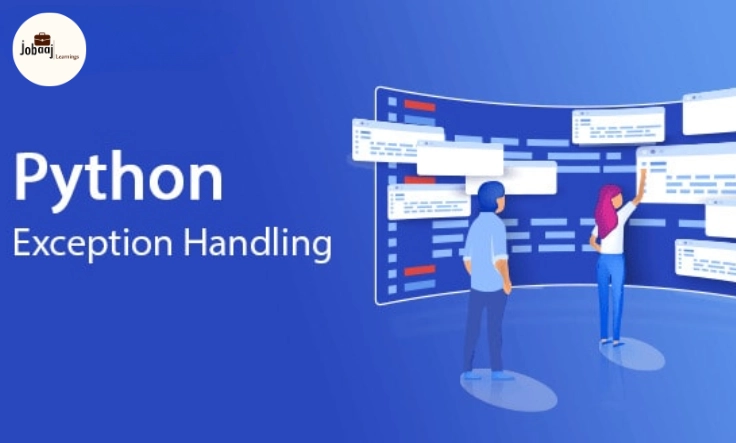
Ever spent hours building a magnificent LEGO castle, only to watch it collapse because of one tiny misplaced brick? That’s what it feels like when your Python code hits an error — everything comes crashing down.
Thankfully, Python has a built-in safety net called exception handling. Think of it like the net under a trapeze artist: if something goes wrong mid-performance, it catches the fall and lets the show go on without a disaster.
Exploring a career in Data Analytics? Apply Now!
Understanding the Basics of Exceptions
Errors in Python are called exceptions. These range from simple typos (like trying to use a variable you haven't defined) to more complex issues (like trying to divide by zero).
When an exception occurs, Python essentially throws a tantrum and stops running. Exception handling lets you gracefully catch these tantrums and deal with them.
The core of exception handling lies in the try...except block. You put the potentially risky code inside the try block. If an error occurs, the except block steps in to handle it.
Imagine you're asking a user for their age. They might type in letters instead of numbers. This would normally crash your program.

Catching and Handling Exceptions with Grace
Let's see this safety net in action:
try:
    age = int(input("Enter your age: "))
    print("You are", age, "years old.")
except ValueError:
    print("Invalid input. Please enter a number.")
Here, we’re attempting to convert user input into a number. If the user types "twenty" instead of "20," a ValueError arises.
Our except block catches it, printing a friendly message. No crashes, just a gentle nudge in the right direction.
You can handle different types of exceptions. For example, you might want to treat a TypeError (like trying to add a string and a number) differently from a FileNotFoundError.
This targeted approach provides specific solutions for different issues, making your code more robust and user-friendly.
Still stuck Googling Python basics? It’s time to fix that.
Join our crash course and master core Python concepts the smart way.
Start learning today
Taking Exception Handling to the Next Level
Beyond simply catching exceptions, you can do more. The else and finally clauses add extra layers of control.
The else block executes if no exception occurs within the try block. This is perfect for code that should run only if everything went smoothly.
The finally block is the cleanup crew. Its code always runs, regardless of whether an exception occurred or not. It's typically used to close files or release resources.
try:
    file = open("my_file.txt", "r")
    data = file.read()
except FileNotFoundError:
    print("File not found.")
else:
    print("File processed successfully.")
finally:
    file.close()
Even if we encounter a FileNotFoundError, the finally block ensures the file gets closed (if it was opened). This prevents resource leaks and keeps things tidy.
Python's exception handling is about more than preventing crashes. It’s about writing resilient code that gracefully handles unexpected situations. This ensures a smoother user experience.
Like a seasoned pilot navigating turbulent skies, exception handling empowers you to steer your code safely to its destination, no matter the challenges along the way.
Dreaming of a Data Analytics Career? Start with Data Analytics Certificate with Jobaaj Learnings.
Frequently asked questions
What is exception handling in Python?
Exception handling in Python uses try-except blocks to catch and handle runtime errors. This prevents your program from crashing and allows for graceful error management.
How do I use a try-except block in Python?
A try block contains code that might raise an exception. An except block specifies the type of exception to catch and the code to execute if that exception occurs.
What are common exceptions in Python?
Common exceptions include `ZeroDivisionError`, `TypeError`, `FileNotFoundError`, `IndexError`, and `ValueError`. Understanding these helps anticipate and handle potential issues.
What is the difference between `except` and `except Exception`?
`except` catches a specific exception type. `except Exception` catches any exception, but is generally less precise and should be used cautiously.
How does exception handling improve code quality?
Exception handling makes your code more robust by preventing unexpected crashes. It improves user experience by providing informative error messages instead of abrupt program termination.

Join 5,00,000+ Subscribers
Be a part of our ever growing community.