Categories








































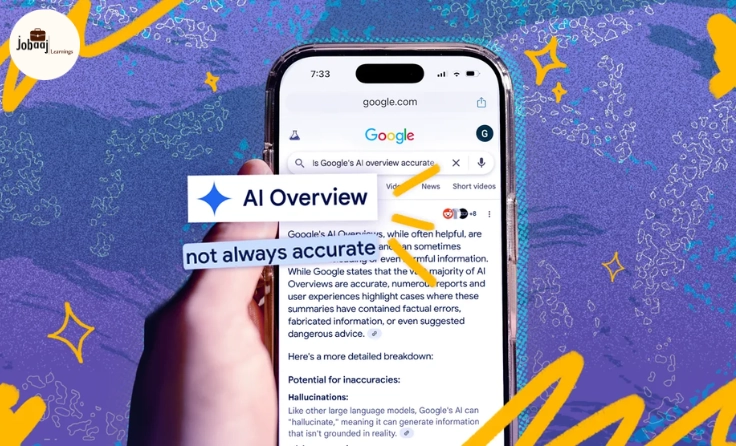
Google’s AI-driven features are changing the way search results are displayed and consumed, making it more important than ever for websites to stay visible in the digital space. As Google continues to improve its AI and machine learning models, traditional SEO tactics are evolving. If you’re a content creator, business owner, or digital marketer, staying ahead of these changes is crucial to maintaining visibility on the world’s most used search engine.
Exploring a career in Performance Marketing? Apply Now!
In this blog, we’ll explore how Google’s AI overviews are transforming search engine results and what you can do to ensure your content stays relevant and visible in the face of these advancements. Whether it’s improving your site’s structure, focusing on rich snippets, or leveraging AI-friendly content, we’ll cover strategies that can help you adapt to this new landscape and maintain your digital presence.
What Are Google’s AI Overviews?
Google’s AI overviews are a set of features powered by the company’s machine learning algorithms that aim to deliver more personalized, relevant, and accurate search results. These AI-driven features include the “Featured Snippets,” “People Also Ask,” and more recently, “AI-powered search results” that are tailored based on user intent. Google’s AI aims to understand not just the specific keywords but the context behind the user’s query, offering more concise, direct answers.
While these AI overviews enhance the search experience for users, they also mean that traditional SEO tactics may no longer suffice to maintain visibility on search engine results pages (SERPs). As these AI features become more integrated into Google’s algorithm, understanding their impact and optimizing for them becomes crucial.
How AI Overviews Impact Your Website’s Visibility
With AI-driven features like direct answers and summarized content, Google now presents search results in a more compact and immediate format. This means that some website links might not even appear above the fold anymore, as Google may display answers directly within the search results.
The shift toward these AI overviews can significantly impact organic click-through rates (CTR) because users might find what they need right on the SERP, without even needing to click through to a website. This means that your website could lose visibility, even if it ranks highly on Google’s SERP.
How to Stay Visible Amidst Google’s AI Overviews
While it might seem daunting, there are strategies you can adopt to maintain visibility and keep your website optimized for AI-driven search features. Here are some actionable steps to help you stay visible in Google’s new landscape:
1. Optimize for Featured Snippets
Featured Snippets are one of the most prominent ways Google’s AI provides quick answers to users. To increase your chances of appearing in a Featured Snippet, structure your content in a way that directly answers common questions in your industry. Use clear, concise language, and format your content with bullet points, numbered lists, or tables where appropriate.
A good rule of thumb is to identify the long-tail keywords your target audience is likely to search for and then create content that answers those queries in a way that Google can easily extract for its featured snippets.
2. Focus on User Intent, Not Just Keywords
Google’s AI has become much better at understanding user intent, meaning it doesn’t just focus on exact keyword matching anymore. Instead, Google’s algorithms analyze the context behind a search query to provide the most relevant results. Therefore, your content should be optimized for user intent by focusing on providing comprehensive answers to queries rather than just using specific keywords.
Think about what users want to know when they search for a particular keyword and create content that answers their questions in depth. It’s also essential to organize your content well so that Google’s AI can easily understand it.
3. Improve Your Structured Data
Structured data (also known as schema markup) plays a critical role in helping search engines understand and index your content more accurately. By adding structured data to your website, you can increase your chances of being featured in rich snippets, knowledge panels, and other AI-driven search results.
Ensure your website’s content is properly tagged with relevant schema markup for things like articles, reviews, products, and events. The more structured your content is, the better Google’s AI can interpret it and display it in various search results.
4. Focus on Natural Language and Conversational Content
As voice search continues to grow, Google’s AI algorithms are becoming better at interpreting conversational queries. Users are now more likely to ask questions in a natural, conversational tone. To optimize for this trend, make sure your content addresses questions in a conversational manner, using natural language and long-tail keyword phrases that match how users speak.
For example, rather than focusing on a phrase like “best SEO strategies,” optimize for something like “What are the best SEO strategies to rank higher in Google?” These conversational phrases match how people naturally ask questions, helping you appear in relevant voice search results.
5. Ensure Mobile Friendliness
With Google’s mobile-first indexing, it’s more important than ever to ensure your website is mobile-friendly. A responsive, mobile-optimized site is a key factor in ranking well on Google, particularly with the rise of AI-driven search features that prioritize mobile experiences.
Check your website’s mobile performance regularly and ensure that it loads quickly, has clear navigation, and offers a smooth browsing experience across all devices.
6. Improve Content Quality and Relevance
Above all, the foundation of staying visible in Google’s AI-driven landscape is quality content. Google’s AI algorithms prioritize content that is helpful, relevant, and authoritative. To improve your chances of ranking, ensure your content provides real value to your audience by answering their questions, solving problems, and offering in-depth insights.
Regularly update your content to reflect the latest trends, data, and user interests. This will not only help with SEO but also ensure your website stays relevant in the eyes of both users and Google’s algorithms.
Conclusion
Google’s AI-driven search features are revolutionizing how information is delivered on the web. While these changes present new challenges for website visibility, they also open the door for new opportunities. By optimizing your content for Google’s AI overviews—whether through featured snippets, structured data, or conversational content—you can ensure your website remains visible and relevant in today’s ever-evolving digital landscape.
Staying ahead of the curve requires understanding the latest trends in SEO and how AI is reshaping the search process. With the right strategies in place, you can continue to capture the attention of both Google’s AI and your audience, keeping your content in the spotlight.
Dreaming of a Performance Marketing Career? Start with Performance Marketing Certificate with Jobaaj Learnings.
Frequently asked questions
What are Google’s AI overviews?
Google’s AI overviews are AI-powered features in search results that provide quick, relevant answers directly on the search engine results page (SERP). These features, like featured snippets and knowledge panels, are designed to enhance the user experience by delivering answers instantly, without needing to click through to a website.
How can I optimize my website for Google’s AI overviews?
To optimize for Google’s AI-driven features, focus on creating high-quality, well-structured content that answers common user questions. Implement schema markup to help Google understand your content better and optimize for featured snippets by providing clear, concise answers to queries. Additionally, using natural, conversational language will help you target voice search queries.
What role does structured data play in staying visible in Google’s search results?
Structured data helps Google’s AI understand the context of your content, improving your chances of appearing in rich snippets and other AI-driven features. By using schema markup, you can provide information about your content in a format that search engines can easily read and use to display more informative results in search queries.
How does Google’s mobile-first indexing affect my SEO strategy?
With Google’s mobile-first indexing, Google predominantly uses the mobile version of a website for indexing and ranking. Ensuring your website is mobile-friendly and optimized for fast loading on mobile devices is essential for maintaining visibility in search results. This is especially important for appearing in AI-driven features like featured snippets and knowledge panels.
What is the impact of voice search on SEO and how can I adapt?
Voice search is on the rise, and it requires a shift in SEO strategy to match natural, conversational queries. Optimizing for voice search involves targeting long-tail keywords and answering questions in a conversational tone. To stay visible, ensure your content is optimized for featured snippets and voice search queries.
How do I ensure my content is AI-friendly for Google?
To ensure your content is AI-friendly, focus on creating well-structured, relevant content that addresses user intent. Use clear, concise language and aim for featured snippets by directly answering common questions. Incorporate structured data and optimize your site’s mobile responsiveness to ensure better visibility in AI-powered search features.

Join 5,00,000+ Subscribers
Be a part of our ever growing community.