Categories








































Imagine a small business that had been struggling to find its footing in a crowded market. Despite offering a great product and excellent customer service, sales were stagnant, and the team felt they were just spinning their wheels. Then, they decided to invest in marketing analytics. It wasn’t long before they uncovered key insights that helped them better understand their audience, optimize their campaigns, and, ultimately, skyrocket their revenue. The power of marketing analytics had transformed their approach, and the business was thriving once again. This is just one example of how marketing analytics can take a company from surviving to thriving.
Exploring a career in Performance Marketing? Apply Now!
In today’s digital world, marketing analytics is not just a buzzword; it’s a game-changer. Businesses now have access to more data than ever before, which allows them to make smarter, data-driven decisions. From tracking customer behavior to evaluating campaign performance, marketing analytics offers an in-depth view of what’s working and what’s not. Let’s dive into how marketing analytics works and how it can help transform a business.
What is Marketing Analytics?
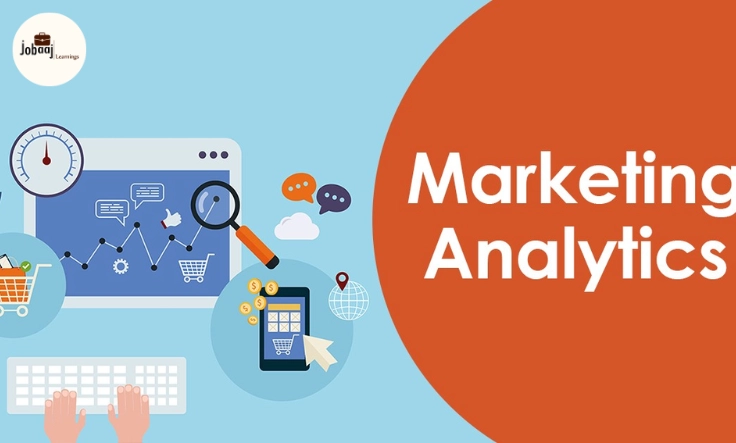
At its core, marketing analytics is the process of measuring, managing, and analyzing marketing performance to maximize its effectiveness. It uses data to understand customer behavior, optimize marketing strategies, and achieve business goals. This data can come from various sources—website traffic, social media engagement, email campaigns, customer surveys, and more. By using this data, businesses can improve their marketing efforts, personalize content, and drive better results.
The Role of Marketing Analytics in Business Transformation
-
Customer Insights
One of the most significant benefits of marketing analytics is its ability to provide deep customer insights. By analyzing customer behavior, preferences, and purchasing patterns, businesses can segment their audience and tailor marketing strategies to specific groups. This not only improves customer satisfaction but also leads to higher conversion rates. -
Optimizing Campaign Performance
Marketing analytics allows businesses to track the performance of their campaigns in real-time. This means you can identify which strategies are working and which aren’t, allowing for quick adjustments. Whether it’s a digital ad, an email campaign, or a social media post, you can tweak your approach for better results. -
Predictive Analytics
Predictive analytics uses historical data to forecast future trends and behaviors. For example, it can help businesses predict which products will be popular during the upcoming season or which customers are most likely to convert. By making data-driven predictions, businesses can plan more effective marketing strategies. -
Budget Efficiency
Marketing analytics also helps businesses allocate their marketing budget more efficiently. By identifying which channels and tactics are yielding the best ROI, businesses can focus their spending on the most profitable initiatives, reducing wasted costs. -
Improved ROI
The ultimate goal of marketing analytics is to improve ROI. With a clearer understanding of which efforts are driving revenue, businesses can optimize their strategies and investments for higher returns.
Tools and Technologies for Marketing Analytics
In today’s tech-savvy world, a wide range of tools and platforms can help businesses leverage marketing analytics. Some popular ones include Google Analytics, HubSpot, Tableau, and SEMrush. These tools offer various features, such as data visualization, real-time reporting, and customer segmentation, to help businesses make the most out of their data.
Challenges of Implementing Marketing Analytics
While marketing analytics is incredibly valuable, it’s not without its challenges. One of the biggest hurdles is data integration. Businesses often have data coming from multiple sources, and getting all of that information into one place can be a challenge. Additionally, interpreting the data correctly requires skill and expertise. Without the right team or training, businesses may struggle to draw actionable insights from the data.
The Future of Marketing Analytics
As technology continues to evolve, marketing analytics is likely to become even more sophisticated. Artificial intelligence (AI) and machine learning (ML) will play a major role in automating data analysis and providing even more accurate predictions. The future of marketing analytics holds exciting possibilities for businesses to better understand their customers and make smarter marketing decisions.
Conclusion
Marketing analytics is no longer a luxury for businesses—it’s a necessity. By leveraging data to understand customer behavior, optimize campaigns, and improve ROI, businesses can set themselves up for long-term success. The power of marketing analytics lies in its ability to provide valuable insights that drive smarter decision-making and better outcomes. For any business looking to stay competitive, embracing marketing analytics is the key to unlocking growth and transformation.
Dreaming of a Performance Marketing Career? Start with Performance Marketing Certificate with Jobaaj Learnings.
Frequently asked questions
What is marketing analytics?
Marketing analytics is the process of analyzing data to measure and optimize marketing performance, helping businesses make data-driven decisions.
How can marketing analytics help my business?
It provides valuable insights into customer behavior, optimizes marketing campaigns, improves ROI, and helps allocate marketing budgets effectively.
What tools are used for marketing analytics?
Popular tools include Google Analytics, HubSpot, Tableau, SEMrush, and others that help with data visualization and campaign tracking.
Can small businesses benefit from marketing analytics?
Yes, marketing analytics can help small businesses by providing affordable insights to optimize their marketing efforts and grow their customer base.
What is predictive analytics in marketing?
Predictive analytics uses historical data to forecast future trends and customer behavior, allowing businesses to plan more effectively.
How does marketing analytics improve ROI?
By analyzing campaign performance and customer behavior, businesses can optimize their strategies to ensure higher returns on investment.

Join 5,00,000+ Subscribers
Be a part of our ever growing community.