Categories







































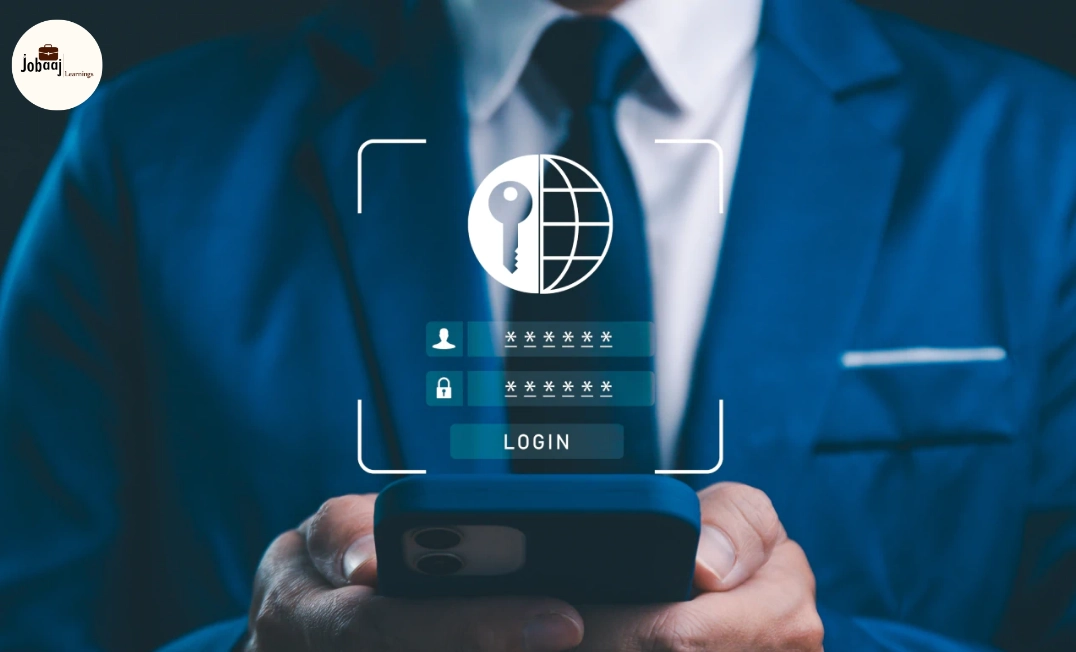
As businesses move more operations online, cybersecurity has become one of the most important areas in technology.
Every day, organisations handle customer information, financial transactions, internal systems and sensitive business data. Protecting this information from cyber threats requires skilled cybersecurity professionals.
A cybersecurity analyst plays a key role in identifying security risks, monitoring threats, investigating incidents and helping organisations protect their digital infrastructure.
For students interested in technology, problem-solving and investigation, cybersecurity offers a career path with strong future potential.
However, becoming a cybersecurity analyst requires more than learning hacking techniques. It requires understanding networks, systems, security principles, risk management and how attackers think.
Dreaming of a Web Development Career? Start with Web Development Certificate with Jobaaj Learnings.
This guide explains the skills, roadmap, tools, certifications and career opportunities required to become a cybersecurity analyst.
What Does a Cybersecurity Analyst Do?
A cybersecurity analyst protects an organisation’s systems, networks and data from cyber threats.
Their main responsibility is to identify suspicious activity, investigate security incidents and prevent future attacks.
A typical day may include monitoring security alerts, analysing system logs, investigating malware incidents and improving security controls.
Common responsibilities include:
- Monitoring network and system activity
- Detecting security threats
- Investigating cyber incidents
- Analysing vulnerabilities
- Responding to security breaches
- Reviewing security logs
- Managing security tools
- Conducting risk assessments
- Preparing incident reports
- Supporting security policies and compliance requirements
A cybersecurity analyst often works as the first line of defence against cyber attacks.
Why Choose Cybersecurity as a Career in 2026?
Cyber threats are increasing as companies adopt cloud computing, digital payments, artificial intelligence and remote working systems.
Businesses across industries need cybersecurity professionals to protect their information and maintain customer trust.
Cybersecurity opportunities exist in:
- Banking and finance
- IT services
- Healthcare
- Government organisations
- E-commerce
- Consulting firms
- Telecommunications
- Defence
- Cloud technology companies
The field is also expanding beyond traditional security. Modern cybersecurity includes areas such as:
- Cloud security
- Artificial intelligence security
- Data privacy
- Identity management
- Security automation
- Digital forensics
This creates opportunities for professionals with both technical skills and business understanding.
Cybersecurity Analyst vs Ethical Hacker vs Security Engineer
Many beginners confuse different cybersecurity roles.
|
Role |
Main Focus |
|
Cybersecurity Analyst |
Monitoring threats and responding to incidents |
|
Ethical Hacker |
Finding vulnerabilities by testing systems |
|
Security Engineer |
Building and maintaining security infrastructure |
|
Security Consultant |
Advising companies on security improvements |
|
Security Architect |
Designing complete security frameworks |
A cybersecurity analyst is usually one of the best entry points for beginners because it provides exposure to real-world security operations.
Eligibility to Become a Cybersecurity Analyst
There is no single mandatory degree required for cybersecurity.
Students from different backgrounds can enter this field by developing technical skills.
Common educational backgrounds include:
- Computer Science
- Information Technology
- Electronics Engineering
- Cybersecurity
- BCA
- MCA
- Engineering
- Mathematics
- Other technology-related degrees
However, skills and practical experience often matter more than the degree alone.
Students should focus on building knowledge in:
- Networking
- Operating systems
- Security concepts
- Programming
- Cloud platforms
- Security tools
Important Skills Required for a Cybersecurity Analyst
1. Networking Fundamentals
Networking is the foundation of cybersecurity.
A cybersecurity analyst must understand how computers communicate and how attackers exploit network weaknesses.
Important concepts include:
- TCP/IP
- DNS
- HTTP and HTTPS
- Firewalls
- VPNs
- Routers and switches
- Network protocols
- Ports and services
Without networking knowledge, it becomes difficult to understand security threats.
2. Operating System Knowledge
Cybersecurity professionals regularly work with different operating systems.
Important areas include:
Linux
Linux is widely used in security environments because of its flexibility and powerful command-line tools.
Learn:
- Linux commands
- File permissions
- System logs
- User management
- Shell basics
Windows
Many organisations use Windows-based systems.
Important topics include:
- Active Directory
- Windows security settings
- Event logs
- User permissions
- Group policies
3. Security Fundamentals
A cybersecurity analyst should understand basic security principles.
Important concepts include:
- Confidentiality, Integrity and Availability (CIA Triad)
- Authentication and authorization
- Encryption
- Access control
- Vulnerability management
- Risk assessment
- Security policies
These concepts help analysts understand why and how security controls are implemented.
4. Threat Detection and Incident Response
Cybersecurity analysts need to identify and respond to attacks quickly.
They should understand:
- Malware attacks
- Phishing attempts
- Ransomware
- Data breaches
- Insider threats
- Suspicious network activity
Incident response usually involves:
- Detecting the issue
- Analysing the threat
- Containing the damage
- Removing the threat
- Recovering systems
- Documenting lessons learned
5. Security Tools Knowledge
Cybersecurity analysts use specialised tools to monitor and investigate threats.
Important tools include:
SIEM Tools
Security Information and Event Management platforms collect and analyse security data.
Examples:
- Splunk
- IBM QRadar
- Microsoft Sentinel
Network Monitoring Tools
Examples:
- Wireshark
- Nmap
- tcpdump
Vulnerability Scanning Tools
Examples:
- Nessus
- OpenVAS
- Qualys
Endpoint Security Tools
Examples:
- CrowdStrike
- Microsoft Defender
- SentinelOne
Beginners do not need to master every tool. Understanding the purpose and basic usage of important tools is more valuable.
6. Basic Programming Skills
Cybersecurity does not require every professional to become a software developer.
However, basic programming helps automate tasks and understand vulnerabilities.
Useful languages include:
Python
Used for:
- Automation scripts
- Security testing
- Log analysis
- Data processing
Bash
Useful for Linux automation.
JavaScript
Helpful for understanding web application vulnerabilities.
SQL
Important for understanding database attacks such as SQL injection.
7. Cloud Security Knowledge
Companies are moving applications and data to cloud platforms, increasing demand for cloud security skills.
Important cloud concepts include:
- Identity and access management
- Cloud networking
- Data protection
- Security monitoring
- Shared responsibility model
Popular platforms include:
- AWS
- Microsoft Azure
- Google Cloud
Cybersecurity Tools Beginners Should Learn
Network Security Tools
- Wireshark
- Nmap
- Netcat
Vulnerability Assessment Tools
- Nessus
- OpenVAS
- Burp Suite
Security Monitoring Tools
- Splunk
- Microsoft Sentinel
- IBM QRadar
Operating Systems
- Linux
- Windows Server
Practice Platforms
Students can practise cybersecurity skills through:
- TryHackMe
- Hack The Box
- CyberDefenders
- PortSwigger Web Security Academy
Practical practice is extremely important because cybersecurity is a skill-based career.
Cybersecurity Analyst Roadmap for Beginners
Step 1: Learn Computer and Networking Basics
Start with:
- Computer fundamentals
- Networking concepts
- TCP/IP
- Operating systems
- Basic troubleshooting
A strong foundation makes advanced security topics easier.
Step 2: Learn Security Fundamentals
Understand:
- Common attacks
- Security controls
- Encryption basics
- Authentication systems
- Risk management
Step 3: Learn Linux and Security Tools
Practise:
- Linux commands
- Network scanning
- Log analysis
- Vulnerability testing
Use online labs to develop practical skills.
Step 4: Learn Incident Response
Understand how security teams handle real incidents.
Practise:
- Analysing logs
- Identifying indicators of compromise
- Investigating suspicious activity
- Writing incident reports
Step 5: Build Projects and Labs
Projects help demonstrate practical knowledge.
Examples:
Home Security Lab
Create a virtual environment using Linux machines and security tools.
Learn:
- Network monitoring
- Vulnerability testing
- Log analysis
Phishing Detection Project
Analyse suspicious emails and identify indicators of phishing.
Vulnerability Assessment Report
Scan a test environment and create a professional security report.
Log Analysis Project
Analyse system logs and identify unusual activities.
Best Certifications for Cybersecurity Analysts
Certifications can help beginners structure their learning.
Popular certifications include:
CompTIA Security+
A common beginner-friendly cybersecurity certification covering security fundamentals.
Certified Ethical Hacker (CEH)
Focuses on ethical hacking concepts and vulnerability testing.
Certified Information Systems Security Professional (CISSP)
Designed mainly for experienced security professionals.
Google Cybersecurity Certificate
Suitable for beginners entering the cybersecurity field.
Microsoft Security Certifications
Useful for professionals working with Microsoft security technologies.
Certifications are valuable, but practical skills and hands-on experience remain important.
Career Growth Path in Cybersecurity
A common cybersecurity career path looks like:
SOC Analyst → Cybersecurity Analyst → Security Engineer → Security Consultant → Security Architect
Other career options include:
- Penetration Tester
- Cloud Security Engineer
- Digital Forensics Analyst
- Threat Intelligence Analyst
- Security Operations Manager
- Cybersecurity Consultant
Cybersecurity allows professionals to specialise based on their interests.
Is Cybersecurity a Good Career for Freshers?
Yes, cybersecurity can be a strong career choice for freshers, but entering directly into advanced security roles can be challenging.
Many beginners start through roles such as:
- SOC Analyst
- Security Support Analyst
- IT Support with security responsibilities
- Vulnerability Analyst
Building networking knowledge, certifications and practical projects can improve entry-level opportunities.
Future Scope of Cybersecurity
Cybersecurity will continue to be a critical field as organisations become more dependent on digital systems.
Future cybersecurity professionals will work with:
- AI-powered security monitoring
- Cloud security
- Zero Trust architecture
- Privacy protection
- Security automation
- Advanced threat detection
As cyber attacks become more sophisticated, companies will continue investing in professionals who can protect their systems and data.
Final Thoughts
Cybersecurity is a career for people who enjoy investigation, problem-solving and continuous learning.
Becoming a cybersecurity analyst requires a strong foundation in networking, operating systems, security concepts and practical experience.
Students should focus less on memorising tools and more on understanding how systems work, how attacks happen and how organisations can defend themselves.
With the right skills, certifications and hands-on practice, cybersecurity can become a rewarding technology career with strong long-term growth.
Ready to Take the Next Step in Your Career? Apply Now!
Frequently asked questions
Can a beginner become a cybersecurity analyst?
Yes, beginners can enter cybersecurity by learning networking, operating systems, security fundamentals and practical tools. Starting with entry-level roles such as SOC analyst or security support analyst is common. Certifications, home labs and cybersecurity projects can help demonstrate skills when applying for jobs.
Is coding required for cybersecurity?
Coding is not mandatory for every cybersecurity role, but basic programming knowledge is highly useful. Python, Bash and SQL can help automate tasks, analyse data and understand vulnerabilities. Security analysts who know programming often have an advantage because they can work more efficiently with security tools.
Which certification is best for cybersecurity beginners?
CompTIA Security+, Google Cybersecurity Certificate and other beginner-level certifications are commonly recommended for newcomers. However, certifications should be combined with practical experience through labs, projects and security challenges because cybersecurity is a hands-on field.
How much does a cybersecurity analyst earn in India?
A fresher cybersecurity analyst in India can typically earn around ₹3 lakh to ₹7 lakh per year. With experience and advanced skills in areas such as cloud security, incident response and penetration testing, professionals can progress to higher salary ranges.
Is cybersecurity a good career in the future?
Yes, cybersecurity has strong future potential because organisations across industries need protection against increasing digital threats. Growth in cloud computing, AI, online transactions and connected devices will continue creating demand for cybersecurity professionals with updated technical skills.

Join 5,00,000+ Subscribers
Be a part of our ever growing community.