Categories







































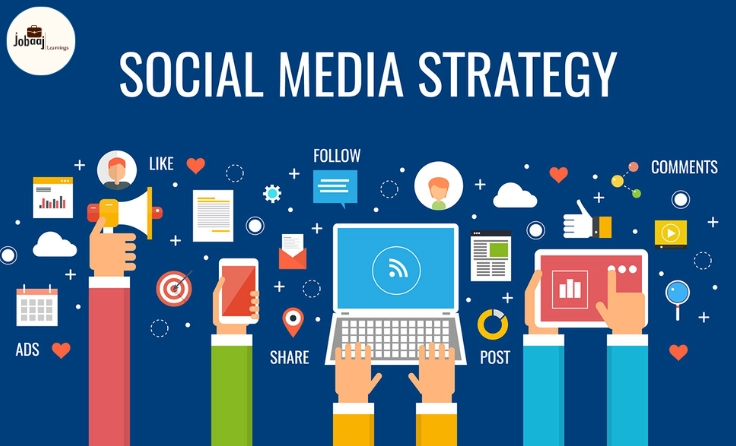
Picture this: You’ve just launched a new product, and now, you need the world to notice. Traditional marketing methods are no longer enough in today’s digital-first world, and social media has become the go-to platform for connecting with consumers. But here's the catch—simply posting content on your Instagram or Facebook page isn’t enough to create a lasting impact. Without a solid strategy, even the best ideas can get lost in the crowd.
Exploring a career in Performance Marketing? Apply Now!
Creating a social media marketing strategy is about more than just posting consistently. It’s about aligning your brand’s voice with your audience’s needs and goals, and building a community that engages with you. With the right approach, social media can be a powerful tool to grow your brand, increase your reach, and foster loyalty. In this blog, we’ll dive into how to create a successful social media marketing plan that not only increases brand visibility but helps you achieve your long-term objectives.
1. Start with Clear Objectives
Before diving into creating content, it's crucial to define what you want to achieve. Whether it’s boosting brand recognition, driving traffic to your website, or generating more leads, your objectives will dictate your entire strategy.
-
Set measurable goals: Think about metrics such as follower growth, engagement rate, and website visits.
-
Tailor your content: Adjust your strategy based on what success looks like to you—whether it’s more interactions or conversions.
2. Understand Your Target Audience
A successful social media strategy hinges on knowing who you're talking to. Without a clear understanding of your audience’s interests, habits, and pain points, your content is less likely to resonate.
-
Create audience personas: Use demographic data to build profiles of your ideal customers. This helps in crafting relevant, engaging posts.
-
Engage with your audience: Keep a pulse on what your audience discusses and interacts with on social media. It’s the easiest way to find out what matters most to them.
3. Pick the Right Platforms
Not all social media platforms will suit your brand equally. Each platform—whether it’s Instagram, LinkedIn, TikTok, or Twitter—has its own audience, tone, and best practices. By focusing on the right platforms, you can maximize your impact.
-
Choose wisely: Opt for platforms where your target audience is most active.
-
Align content with platform strengths: What works on Instagram (visually appealing posts) may not work on LinkedIn (which is more professional-focused).
4. Create High-Quality Content
Content is the driving force behind every successful social media campaign. But creating great content goes beyond flashy images or clever captions. It’s about delivering valuable information that resonates with your audience.
-
Diversify content formats: From videos and infographics to blog links and polls, mixing up your content keeps things fresh.
-
Make it relevant: Tie your content to current events, trending topics, or even customer pain points to keep your audience engaged.
5. Consistency is Key
In the world of social media, consistency is crucial for building a loyal following. A content calendar is an effective tool for ensuring you post regularly and keep your audience engaged even during slow periods.
-
Set a posting schedule: Use social media management tools like Buffer or Hootsuite to plan and automate your posts.
-
Stay active: Regular engagement with your followers helps maintain interest and increases interaction.
6. Foster Engagement and Interaction
Social media is about more than broadcasting messages; it’s a platform for conversation and community building. Responding to comments, liking posts, and interacting with followers is essential to fostering a relationship.
-
Engage authentically: Encourage conversation through polls, Q&As, and by sharing user-generated content.
-
Build community: Acknowledge your audience’s input, whether it’s feedback or a compliment. This builds brand loyalty.
7. Measure Performance and Adjust
To know whether your strategy is working, you need to measure the success of your efforts. By analyzing metrics like engagement, conversion rates, and click-through rates, you can determine what's resonating with your audience and what isn’t.
-
Use analytics tools: Tools like Google Analytics and Facebook Insights help track your progress and uncover opportunities to refine your strategy.
-
Iterate and improve: Continuously evaluate and optimize your strategy based on performance data.
Conclusion: Turning Strategy into Success
In the world of digital marketing, social media is your gateway to meaningful connections with your audience. However, the key to a successful social media presence isn’t just about posting pretty pictures or catchy captions—it’s about strategic planning, audience engagement, and continuous optimization. When done right, social media can transform your brand, build a loyal customer base, and help you achieve tangible business goals.
By defining clear goals, understanding your audience, and using data to guide your decisions, you can build a social media marketing strategy that not only gets results but also sets you up for long-term success in a constantly evolving digital landscape.
Dreaming of a Performance Marketing Career? Start with Performance Marketing Certificate with Jobaaj Learnings.
Frequently asked questions
What is the first step in creating a social media marketing strategy?
The first step is defining your goals. Whether it’s increasing brand awareness or generating leads, setting clear objectives will guide your strategy.
How can I identify my target audience on social media?
Conduct audience research using demographics, behavior patterns, and market insights to create detailed audience personas that align with your brand.
Which social media platform is best for my business?
Choose platforms based on where your target audience is most active and where the content format aligns with your brand. For instance, Instagram is great for visuals, while LinkedIn is better for professional content.
How often should I post on social media?
Post consistently, ideally 3-4 times a week. The frequency depends on your platform and audience. Maintaining regular content keeps your brand visible and engaged.
How do I measure the success of my social media strategy?
Use tools like **Google Analytics** and platform-specific insights to track metrics such as engagement, website traffic, and conversion rates to evaluate success.
Can social media marketing really grow my business?
Yes, when done correctly, social media marketing can build brand recognition, drive traffic, generate leads, and foster stronger customer relationships, all of which contribute to business growth.

Join 5,00,000+ Subscribers
Be a part of our ever growing community.