Categories




































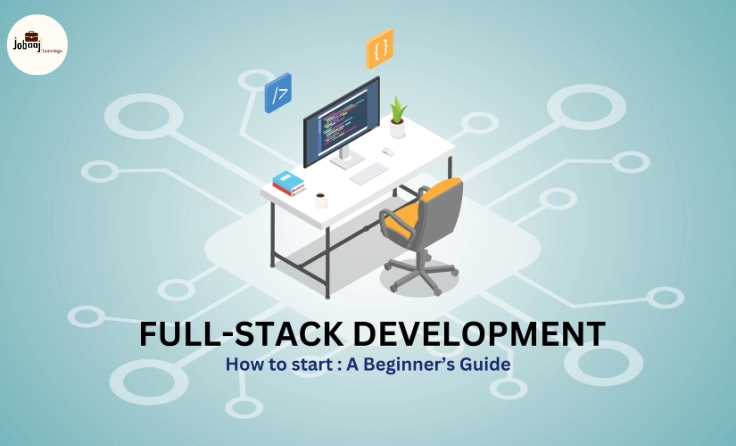
Building a full-stack application can seem like a daunting task for beginners, but with the right guidance and tools, it can be an incredibly rewarding experience. If you’re just starting out in web development, understanding how both the front-end and back-end of a web application work together is essential. In this guide, we will walk you through the basics of building your very first full-stack application, explain the core concepts involved, and provide actionable steps you can take to get your project up and running.
Exploring a career in Web Development? Apply now!
Whether you're aiming to create a portfolio project, build a useful tool, or simply learn more about web development, mastering full-stack development opens up endless possibilities. So, let’s dive in and break down the steps to get you started.
What is Full-Stack Development?
Full-stack development refers to the process of creating both the front-end and back-end of a web application.
-
The front-end is everything the user interacts with directly—this includes what they see on the screen, such as buttons, navigation bars, and forms. It's built using technologies like HTML, CSS, and JavaScript.
-
The back-end refers to the server-side part of the application that handles data, user authentication, and communication with the database. The back-end is built using programming languages like Node.js, Python, Ruby, or Java.
A full-stack developer is someone who can build both the front-end and back-end of an application, and they can work with databases, servers, and APIs to create a complete web application. In this guide, we’ll help you understand the essential tools and technologies required for building a full-stack application from scratch.
The Core Technologies You’ll Need
Before you start building, it's important to get familiar with the key technologies used in full-stack development. Here’s a breakdown:
-
HTML/CSS/JavaScript: These three are the building blocks of web development. HTML is used to create the structure of your web pages, CSS is used to style those pages, and JavaScript allows you to add interactivity and dynamic behavior to your website.
-
Front-end Frameworks (React, Angular, or Vue.js): While HTML, CSS, and JavaScript are fundamental, using a front-end framework helps you structure your app and manage the complexity of building dynamic UIs. React is the most popular front-end library today, but Angular and Vue.js are also widely used.
-
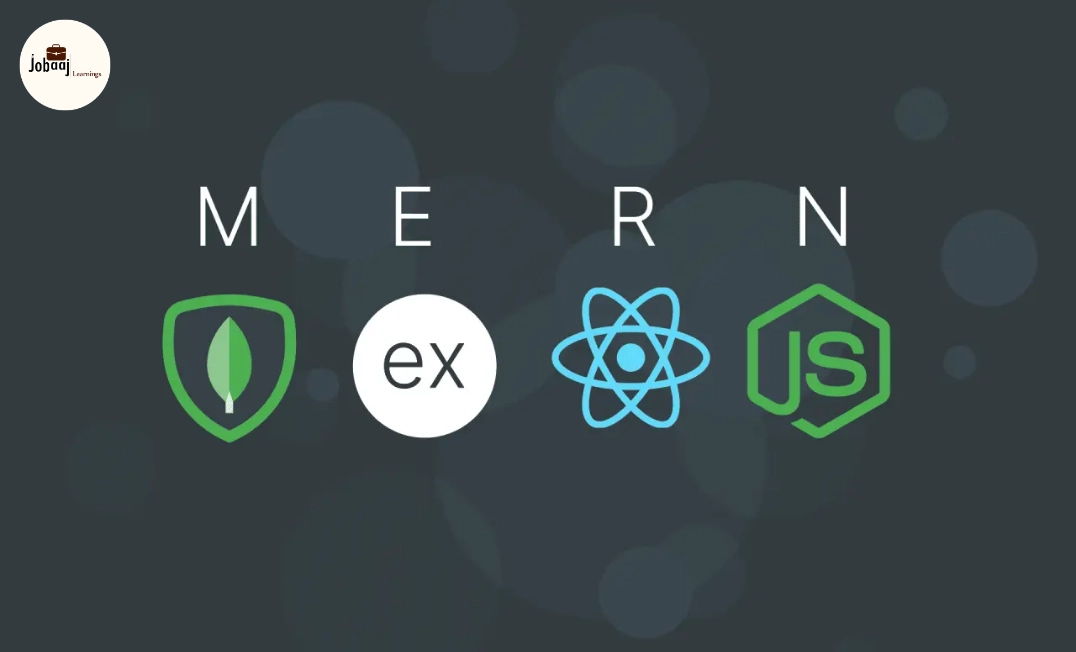
Back-end Frameworks (Node.js, Express, Django): On the back-end, frameworks like Node.js (with Express) and Django (Python) make it easier to handle requests, interact with databases, and serve your front-end content. Node.js is particularly popular for JavaScript developers, as it allows you to write both the front-end and back-end in the same language.
-
Database (MongoDB, PostgreSQL, MySQL): Every full-stack application requires a database to store and manage data. For beginners, MongoDB (a NoSQL database) and PostgreSQL or MySQL (relational databases) are two of the most common choices. MongoDB is especially popular with JavaScript developers.
-
Version Control (Git/GitHub): Managing your project using version control is crucial when developing a web application. Git helps track changes, and GitHub or GitLab provides cloud-based repositories to collaborate with others or manage your code.
-
APIs (RESTful APIs): A crucial part of full-stack development is using APIs to enable communication between the front-end and back-end. RESTful APIs are commonly used to send and receive data between your client-side application (front-end) and your server-side application (back-end).
Step-by-Step Guide to Building Your First Full-Stack Application
Now that you’re familiar with the essential technologies, let’s break down the process of building your first full-stack application. We’ll focus on building a simple task manager app that allows users to create, update, and delete tasks.
Step 1: Setting Up Your Development Environment
To start building your full-stack app, you'll need to install a few tools:
-
Text Editor: Install a code editor like Visual Studio Code.
-
Node.js: Download and install Node.js, which will allow you to run JavaScript on the server-side.
-
Git: Install Git for version control.
-
MongoDB: You can start by using MongoDB Atlas, which is a cloud-based solution for MongoDB.
Step 2: Create Your Front-End
1.Set Up Your React Application: Start by creating your React project using Create React App. This will automatically configure everything you need to start building your app.

2.Create Components: Build your components to display tasks, create forms to add new tasks, and buttons to edit or delete tasks.
Example of a simple TaskList component in React:

3.State Management: Use React hooks to manage the state of your application (such as the list of tasks). You can use useState for local state management and useEffect for data fetching.
Step 3: Create Your Back-End with Node.js and Express
-
Set Up Express: In your project directory, create a new folder called
backend. Initialize a new Node.js project and install Express.

-
Build Your API: Create a simple API to manage tasks. The API will allow the front-end to fetch tasks, create new tasks, and delete tasks.
Example of a simple task management API with Express:


Step 4: Connect the Front-End and Back-End
-
Fetch Data from API: In your React app, use the
fetchAPI or Axios to send HTTP requests to your back-end.

-
Submit Data: When users submit new tasks, send a POST request to your back-end to add them to the list.
Step 5: Add a Database (Optional)
If you want to make your task manager app persistent, integrate a database like MongoDB. You can use Mongoose to interact with MongoDB and store tasks on the back-end.
Then, set up a connection to MongoDB and modify your routes to interact with the database.
Conclusion
Congratulations! You’ve just built your first full-stack application. By combining front-end technologies like React with back-end tools like Node.js and Express, you’ve created a complete, data-driven app. Full-stack development allows you to understand how everything works together, from displaying data on the user interface to processing and storing that data on the back-end.
As you continue to improve your skills, you can explore more advanced topics like authentication, deployment, and using other databases like PostgreSQL or Firebase. Full-stack development is a powerful skill that opens up many doors for you as a developer, and the possibilities for your applications are endless.
Dreaming of a Web Development Career? Start with Web Development Certificate with Jobaaj Learnings.
Frequently asked questions
What is full-stack development?
Full-stack development is the process of building both the front-end and back-end of a web application. The front-end is what users interact with, while the back-end handles the server-side operations and data management.
Do I need to know multiple programming languages for full-stack development?
Yes, full-stack developers typically work with a combination of front-end languages (HTML, CSS, JavaScript) and back-end technologies (like Node.js or Python). Knowing how to integrate these technologies is key to full-stack development.
Can I build a full-stack app without using a database?
Yes, you can build a basic full-stack app without a database, but for persistence (i.e., saving data across sessions), you will need a database like MongoDB, MySQL, or PostgreSQL.
What is the best database for full-stack apps?
The choice of database depends on your application’s requirements. MongoDB (a NoSQL database) is popular for JavaScript-based apps, while relational databases like PostgreSQL and MySQL are great for more complex data structures.
Can I deploy a full-stack app for free?
Yes, you can deploy your full-stack app using platforms like **Vercel**, **Heroku**, or **Netlify** for free (with limitations). These platforms support both front-end and back-end deployments.
What are some common mistakes when building full-stack apps?
Common mistakes include not properly handling user input, failing to manage errors, not optimizing performance, or not implementing proper authentication and security for user data.

Join 5,00,000+ Subscribers
Be a part of our ever growing community.