Categories














/content/learnings/assets/header/ManagementConsulting.svg)
/content/learnings/assets/header/InvestmentBanking.svg)


























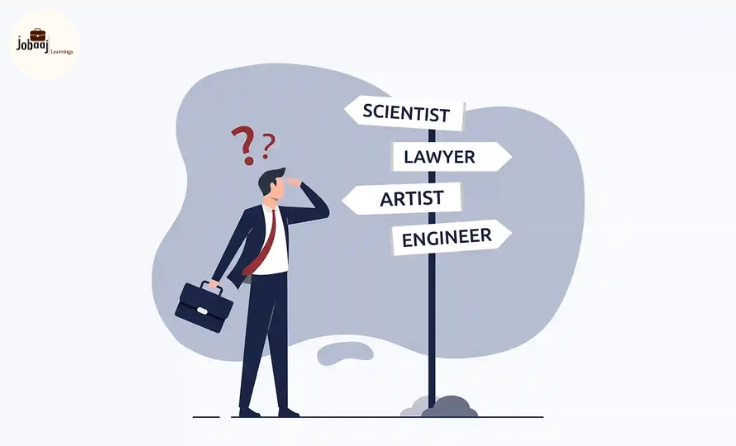
Choosing a career can feel like one of life’s biggest decisions, and with so many options available, it’s easy to get overwhelmed. You might find yourself asking questions like, “What’s the best job for me?” or “What career path will make me feel fulfilled?”
The truth is, there’s no one-size-fits-all answer. But here’s a helpful perspective—your personality plays a huge role in determining the right career for you. The work you do should align with who you are, your strengths, values, and how you approach challenges. When you choose a career that matches your personality, you're more likely to be happy, productive, and successful in the long run.
In this blog, we’ll guide you through understanding your personality type and how to use that knowledge to make a more informed, satisfying career choice.
Understanding Personality Types
Before jumping into career choices, it’s helpful to first understand the different personality traits and types. While there are many models out there, the Myers-Briggs Type Indicator (MBTI) is one of the most popular systems used to classify personality types. It categorizes people based on four key preferences:
-
Introversion (I) vs. Extraversion (E): Are you more energized by spending time alone or being around others?
-
Sensing (S) vs. Intuition (N): Do you focus on facts and details or do you look at the big picture and abstract ideas?
-
Thinking (T) vs. Feeling (F): Do you make decisions based on logic and facts or personal values and how others might feel?
-
Judging (J) vs. Perceiving (P): Do you prefer structure and planning, or do you enjoy being spontaneous and adaptable?
These preferences form 16 different personality types, each with unique strengths and challenges. Knowing which type you are can provide valuable insight into careers where you’ll thrive.
How Personality Influences Career Choices
Different personality types naturally gravitate toward different environments and roles. Let’s break down how specific personality traits might align with certain careers:
1. Introverts (I) vs. Extraverts (E)
-
Introverts often enjoy working independently or in smaller, quieter environments. They may prefer roles like writers, researchers, or designers, where deep focus and solitary work are valued.
-
Extraverts, on the other hand, thrive in dynamic, social settings. They’re energized by interacting with others and often excel in roles like sales, marketing, public relations, or leadership positions that require constant communication and teamwork.
If you’re an introvert, consider roles that allow you to work behind the scenes, like content creation or data analysis. If you’re an extravert, you might be drawn to jobs where collaboration is key, such as event planning or teaching.
2. Sensing (S) vs. Intuition (N)
-
Sensors tend to focus on the present moment and enjoy working with concrete facts. They may excel in jobs that require practical, hands-on work like nursing, engineering, or finance, where precision and detail are crucial.
-
Intuitives prefer abstract thinking and enjoy exploring possibilities and future outcomes. They’re often drawn to careers in strategic planning, creative fields, or roles in technology and innovation, such as graphic design, entrepreneurship, or software development.
If you're a sensor, think about careers where your attention to detail and practicality will be valued, such as administration or logistics. If you're intuitive, look for jobs that involve big-picture thinking, like consulting or innovation roles.
3. Thinking (T) vs. Feeling (F)
-
Thinkers tend to prioritize logic and objectivity in their decision-making. They often excel in technical or analytical roles like law, accounting, or computer programming where clear reasoning and problem-solving are key.
-
Feelers make decisions based on personal values and empathy for others. They thrive in caregiving professions, such as social work, psychology, or human resources, where emotional intelligence and understanding are highly valued.
If you're a thinker, you may find satisfaction in analytical jobs where you can solve problems using logic and systems, like IT or engineering. If you’re a feeler, consider roles where you can help others and contribute to their well-being, like healthcare or education.
4. Judging (J) vs. Perceiving (P)
-
Judgers tend to appreciate structure, organization, and planning. They do well in roles that require schedules, deadlines, and project management, such as event planning, project management, or executive roles.
-
Perceivers, however, are more adaptable and flexible. They enjoy roles that offer freedom, variety, and creativity. They might excel in fields like arts, media, or consulting, where change and spontaneity are part of the job.
If you're a judger, you might enjoy roles where you can keep things organized and on track, like operations management or accounting. If you’re a perceiver, you may enjoy more flexible jobs where you can think on your feet, such as marketing, entertainment, or design.
Aligning Your Personality with Your Career Goals
Now that you have a better understanding of your personality type, here’s how you can use it to choose a career that fits your natural strengths and preferences.
-
Assess Your Strengths and Weaknesses: Think about the tasks you enjoy most and the ones you struggle with. If you love socializing and leading teams, a career in management might be ideal. If you prefer working independently and handling tasks that require focus, you may do well in tech or research.
-
Explore Careers That Match Your Type: Start by researching different careers and identifying which ones align with your personality. For example, if you’re an extroverted, intuitive thinker, roles in sales or strategy might be a good fit.
-
Consider Your Work Environment Preferences: Do you enjoy working in a fast-paced, dynamic environment, or do you prefer a calm, structured workspace? Matching your personality with your ideal work setting is key for long-term job satisfaction.
-
Identify Long-Term Goals: Your personality type can also help you understand the types of growth and learning you’re likely to enjoy. For example, if you're a perceiver, you might be more inclined to choose a career path that offers flexibility and room for exploration. If you're a judger, you might be drawn to careers with defined progression and clear goals.
Conclusion
Choosing a career based on your personality is about more than just finding a job—it’s about finding a path that aligns with your natural strengths, preferences, and passions. When you choose a career that fits your personality, you're more likely to enjoy your work, excel in your role, and feel fulfilled in your daily tasks.
So take some time to assess who you are and what drives you. Understand your preferences, strengths, and goals, and use this knowledge to guide your career decisions. By doing so, you can ensure that your career not only suits your personality but also sets you on the path to success and satisfaction.
Frequently asked questions
How do I know which career fits my personality?
Assess your strengths, preferences, and natural tendencies. Take a personality test or reflect on past experiences to identify the types of tasks you enjoy and excel at.
Can my personality type change over time and affect my career?
Yes, your personality can evolve over time. As you gain more experience, your preferences may shift, and you might find that your ideal career path changes as well.
What should I consider when choosing a career based on my personality?
Consider factors such as your work style, preferred environment, and long-term goals. Choose a career that aligns with your natural strengths and what makes you feel fulfilled.
How can I match my personality to my job environment?
Think about whether you thrive in a structured environment or prefer flexibility. If you like routine and planning, jobs in management or finance may suit you, while creative roles may be better for those who thrive on change.
Is it important to choose a career based on personality?
Yes, choosing a career that fits your personality can lead to greater job satisfaction, better performance, and long-term career success. When you align your career with your strengths, work feels less like a chore.
How can I change careers based on my personality type?
If you're considering a career change, reflect on your personality traits and explore new paths that fit those traits. Take small steps to transition, like gaining new skills or networking in the desired industry.

Join 5,00,000+ Subscribers
Be a part of our ever growing community.