Categories














/content/learnings/assets/header/ManagementConsulting.svg)
/content/learnings/assets/header/InvestmentBanking.svg)


























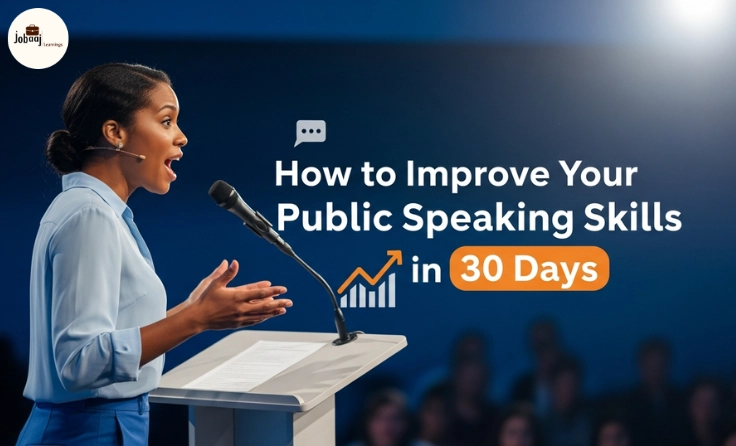
Public speaking is a common challenge for many people. Whether it’s presenting at work, speaking at a meeting, or even delivering a speech in front of an audience, the thought of speaking in public can create anxiety. But what if you could improve your public speaking skills in just 30 days? With the right techniques and consistent practice, you can build your confidence, engage your audience, and enhance your communication skills in a month.
In this blog, we’ll outline practical and actionable steps that will help you improve your public speaking abilities. Whether you’re preparing for an important presentation, a job interview, or simply looking to feel more confident when speaking in front of others, these tips will guide you to becoming a more effective and persuasive communicator.
Day 1-5: Build Your Foundation
Start with the Basics
The first step is all about getting comfortable with the idea of public speaking. Acknowledge the nerves and let them be a reminder that you’re on the right path to growth. Start small and begin practicing voice control, posture, and body language. These three elements will play a huge role in your overall presentation.
-
Practice Breathing: Breathing deeply helps calm your nerves and gives your voice strength. Try simple exercises like inhaling for four counts, holding for four counts, and exhaling for four counts. This will help you control your breath and project your voice confidently.
-
Posture is Key: Stand tall, shoulders back, and feet shoulder-width apart. Good posture not only makes you look more confident, but it will also help your voice carry further.
-
Warm-Up Your Voice: Practice vocal warm-ups to avoid sounding shaky or weak. You can start by humming or saying tongue twisters to loosen up your vocal cords.
During these first five days, you don’t have to do anything extreme. Just get into the habit of practicing these basic skills every day for 10–15 minutes.
Day 6-10: Know Your Content
Preparation Is Half the Battle
Now that you're starting to feel more confident in your posture and voice, it’s time to focus on preparing your speech or presentation. Knowing your material inside and out will give you the confidence to speak without relying too heavily on notes.
-
Create an Outline: Instead of writing a full script, create a simple outline of your key points. This allows you to speak naturally and engage with your audience instead of reading directly from a piece of paper.
-
Use Stories: People connect with stories much more than they connect with facts. Find a way to weave in personal stories or anecdotes related to your topic. Not only does it make your speech more relatable, but it also gives you a chance to practice speaking emotionally, which engages the audience more effectively.
-
Anticipate Questions: Think of possible questions your audience might ask. Preparing answers will not only boost your confidence but also make you feel more in control of the situation.
Day 11-15: Practice Speaking
Let’s Get Speaking
You’ve prepared your content and practiced your body language, but now it’s time to speak. The more you practice speaking, the better you’ll get.
-
Practice in Front of a Mirror: This will help you check your body language and facial expressions. Pay attention to how you move and ensure you're making eye contact with an imaginary audience.
-
Record Yourself: Listening to your voice and watching yourself can help you spot areas for improvement. You might find that you speak too quickly or don’t project your voice enough.
-
Find a Small Audience: Whether it’s a friend, family member, or colleague, practice delivering your speech to someone else. Ask for feedback on your tone, body language, and clarity.
Day 16-20: Focus on Delivery
Engage and Connect with Your Audience
By this point, you should have a good grasp on your speech content and delivery, but now it’s time to focus on how you deliver it. Public speaking is not just about saying the right words; it’s about how you make your audience feel.
-
Pace Yourself: Practice slowing down your speech. Often, nerves make us rush through our words, which can make us sound less confident. Take your time and pause between points. This gives your audience time to process what you’ve said and gives you a moment to gather your thoughts.
-
Use Gestures: Incorporating hand gestures can help emphasize your points and make you seem more passionate. However, be mindful not to overdo it—natural gestures work best.
-
Vary Your Tone: Avoid a monotone delivery by varying the pitch and rhythm of your voice. This will keep your audience interested and engaged.
Day 21-25: Handle Nervousness
Control Your Nerves
Even experienced speakers get nervous, so don’t be too hard on yourself if you’re still feeling anxious. The key is to acknowledge it, embrace it, and use it to your advantage.
-
Visualize Success: Take a few minutes each day to visualize yourself giving a successful presentation. Imagine your audience responding positively, clapping, or nodding along.
-
Focus on the Message: Rather than worrying about how you look or whether you’re making mistakes, focus on delivering your message and how it will benefit your audience. When you focus on the impact of your speech, the nerves tend to fade away.
-
Mindfulness: Use techniques like deep breathing or meditation to calm your nerves. These techniques will help you stay focused and grounded before stepping in front of an audience.
Day 26-30: Refine and Master
Make It Shine
By now, you’ve come a long way in your public speaking journey. During the final stretch, it’s time to refine your skills and perfect your performance.
-
Rehearse with Full Energy: Practice delivering your speech with enthusiasm, energy, and excitement. This will help you feel more natural when presenting in front of others.
-
Get Constructive Feedback: Rehearse in front of a trusted friend or mentor who can give you constructive feedback. Listen carefully to their suggestions and use it to improve.
-
Final Practice: In these last few days, focus on polishing the small details. Make sure your transitions between points are smooth, your pacing is steady, and your confidence shines through.
Conclusion
Improving your public speaking skills in just 30 days is completely achievable. It’s all about committing to consistent practice, refining your technique, and embracing the learning process. The journey to becoming a confident speaker doesn’t happen overnight, but with focused effort and dedication, you can dramatically improve your speaking ability in a month.
By following these steps, you’ll be well on your way to delivering powerful, engaging presentations that leave a lasting impact on your audience. Don’t forget, the most important part of public speaking is being yourself and connecting with your listeners. With these strategies, you’ll be able to master public speaking and feel confident doing so.
Frequently asked questions
How can I improve my public speaking skills in 30 days?
Start by practicing basic speaking techniques like posture, voice control, and breathing. Then, focus on preparing content thoroughly, practicing in front of a mirror or a small audience, and refining your delivery by using gestures and varying your tone. Finally, embrace your nerves and stay focused on the message.
What are some tips for overcoming speech anxiety?
Visualizing success, breathing deeply, and focusing on the message rather than the audience can help ease nerves. Additionally, practicing consistently and receiving constructive feedback from others will help build confidence.
How do I structure my speech effectively?
Start with a compelling introduction to grab attention, followed by the body of the speech where you present your main points. End with a strong conclusion that ties everything together and reinforces your message.
Can AI help with improving public speaking skills?
AI tools can help by analyzing your speech for areas of improvement, such as pacing, tone, and clarity. They can offer feedback and provide exercises to help you refine your delivery.
What’s the best way to practice public speaking?
Practice in front of a mirror, record yourself to evaluate your performance, and rehearse in front of friends or colleagues. The more you practice, the more natural and confident you’ll become.
How do I maintain confidence while speaking?
Focus on your message rather than on yourself. Remember that the audience is interested in what you have to say, not in judging you. Use positive affirmations, slow down, and breathe to maintain your composure.

Join 5,00,000+ Subscribers
Be a part of our ever growing community.