Categories














/content/learnings/assets/header/ManagementConsulting.svg)
/content/learnings/assets/header/InvestmentBanking.svg)



























/content/learnings/assets/header/programs/1.png)
/content/learnings/assets/header/programs/4.png)

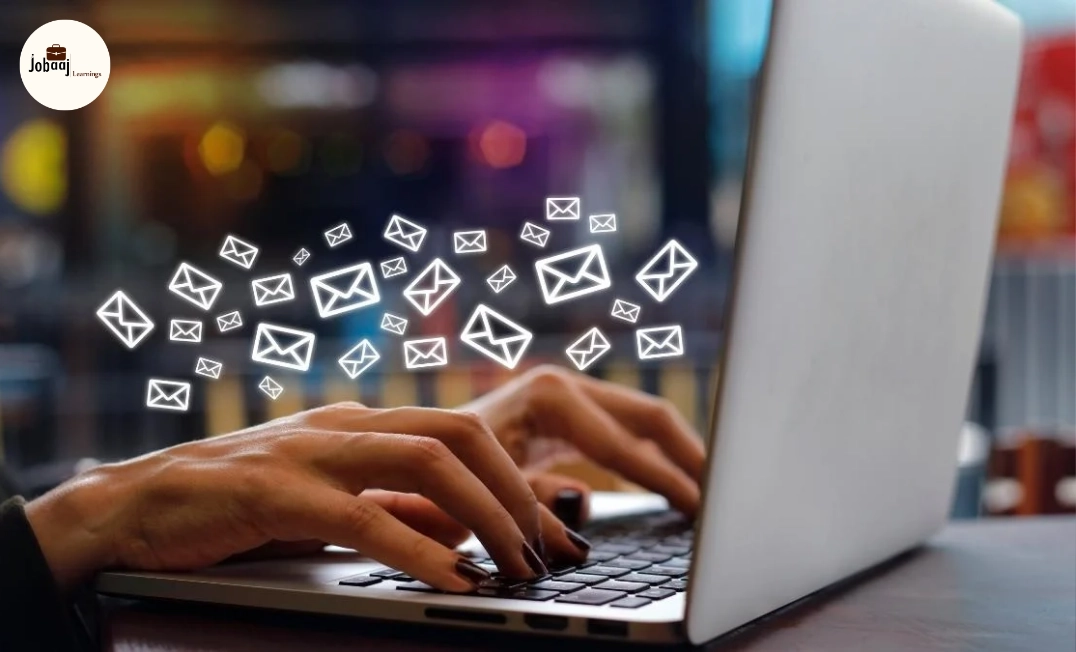
Email marketing has long been one of the most effective channels for driving customer engagement and conversions. With the rise of new communication tools and platforms, many marketers have questioned whether email marketing is still relevant. The truth is, email marketing remains a powerful tool for reaching audiences directly, fostering relationships, and driving sales if done correctly.
In this blog, we’ll explore the strategies that can improve email marketing engagement, ensuring your emails are opened, read, and acted upon. From personalization to optimizing send times, these tactics will help you create more engaging email campaigns that generate better results for your business.
Why is Email Marketing Engagement Important?
Before diving into the strategies, let’s understand why email marketing engagement is so crucial:
- Direct Communication: Unlike social media, emails are a one-on-one communication channel with your subscribers. Higher engagement means stronger relationships.
- Better ROI: Studies have shown that email marketing offers an average $42 return for every $1 spent. Engaging email campaigns directly contribute to higher conversion rates.
- Customer Retention: Engaging emails lead to better retention. When you send personalized, valuable content, your subscribers are more likely to stay loyal and continue interacting with your brand.
Now, let’s explore the most effective strategies for boosting email marketing engagement.
1. Personalize Your Emails
Personalization is no longer just a “nice-to-have” in email marketing it’s essential. Consumers today expect emails that are relevant and tailored to their specific needs, preferences, and behaviors. Personalized emails stand out in crowded inboxes and drive better results than generic ones.
Here’s how to personalize your emails effectively:
- Use Subscriber Data: Leverage data such as the subscriber's name, location, or past purchases. Simple personalizations like addressing the recipient by their first name can create a more personal and engaging experience.
- Segment Your Audience: Not all of your subscribers have the same interests. Use segmentation based on demographics, purchase history, or behavioral data to send relevant content to different groups.
- Tailor Content: Send tailored product recommendations, offers, and discounts based on previous interactions with your brand.
Example: An online clothing retailer sends personalized product recommendations based on previous purchases, increasing the chances of the customer clicking and buying.
2. Craft Compelling Subject Lines
Your subject line is the first thing recipients see, and it determines whether they’ll open your email or ignore it. A compelling subject line grabs attention, piques curiosity, and entices the recipient to open the email.
Here are some tips to improve your subject lines:
- Be Clear and Specific: Make sure the subject line clearly communicates what the email is about. People are more likely to open emails that seem relevant to them.
- Use Action-Oriented Words: Start with action verbs to create urgency and interest. Words like “get,” “discover,” or “unlock” encourage recipients to take action.
- Keep It Short: Aim for subject lines under 50 characters to ensure they’re fully visible on mobile devices.
- Test and Optimize: Try different subject lines using A/B testing to see which ones perform better.
Example: Instead of “Our latest offers,” try “Unlock 20% Off Your Next Purchase – Limited Time!”
3. Optimize Send Times
The time you send your emails can have a big impact on engagement. Send times affect open rates and can depend on factors such as:
- Time zone: Be mindful of the time zone of your audience.
- Work hours: Research suggests that emails sent between 10 AM to 12 PM or 1 PM to 3 PM (based on the recipient's time zone) tend to see higher open rates.
But there’s no one-size-fits-all solution. You should experiment with different times to see what works best for your audience. Use A/B testing to find the optimal send time for your list.
4. Segment Your Email List
Not all your subscribers are the same. Different groups will have different interests and engagement patterns. By segmenting your email list, you can send more relevant and targeted content, which will lead to higher engagement.
You can segment your email list based on:
- Demographics: Age, gender, location, etc.
- Behavior: Past purchases, browsing behavior, or engagement with previous emails.
- Engagement Level: Separate highly engaged subscribers from those who haven’t opened emails in a while.
Segmenting your list ensures you send the right message to the right people at the right time, increasing the chances of higher engagement.
5. Use Eye-Catching Design and Mobile Optimization
A well-designed email makes a huge difference in engagement. If your email looks professional, is easy to read, and includes visually appealing elements, your recipients are more likely to engage with it. Here’s what to focus on:
- Mobile-Friendly Design: Since more than 50% of emails are opened on mobile devices, ensure your emails are responsive and look great on smartphones and tablets.
- Clear Layout: Use a clean, easy-to-read layout with a single call-to-action (CTA). Keep your design simple, with enough white space, so it doesn’t overwhelm the recipient.
- High-Quality Images: Use high-quality images that load quickly and align with your message.
6. Include Engaging CTAs (Call-to-Action)
Your emails should always have a clear call-to-action (CTA) that directs the recipient on what to do next. The CTA should be engaging, visible, and actionable.
Best practices for CTAs:
- Be Direct: Use clear, concise language like “Buy Now,” “Shop the Sale,” or “Claim Your Discount.”
- Make It Stand Out: Use a button with a contrasting color that draws attention.
- Place it Above the Fold: Ensure your CTA is visible without the recipient having to scroll down, especially on mobile devices.
7. Leverage Automation
Email marketing automation allows you to deliver timely, personalized content to your subscribers without manually sending each email. Automation tools let you set up triggered emails based on certain actions or timelines.
Examples of automated emails include:
- Welcome Emails: Automatically sent when someone subscribes to your list.
- Abandoned Cart Emails: Sent when a customer leaves items in their cart without purchasing.
- Post-Purchase Emails: Sent after a customer completes a purchase, thanking them and offering related products.
Automation helps you engage your audience at the right moment without overwhelming them with irrelevant messages.
8. Test and Optimize
The key to improving email marketing engagement is constant testing. A/B test various elements of your emails such as subject lines, CTAs, images, and send times to see what resonates most with your audience.
Use tools like Google Analytics and email performance metrics (open rates, click-through rates, conversion rates) to track success and adjust accordingly.
Conclusion
Improving email marketing engagement isn’t an overnight process it requires ongoing effort, experimentation, and optimization. By personalizing your emails, crafting compelling subject lines, optimizing send times, and using data to guide your decisions, you can significantly improve your email marketing efforts.
With the strategies outlined above, you’ll not only increase engagement but also build stronger relationships with your audience, turning them into loyal customers.
Frequently asked questions
What is email marketing engagement?
Email marketing engagement refers to how actively recipients interact with the emails you send. This includes actions like opening the email, clicking on links, and completing desired actions like purchases or signups.
How can I improve my email marketing engagement?
You can improve email engagement by personalizing your emails, crafting compelling subject lines, optimizing send times, and segmenting your email list. Regular A/B testing and analyzing results will also help improve your engagement over time.
Why is segmentation important in email marketing?
Segmentation allows you to send relevant, targeted emails to different audience groups based on their behavior, demographics, or preferences. This results in higher engagement and more effective campaigns.
What is the best time to send marketing emails?
The best time to send marketing emails depends on your audience and industry. However, studies suggest that emails sent between 10 AM - 12 PM or 1 PM - 3 PM tend to have higher open rates. Experiment to find the optimal send time for your audience.
How does personalization improve email engagement?
Personalization increases engagement by making your emails more relevant to the recipient. By addressing them by name, offering tailored content, and sending messages based on their past behavior, you create a more meaningful connection with your audience.

Join 5,00,000+ Subscribers
Be a part of our ever growing community.