Categories

































Curious about what life as an investment banker is truly like? Set aside the glamorous Hollywood image of luxury and excess. The real world of investment banking is intense, high-pressure, and highly fulfilling—particularly in the rapidly changing financial landscape of 2026. In this article, we’ll walk you through a day in the life of an investment banker, explore the essential skills required, and uncover what it takes to succeed in this fast-moving and competitive field.
What Does an Investment Banker Actually Do?
Investment bankers act as financial advisors, helping corporations and governments raise capital and make strategic decisions. They work on complex transactions, connecting buyers and sellers in the financial marketplace. Think mergers and acquisitions (M&A), initial public offerings (IPOs), and debt financing – all involving enormous sums of money and intricate details.
1. M&A Advisory: Helping companies buy or sell other companies, valuing businesses, and negotiating deals.
2. Underwriting: Helping companies issue new securities (stocks or bonds) to raise capital, guaranteeing the sale of these securities to investors.
3. Debt Capital Markets: Advising companies on raising debt financing, such as loans or bonds.
4. Equity Capital Markets: Assisting companies in issuing equity (stock) to raise capital.
The type of work depends on the specific area of investment banking (M&A, equity capital markets, debt capital markets, etc.) and your seniority within the firm.
A Day in the Life :
No two days are exactly alike, but here's a possible scenario for an associate (a mid-level position) in 2026:
7:00 AM: Emails and news. Catching up on overnight market movements, reading financial news, and responding to urgent emails. The financial markets never sleep!
- Morning Meetings: Team meetings to discuss ongoing projects, deadlines, and strategies. Maybe a quick check-in with senior bankers.
- Analysis and Modeling: Spending several hours building complex financial models to value companies, assess deal feasibility, or prepare presentations for clients. This often involves using sophisticated software and data analysis.
- Client Interaction: Meetings (in-person or virtual) with clients, presenting findings, and discussing deal structuring. In 2026, virtual reality (VR) may even be involved for more immersive presentations!
- Pitch Preparation: Working on presentations for potential clients, showcasing the bank's capabilities and expertise, often needing to tailor this material to each specific client's unique needs.
6:00 PM: The day might end here, or extend late into the night, depending on deadlines and deal flow. Investment banking often involves long hours, especially during deal closings.
Technology in 2026: The role will likely be enhanced by AI and machine learning tools for data analysis and process automation, freeing up time for more strategic work. However, human interaction and critical thinking will still remain essential.
The Skills You Need to Thrive:
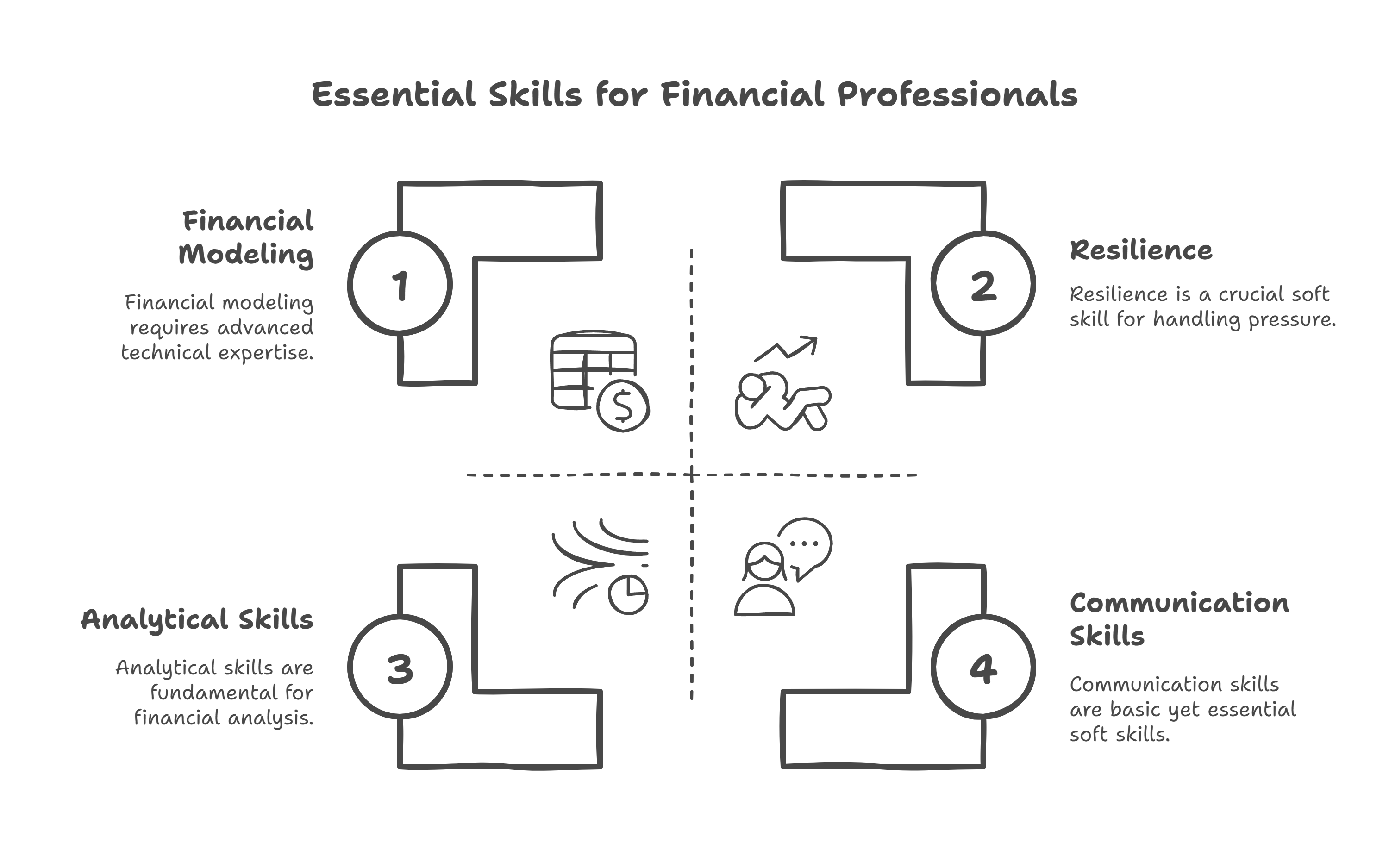
Analytical skills are crucial for analyzing financial statements and building models. Financial modeling itself is a highly sought-after skill. Communication skills (both written and verbal) are critical to interact with clients and present ideas effectively. Teamwork is essential, as most projects are collaborative efforts.
Beyond technical skills, resilience and the ability to work under pressure are vital, given the demanding nature of the job. Problem-solving skills are invaluable for navigating complex financial situations. And finally, a strong work ethic is a must.
Conclusion:
Being an investment banker in 2026 is a challenging but potentially highly rewarding career path. It demands dedication, expertise, and a passion for finance. If you're analytical, ambitious, and enjoy solving complex problems in a fast-paced environment, a career in investment banking might be the perfect fit for you. However, it is crucial to be aware of the long hours and intense work culture before making a career decision.
Dreaming of a finance career? Start with Investment Banking Certification with Jobaaj Learnings.
Frequently asked questions
What does a typical day look like for an investment banker in 2026?
In 2026, the typical day for an investment banker involves a mix of client meetings, financial analysis, and deal execution. While the traditional image of a banker in a suit still holds, technology plays a key role in modernizing daily tasks. Bankers rely heavily on advanced software for data analysis, financial modeling, and transaction management. While the hours are long, much of the work is collaborative, with teams working remotely or from different locations due to the flexibility provided by digital tools.
How have technology and automation impacted the role of an investment banker in 2026?
Technology has significantly transformed the role of an investment banker in 2026. Automation and AI have streamlined many routine tasks, such as financial modeling, data collection, and market analysis, allowing bankers to focus more on strategy and client relationships. Artificial intelligence aids in generating insights, making predictions, and optimizing deals. Additionally, blockchain technology is improving the efficiency and transparency of transactions, particularly in M&A and securities trading.
What are the skills required for an investment banker in 2026?
In 2026, investment bankers need a combination of traditional financial skills and new-age technical competencies. Strong knowledge of financial modeling, valuation techniques, and accounting principles remains essential. However, proficiency in data analysis, AI, machine learning, and blockchain is becoming increasingly important. Investment bankers also need to be adept at using financial software and digital platforms, as well as possessing excellent communication and negotiation skills to interact with clients and teams.
What industries are investment bankers focusing on in 2026?
In 2026, investment bankers are increasingly focusing on high-growth sectors like technology, fintech, renewable energy, and healthcare. The rise of **artificial intelligence**, **blockchain**, and **cybersecurity** continues to attract significant investment, while industries like **healthtech** and **green energy** are driving mergers and acquisitions. Investment bankers are also deeply involved in sustainability initiatives, guiding companies through the complexities of **ESG investing** (Environmental, Social, and Governance) and ensuring that their deals align with modern ethical standards.
How has work-life balance changed for investment bankers in 2026?
Work-life balance in investment banking has improved in 2026, thanks to flexible working arrangements and the widespread use of digital collaboration tools. While the industry is still demanding, advancements in technology have allowed investment bankers to work remotely or manage their schedules more efficiently. Firms are offering greater flexibility in terms of working hours, and there is a growing emphasis on mental health and well-being. This shift is encouraging a healthier balance between intense deal-making and personal time.

Join 5,00,000+ Subscribers
Be a part of our ever growing community.