Categories














/content/learnings/assets/header/ManagementConsulting.svg)
/content/learnings/assets/header/InvestmentBanking.svg)


























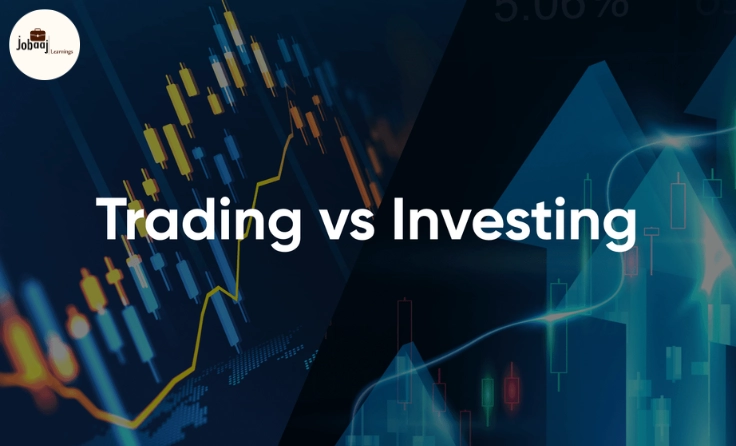
When it comes to growing your wealth in the financial markets, there are two major approaches that often come up: long-term investing and trading. Both strategies have their merits and drawbacks, and they appeal to different types of investors, depending on goals, risk tolerance, and time horizon. But what should really matter when deciding between these two?
Exploring a career in Investment Banking? Apply now!
In this blog, we will explore the key differences between long-term investing and trading, the factors to consider when choosing between the two, and the trade-offs you need to understand before making your choice. Let’s break it down step by step.
Understanding Long‑Term Investment
Long-term investing is all about patience. It’s the strategy where you put your money into assets, such as stocks, bonds, or real estate, with the intention of holding them for a significant period, often years or even decades. The idea is simple: invest in solid companies, sectors, or assets that have a good chance of growing over time, and let time work its magic.
For example, many successful long-term investors, like Warren Buffett, have built their wealth by buying shares in businesses they believe in and holding onto them for years. The value of those investments increases gradually as the companies grow, allowing investors to benefit from both the increase in stock prices and dividend payouts.
Key Characteristics of Long-Term Investment:
-
Time Horizon: Long-term investments are typically held for several years or even decades.
-
Compounding: Over time, the returns from your investments begin to compound, which can significantly grow your wealth.
-
Lower Frequency: Long-term investors tend to make fewer trades and hold onto their assets even during market downturns.
-
Lower Stress: Since long-term investors don’t have to monitor the markets every day, the approach tends to be less stressful.
Understanding Trading
On the other hand, trading is a more active approach where investors buy and sell securities over a shorter time frame, often making multiple trades in a single day or over a few weeks or months. Traders aim to capitalize on price fluctuations, buying low and selling high within a short period.
There are different types of traders, such as day traders, swing traders, and momentum traders, each with their unique strategies. Day traders, for instance, buy and sell securities within the same day, whereas swing traders hold positions for several days or weeks to capitalize on short-term price movements.
While trading can be highly profitable in the short run, it comes with a higher level of risk and stress, as markets can be unpredictable in the short term.
Key Characteristics of Trading:
-
Time Horizon: Traders often hold positions for days, hours, or even minutes.
-
Active Monitoring: Traders must actively monitor the markets, charts, and news to make quick decisions.
-
Risk and Reward: While trading can lead to high profits, it also comes with higher risks, especially if the market moves against your position.
-
Stress: The fast-paced nature of trading often leads to more stress compared to long-term investing.
Difference between Long-term Investment and Trading
|
Factor |
Long-Term Investment |
Trading |
|
Time Horizon |
Long-term (years or decades), focused on steady growth. |
Short-term (days, weeks, or minutes), focused on short-term profits. |
|
Risk Level |
Generally lower risk, as markets tend to rise over time. |
Higher risk, due to short-term market volatility. |
|
Goal & Returns |
Steady growth and compounding returns over time. |
Quick profits from price movements. |
|
Time Commitment |
Minimal, hands-off approach with occasional adjustments. |
High, requires constant monitoring of the market. |
|
Emotional Stress |
Low emotional stress, with a long-term focus. |
High stress, as traders need to react to fast market changes. |
|
Market Knowledge |
Focus on company fundamentals and long-term trends. |
Requires deep understanding of technical analysis and short-term market signals. |
|
Costs & Fees |
Lower transaction costs due to infrequent trading. |
Higher transaction costs due to frequent trades. |
What Factors Should Matter When Choosing Between Long-Term Investment and Trading?
When deciding which strategy to adopt, it’s essential to consider various factors that align with your personal financial goals, risk tolerance, and lifestyle. Here are some critical factors to keep in mind:
1. Time Commitment
One of the most significant differences between long-term investing and trading is the time commitment. Long-term investing is generally a more hands-off strategy. Once you make your investment decisions, you can let them grow over time with minimal intervention. You don’t have to constantly check the markets or make quick decisions.
In contrast, trading demands a lot more time and attention. It requires you to monitor the markets frequently, analyze stock charts, and stay updated on financial news and events that could affect the market.
If you have the time to dedicate and enjoy staying engaged with the markets, trading might be the right fit for you. However, if you have a busy schedule or prefer a less stressful approach, long-term investing could be a better option.
2. Risk Tolerance
Risk tolerance plays a crucial role in deciding whether you should invest for the long term or trade. Trading, especially day trading, involves higher risks due to the volatility and unpredictability of the markets in the short term. Even the most experienced traders can face losses, and it can be emotionally draining when trades don’t go as planned.
Long-term investing is generally seen as less risky, primarily because it allows you to weather market fluctuations over time. As long-term investors hold onto their assets, they can ride out short-term volatility, which tends to smooth out over the long run. The market may experience dips, but historically, it has tended to rise over extended periods.
If you’re comfortable with higher risk and can stomach the potential for significant short-term losses, trading might appeal to you. However, if you prefer a safer, more gradual growth strategy, long-term investing may align better with your financial goals.
3. Financial Goals
Your financial goals also play a significant role in deciding which strategy to pursue. If your aim is to build wealth gradually and you have a long time horizon (such as retirement), long-term investing can be an ideal choice. Long-term investments tend to provide steady growth through compounding, dividends, and the appreciation of assets.
If, however, you’re looking for faster, more immediate returns and are willing to accept the risk that comes with it, trading may offer more attractive short-term rewards. Traders often aim for quick profits, capitalizing on price fluctuations and market trends.
It’s important to define your financial goals clearly before deciding which strategy fits your needs.
4. Market Knowledge and Skills
Trading requires a deep understanding of the markets, charts, and trading strategies. You’ll need to be familiar with technical analysis, reading price patterns, and interpreting market signals to make informed decisions.
On the other hand, long-term investing is generally more straightforward. While you’ll still need to research the companies or assets you invest in, the focus is more on the fundamental strength of the investment rather than short-term price movements. Investors often use long-term metrics, such as revenue growth, debt levels, and profitability, to make decisions.
If you’re a beginner, you might find long-term investing to be more accessible. If you’re more experienced, or if you’re willing to put in the time to learn, trading could be an exciting challenge.
5. Emotional Resilience
Both investing and trading come with emotional challenges, but the intensity varies. Long-term investing requires patience and discipline as you watch your investments grow over time. You need to stay focused on your long-term goals, even when the market experiences dips or volatility.
Trading, however, is much more emotional. The fast pace and short-term focus can lead to impulsive decisions driven by fear or greed. Traders often need to handle stress, fear of missing out (FOMO), and the emotional rollercoaster of wins and losses. It requires a cool head, a strong mindset, and the ability to make decisions without getting swayed by emotions.
Conclusion
In the end, whether you choose long-term investing or trading depends on your individual goals, risk tolerance, and lifestyle. Long-term investing is a strategy that works well for those who seek gradual growth and are comfortable with a hands-off approach. On the other hand, trading can be highly rewarding for those who are comfortable with risk, have the time and knowledge to monitor the markets, and are seeking short-term profits.
Before jumping into either strategy, it’s essential to understand your personal preferences, the level of commitment you’re willing to make, and how much risk you’re comfortable taking on. Both approaches have the potential to lead to financial success—but only if they align with your goals and how you want to engage with the markets.
Dreaming of a Finance career? Start with Investment Banking Certification with Jobaaj Learnings.
Frequently asked questions
What is the difference between long-term investment and trading?
Long-term investment involves holding assets for an extended period (years or decades), focusing on steady growth and compounding returns. Trading, on the other hand, involves buying and selling assets over a shorter time frame, aiming to profit from short-term price fluctuations.
Which is riskier: long-term investment or trading?
Trading is generally riskier than long-term investment due to its short-term nature and higher volatility. While long-term investment can weather market ups and downs, trading requires quick decision-making and can result in significant losses within a short time period.
How do I decide which strategy is right for me?
Your decision depends on your risk tolerance, financial goals, and the time you can dedicate to managing your investments. If you're looking for gradual growth and a hands-off approach, long-term investment is likely a better choice. If you're looking for quick returns and are willing to accept higher risks, trading may be more suitable.
Can I do both long-term investing and trading?
Yes, it's possible to incorporate both strategies into your financial plan. Many investors choose to allocate a portion of their funds to long-term investments and another portion for short-term trading. This balanced approach allows for both growth and short-term profits, depending on your goals.
How can I minimize the risks in trading?
Minimizing risks in trading involves proper research, setting stop-loss limits, using risk management tools, and sticking to a trading plan. It's also important to avoid emotional decisions and only trade with money you can afford to lose.
What are the tax implications of long-term investment vs trading?
Long-term investments are often taxed at a lower rate due to capital gains tax benefits, as assets held for over a year may qualify for long-term capital gains rates. In contrast, profits from trading may be taxed at higher short-term capital gains rates, which are similar to ordinary income tax rates.

Join 5,00,000+ Subscribers
Be a part of our ever growing community.