Categories









































Imagine you’ve just landed your first data science project. You’re ready to dive in, but there’s one question you can’t ignore: Which programming language should you use? Should you go with Python, the powerhouse of general-purpose programming, or R, the statistical programming language with deep roots in academia? The choice isn’t always easy. Both languages are highly popular in the data science community, but each comes with its own strengths and nuances.
Exploring a career in Data Analytics? Apply Now!
As a beginner, it might seem daunting to pick one over the other. Each language has its own ecosystem of libraries, tools, and community support, which is why many aspiring data scientists face a dilemma. The decision you make can affect your learning curve, your approach to problems, and the tools you use to find solutions. So, which one is truly better for data science? Let’s break it down.
Python: The Versatile Powerhouse
Python has become the go-to programming language for a wide range of applications, from web development to artificial intelligence. In the world of data science, Python’s popularity continues to rise, and for good reason.
1. General-Purpose and Versatile
Python is a general-purpose language, meaning that it’s not just used for data science. You can use it for automation, web scraping, building web apps, and even software development. This versatility allows Python users to tackle data science tasks alongside other development work, making it a great all-in-one solution for those who need flexibility.
2. Libraries and Frameworks
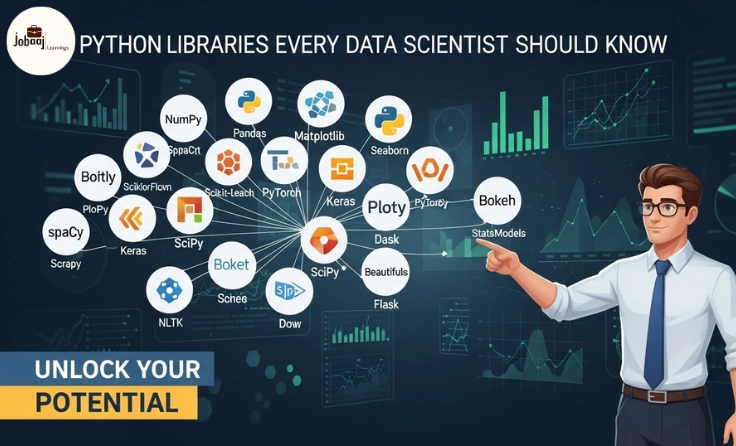
Python boasts a rich ecosystem of libraries for data science, including:
-
Pandas for data manipulation
-
NumPy for numerical computing
-
Matplotlib and Seaborn for data visualization
-
SciPy for scientific computing
-
Scikit-learn for machine learning
-
TensorFlow and PyTorch for deep learning
These libraries make it easy to handle everything from basic data manipulation to building sophisticated machine learning models.
3. Community Support
Python’s huge and diverse community provides extensive resources, including tutorials, forums, and documentation. Whether you’re stuck on a coding problem or need help with libraries, there’s a wealth of support available for Python developers.
R: The Statistical Expert
On the other hand, R has a rich history in statistical computing and is deeply embedded in the world of academia and research. For those looking to perform complex statistical analysis or data visualization, R shines in these areas.
1. Designed for Statistics
R was specifically designed for statistical analysis, making it the language of choice for statisticians and researchers. It provides a vast range of built-in statistical functions and supports advanced analysis, making it ideal for those who need to work with sophisticated statistical models.
2. Data Visualization
R has excellent capabilities when it comes to data visualization, with tools like:
-
ggplot2 for creating beautiful and customizable plots
-
Shiny for building interactive web applications
These tools are highly valued by data scientists who need to explore data and present their findings through compelling visualizations.
3. Specialized Libraries
R has a strong focus on data manipulation and statistical computing. Libraries such as dplyr, tidyr, and caret make it easy to work with data, and R’s support for big data analytics is increasingly being explored as well.
Python vs R: Performance and Usability
When comparing Python vs R in terms of performance, both languages perform well with medium-sized data sets. However, when it comes to big data, Python often holds an edge due to its integration with distributed computing frameworks like Apache Spark.
In terms of usability, Python’s syntax is easier for beginners to pick up. Its code is generally more readable and intuitive, making it a great option for those just starting their coding journey. R, on the other hand, can be a bit more challenging for newcomers but offers a depth of functionality for statisticians and advanced users.
Machine Learning and AI: Python Takes the Lead
When it comes to machine learning and artificial intelligence (AI), Python is the clear leader. With libraries like TensorFlow, Keras, and Scikit-learn, Python provides an extensive toolkit for developing machine learning models. Its ease of use and flexibility make it the preferred choice for professionals working on AI and machine learning projects.
While R does have some machine learning libraries (such as caret and randomForest), Python’s integration with deep learning libraries and the sheer number of AI frameworks make it more suitable for cutting-edge machine learning tasks.
Conclusion: Python vs R – Which is Better for You?
So, Python vs R — which one is better for data science? The answer largely depends on your specific needs.
-
Choose Python if you’re looking for an all-in-one solution that allows you to seamlessly integrate data science with other areas of development, or if you’re diving into machine learning and AI. Its versatility and rich libraries make it the go-to choice for most data scientists.
-
Choose R if your work is focused more on statistical analysis, data visualization, or if you're in an academic or research setting where R’s specialized statistical tools are indispensable.
Both languages have their strengths and can complement each other in certain projects. Ultimately, it’s important to choose the language that aligns with your career goals and the types of projects you’ll be working on.
Dreaming of a Data Analytics Career? Start with Data Analytics Certificate with Jobaaj Learnings.
Frequently asked questions
What is the main difference between Python and R for data science?
Python is a general-purpose language with vast libraries for data science, machine learning, and AI. R, on the other hand, is designed specifically for statistical analysis and is preferred for complex data visualizations and statistical modeling.
Which language is easier to learn for a beginner?
Python is generally easier for beginners due to its simple syntax and widespread use. R has a steeper learning curve, particularly for those unfamiliar with statistical analysis, but it is highly powerful for advanced statistical tasks.
Can Python and R be used together?
Yes! Many data scientists use both Python and R in different parts of a project. For example, you might use Python for machine learning and R for statistical analysis or data visualization. There are tools available that allow you to run R code from within Python.
Is R better for data visualization than Python?
R, with libraries like ggplot2, is considered one of the best languages for creating customizable and complex visualizations. Python has strong visualization libraries like Matplotlib and Seaborn, but R offers more advanced options for high-quality graphics.
Which language should I learn first for data science?
If you're starting from scratch, Python is often recommended because of its ease of use, versatility, and strong community support. However, if you’re planning on focusing heavily on statistics or academia, R may be a good option.
Which language is preferred for machine learning: Python or R?
Python is the preferred choice for machine learning and AI due to its extensive libraries like TensorFlow, Keras, and Scikit-learn, and its seamless integration with various machine learning frameworks.

Join 5,00,000+ Subscribers
Be a part of our ever growing community.