Categories











/content/learnings/assets/header/ManagementConsulting.svg)
/content/learnings/assets/header/InvestmentBanking.svg)
























How to Evaluate the Impact of Macroeconomic Factors on Business Performance: Full Guide

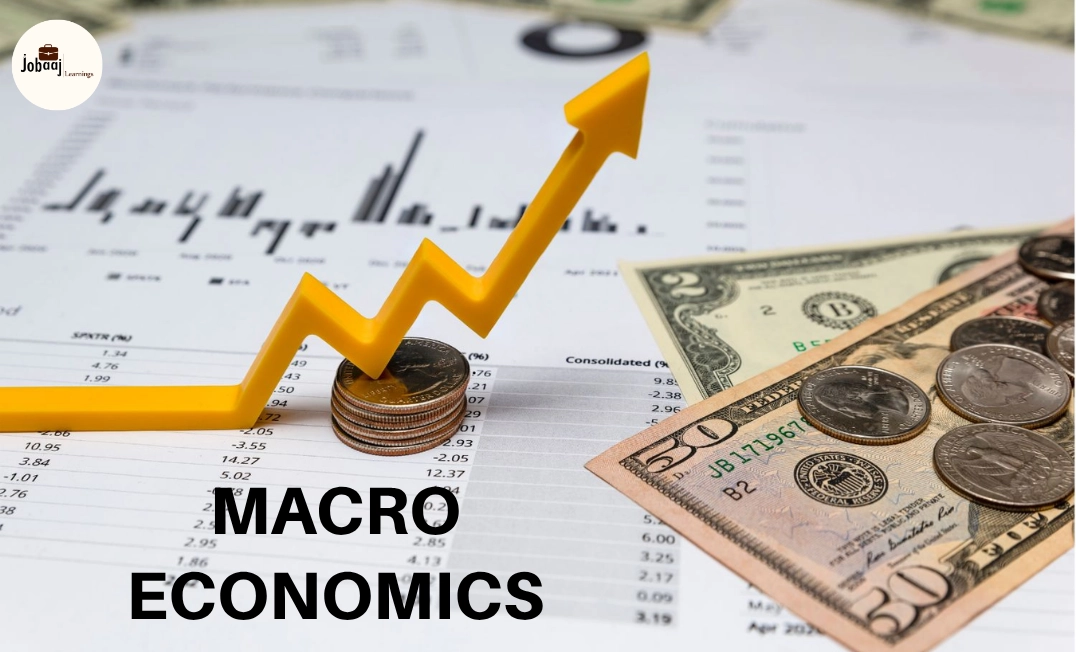
Businesses do not operate in a vacuum. Even the most well-planned strategies can be influenced by forces far beyond a company’s control. Macroeconomic factors such as inflation, interest rates, GDP growth, and employment levels shape the environment in which businesses operate. Understanding and evaluating these factors is critical for making smart, informed financial and operational decisions.
Exploring a career in Investment Banking? Apply now!
In this guide, we’ll explain what macroeconomic factors are, why they matter, how they influence business performance, and practical methods to evaluate their impact all in easy-to-understand language.
What Are Macroeconomic Factors?
Macroeconomic factors are broad economic conditions that affect the entire market or economy. Unlike microeconomic factors, which are company-specific (like pricing or production costs), macroeconomic factors shape the overall environment in which all businesses operate.
Common macroeconomic factors include:
- GDP Growth: Indicates overall economic expansion or contraction. Strong growth often boosts sales and investments.
- Inflation: Affects purchasing power, production costs, and pricing strategies.
- Interest Rates: Influence borrowing costs for businesses and consumers.
- Exchange Rates: Impact international trade and profitability for importers/exporters.
- Unemployment Levels: Reflect consumer spending potential and labor market health.
- Government Policies & Fiscal Measures: Taxes, subsidies, and regulations can directly affect costs, compliance, and operations.
- Global Trends & Geopolitics: Trade agreements, commodity prices, or global economic crises can ripple into local business performance.
Example: A rise in inflation increases input costs for a manufacturer. If the company cannot pass these costs to customers, profit margins shrink.
Why Macroeconomic Evaluation Matters
Businesses that fail to monitor and analyze macroeconomic conditions are at risk of strategic missteps, financial losses, and missed opportunities. Evaluating macroeconomic impact helps in:
- Strategic Planning: Helps align business goals with economic realities.
- Risk Mitigation: Anticipates potential challenges due to economic volatility.
- Financial Forecasting: Incorporates external economic conditions into revenue and profit projections.
- Investment Decisions: Identifies favorable conditions for expansion or cost-cutting measures.
- Market Responsiveness: Enables timely responses to shifts in demand, costs, or regulations.
Example: A retail chain monitoring GDP growth and unemployment levels can predict changes in consumer spending and adjust inventory or marketing strategies accordingly.
How Macroeconomic Factors Influence Business Performance
Each factor affects businesses differently:
- GDP Growth: Higher GDP often means higher demand for products and services. Slow growth can reduce revenue potential.
- Inflation: Rising costs for raw materials, salaries, and overhead may force price adjustments or reduce profit margins.
- Interest Rates: High rates make loans more expensive, affecting capital investment and consumer spending on credit.
- Exchange Rates: Currency depreciation can increase import costs but may boost export competitiveness.
- Unemployment: Higher unemployment lowers consumer spending; lower unemployment may drive wage pressures.
- Government Policies: New taxes, incentives, or regulatory changes can affect operational costs or market entry.
Practical Steps to Evaluate Macroeconomic Impact
Step 1: Identify the Relevant Factors
Focus on the variables that directly influence your business or industry. For example:
- Manufacturing: raw material prices, interest rates, trade tariffs
- Retail: consumer spending, inflation, employment levels
- Export-Import: exchange rates, global economic conditions, trade policies
Step 2: Collect and Monitor Data
Use credible sources to gather economic data:
- RBI, SEBI, Ministry of Finance (India)
- World Bank, IMF, OECD (Global)
- Financial portals like Bloomberg, Economic Times, Moneycontrol
Track historical trends as well as current indicators.
Step 3: Analyze the Relationship to Business Performance
Use methods like:
- Correlation Analysis: Check how revenue or profits historically reacted to economic changes.
- Scenario Planning: Create best-case, worst-case, and moderate scenarios for each macro factor.
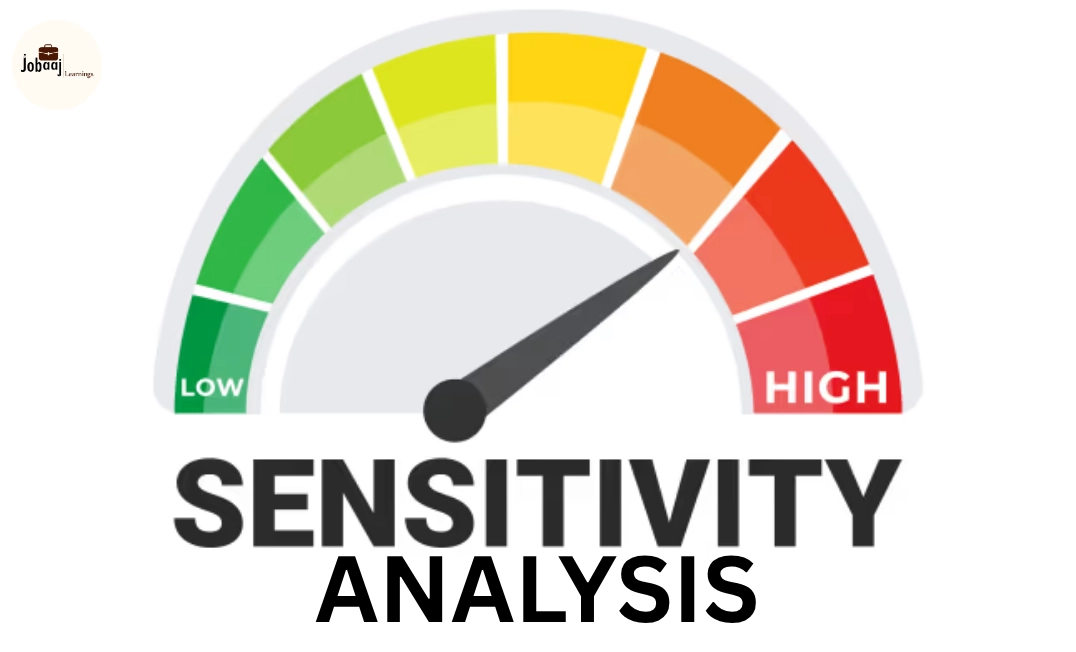
- Sensitivity Testing: Measure how much a change in one factor (like inflation) affects profits or costs.
Example: A 1% rise in interest rates may historically reduce consumer loans by 5%, helping banks forecast revenue changes.
Step 4: Apply Insights to Strategic Decisions
Based on analysis:
- Adjust budgets and forecasts
- Revisit pricing and cost strategies
- Plan investments or expansions
- Develop contingency measures
Example: If rising inflation is expected, a company may lock in long-term supplier contracts to control costs.
Step 5: Visualize and Communicate Findings
- Use dashboards, charts, or heatmaps to present data to management or investors.
- Highlight high-impact factors and their potential range of impact.
- Make insights actionable: what strategies or changes are recommended based on these findings?
Tools to Use
- Excel / Google Sheets for trend and correlation analysis
- Power BI or Tableau for visual dashboards
- Statistical software: R, Python, or SPSS for modeling
- Economic news and data aggregators for continuous updates
Best Practices
- Focus on most relevant macro factors for your industry.
- Combine historical data with forward-looking indicators.
- Integrate scenario and sensitivity analysis to model uncertainty.
- Review findings regularly, especially during volatile economic periods.
- Communicate insights in a simple, visual, and actionable format.
Conclusion
Evaluating the impact of macroeconomic factors is essential for resilient and strategic business planning. By identifying key variables, analyzing data, modeling scenarios, and applying insights, companies can:
- Anticipate economic risks
- Plan proactively for volatility
- Optimize investments and operational decisions
- Maintain competitiveness in changing markets
In essence, it transforms external uncertainty into actionable intelligence, enabling businesses to make better decisions and drive sustainable growth.
Dreaming of a Finance career? Start with Investment Banking Certification with Jobaaj Learnings.
Frequently asked questions
What are macroeconomic factors in business?
Macroeconomic factors are large-scale economic elements like GDP growth, inflation, interest rates, and unemployment that affect overall business performance and market conditions.
Why is it important to evaluate macroeconomic impact?
It helps businesses anticipate risks, plan strategies, make informed decisions, and adapt to changing economic conditions to remain competitive and profitable.
How do macroeconomic factors affect business performance?
Factors like inflation, interest rates, and GDP growth can influence revenue, costs, pricing, consumer demand, and investment decisions, impacting overall profitability.
What methods are used to evaluate macroeconomic impact?
Common methods include correlation analysis, scenario planning, sensitivity testing, financial modeling, and using historical and forward-looking economic data.
Which tools can help analyze macroeconomic factors?
Excel, Google Sheets, Power BI, Tableau, and statistical software like R, Python, or SPSS are commonly used to analyze trends and model potential impacts.
Join 5,00,000+ Subscribers
Be a part of our ever growing community.