Categories














/content/learnings/assets/header/ManagementConsulting.svg)
/content/learnings/assets/header/InvestmentBanking.svg)



























/content/learnings/assets/header/programs/1.png)
/content/learnings/assets/header/programs/4.png)

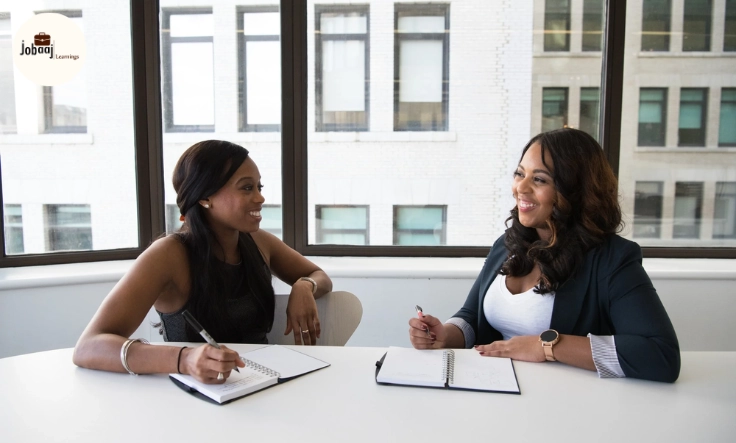
Ever walked into a job interview feeling confident about your technical skills, only to leave feeling like something was missing? Chances are, it wasn’t your coding skills or your spreadsheet expertise that let you down—it was probably the “soft stuff.”
In today’s competitive job market, technical skills are crucial, no doubt. But they’re only part of the equation. Soft skills are the secret sauce that can really set you apart and make you stand out from the crowd.
Exploring a career in Product Management? Apply Now!
Why Soft Skills Matter
Think about it: employers aren't just hiring robots to perform tasks. They're looking for people who can fit into their company culture, communicate effectively, and solve problems creatively.
These are all soft skills. They're the human touch that transforms a technically proficient candidate into a valuable team member.
Let’s say two candidates apply for a software developer role. Both have similar technical skills, but one demonstrates exceptional communication and teamwork skills during the interview.
Who do you think gets the job? More often than not, it's the candidate with the stronger soft skills.
Showcasing Your Soft Skills

So, how do you showcase these all-important soft skills during an interview? Here are a few tips:
- Tell Stories: Don't just list your soft skills. Use the STAR method to tell compelling stories that demonstrate your abilities. A good story about resolving a conflict or leading a team project can speak volumes.
- Be Prepared: Think about the specific soft skills required for the role you're applying for. Practice answering common interview questions using examples that highlight those skills. This preparation will help you articulate your strengths effectively.
- Body Language Speaks: Your body language can communicate as much as your words. Maintain eye contact, smile genuinely, and offer a firm handshake. These small gestures can make a big difference in how you’re perceived.
- Ask Thoughtful Questions: Asking insightful questions shows your genuine interest in the role and the company. It also demonstrates your active listening skills and intellectual curiosity. Prepare a few questions in advance to show you've done your homework.
For instance, if you're interviewing for a project management role, you might share a story about how you successfully navigated a challenging team dynamic. This shows your leadership and problem-solving abilities in action.
Or, if you're applying for a customer service position, you could discuss a time when you went above and beyond to resolve a customer issue. This highlights your communication and empathy skills.
Beyond the Interview
Soft skills aren't just important for landing the job – they're essential for career advancement too.
In the workplace, strong communication, collaboration, and adaptability are crucial for success. These skills enable you to build relationships, navigate complex situations, and contribute effectively to team goals.
So, as you prepare for your next interview, remember that technical skills are just the foundation. It's your soft skills that will truly set you apart and pave the way for a successful career.
Invest time in developing and showcasing these essential abilities. You’ll find they're just as important as the hard skills you've worked so hard to acquire.
Dreaming of a Product Management Career? Start with Product Management Certificate with Jobaaj Learnings.
Frequently asked questions
What are soft skills?
Soft skills are interpersonal skills like communication, teamwork, problem-solving, and critical thinking. They're essential for workplace success and are highly valued by employers.
Why are soft skills important in interviews?
Hiring managers look beyond technical skills. Soft skills demonstrate your ability to collaborate, communicate effectively, and navigate workplace challenges, making you a more desirable candidate.
How can I showcase my soft skills in an interview?
Use the STAR method (Situation, Task, Action, Result) to answer behavioral interview questions. Provide specific examples demonstrating your soft skills in action.
What are some common behavioral interview questions?
Expect questions like 'Tell me about a time you failed,' 'Describe a time you worked on a team,' or 'How do you handle conflict?' Prepare relevant examples beforehand.
How can I improve my soft skills before my next interview?
Practice active listening, join a team project, volunteer, or take online courses focusing on communication and problem-solving. Seek feedback to identify areas for improvement.

Join 5,00,000+ Subscribers
Be a part of our ever growing community.