Categories





































In the world of finance, few credentials hold the prestige and recognition of the Chartered Financial Analyst (CFA) designation. If you're considering a career in investment management, corporate finance, or any finance-related field, the CFA charter is more than just a qualification it's a gateway to a world of opportunities.
But becoming a CFA charterholder is no easy feat. It requires years of hard work, dedication, and a commitment to excellence. However, for those who succeed, the CFA charter opens doors to a wealth of professional and personal rewards. Whether you're looking to enhance your career, build a strong network, or gain an edge in the highly competitive finance industry, the CFA charter provides significant benefits that can help you achieve your goals.
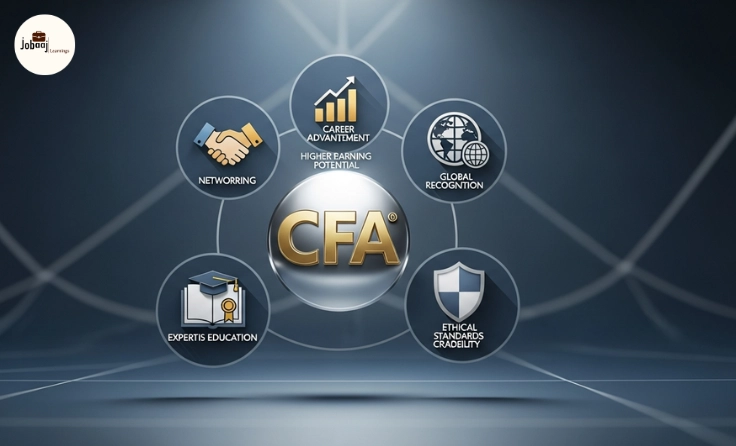
In this blog, we’ll explore the top benefits of becoming a CFA charterholder, from career advancement to earning potential and global recognition. By the end, you’ll understand why so many financial professionals are eager to take on the challenge and earn the prestigious CFA designation.
1. Enhanced Career Opportunities
One of the most compelling reasons to become a CFA charterholder is the expanded career opportunities it provides. In the finance industry, the CFA designation is widely recognized as a mark of professional excellence. It signals to employers, clients, and colleagues that you possess a deep understanding of finance, investments, and analysis.
CFA charterholders are in high demand across a variety of fields, including investment management, portfolio management, equity research, corporate finance, risk management, private equity, and hedge funds. The knowledge and skills gained through the CFA program allow you to pursue senior-level roles, manage investment portfolios, or even become an expert in asset allocation and market analysis. As a result, you open yourself up to a wider range of career paths and promotions, especially in prestigious investment firms and financial institutions.
2. Higher Earning Potential
When it comes to earning potential, CFA charterholders tend to earn more than their non-certified peers. According to various salary surveys, those with the CFA designation typically earn higher base salaries and bonuses, particularly in roles like portfolio manager, investment analyst, and research director.
The CFA charter is often associated with higher-paying roles in asset management, investment banking, and corporate finance. For example, in investment management, a CFA charterholder can earn significantly more compared to those without the credential, thanks to their specialized knowledge and ability to make informed, data-driven investment decisions.
While becoming a CFA charterholder involves an investment of time and money, the return on investment is substantial. Higher salaries and performance-based bonuses are just the beginning many charterholders also enjoy the job security and stability that comes with their advanced expertise and global recognition.
3. Global Recognition and Credibility
The CFA designation is globally recognized, and this can be a major advantage if you're looking to work abroad or with multinational clients. With over 180,000 CFA charterholders in more than 160 countries, the program’s reputation transcends geographic boundaries.
Employers and clients worldwide know that CFA charterholders adhere to the highest ethical standards and have a deep knowledge of investment analysis, making them highly valuable in any financial market. Whether you’re in New York, London, Hong Kong, or Dubai, the CFA designation is recognized as a mark of prestige and expertise.
Having a CFA charter under your belt can give you the global mobility to work with top financial firms, contribute to international investment strategies, and collaborate with colleagues and clients from diverse backgrounds. This global recognition can open doors to international career opportunities that might otherwise be inaccessible.
4. In-Depth Knowledge and Expertise
The CFA program is designed to give you a deep understanding of financial analysis, investment management, and economic principles. The curriculum covers a wide range of topics, including:
-
Corporate finance
-
Fixed income
-
Equity investments
-
Derivatives
-
Alternative investments
-
Economics
-
Financial reporting and analysis
-
Ethics and professional standards
Through a combination of coursework and real-world application, the CFA program ensures that you develop the technical expertise needed to excel in finance. As a CFA charterholder, you will have a comprehensive understanding of financial markets and instruments, investment strategies, and the economic environment that drives decision-making.
The in-depth knowledge gained through the program allows you to take on more complex financial challenges and create effective investment strategies for clients. Whether you’re analyzing market trends or advising clients on investment decisions, your expertise will be invaluable.
5. Ethical Standards and Professional Integrity
One of the most important aspects of the CFA program is its emphasis on ethics and professional standards. As a CFA charterholder, you are held to a high standard of integrity, which is essential in building trust with clients, colleagues, and employers.
The CFA Institute’s Code of Ethics and Standards of Professional Conduct outlines the ethical responsibilities of financial professionals. By following these guidelines, CFA charterholders demonstrate their commitment to honesty, transparency, and client-focused decision-making. This is crucial in a field like finance, where conflicts of interest and ethical dilemmas can arise frequently.
Having the CFA designation signals to clients and employers that you have been rigorously trained in ethical decision-making, which enhances your credibility and trustworthiness in the industry. As a result, clients are more likely to trust your judgment, and employers will see you as a valuable asset to their organization.
6. Networking and Professional Community
Becoming a CFA charterholder also connects you to a global network of like-minded professionals. The CFA Institute and its local societies host numerous events, conferences, and seminars that offer valuable opportunities to meet fellow charterholders, industry leaders, and potential employers.
This network provides access to:
-
Exclusive industry events
-
Mentorship opportunities
-
Job opportunities
-
Continuous learning and professional development
As a CFA charterholder, you will be part of a prestigious group of finance professionals, making it easier to build relationships, collaborate on projects, and stay informed about the latest trends and developments in the industry.
7. Personal Development and Confidence
The journey to becoming a CFA charterholder is not just about professional growth; it’s also a path to personal development. The rigorous curriculum and the discipline required to complete the program will challenge you and help you grow both intellectually and professionally.
After passing the exams and earning the CFA charter, you’ll have a sense of accomplishment that enhances your confidence in your abilities. Whether you’re facing clients, managing portfolios, or negotiating deals, the confidence that comes with being a CFA charterholder will help you succeed in any situation.
Conclusion
Becoming a CFA charterholder is more than just a professional milestone; it’s a pathway to new opportunities, higher earning potential, and global recognition. With the skills and knowledge gained through the CFA program, you’ll be equipped to take on complex financial challenges and advance in your career.
Whether you’re looking to work in investment management, corporate finance, or any other area of finance, the CFA designation provides the tools you need to stand out in a competitive industry. The benefits of becoming a CFA charterholder extend beyond just a title they offer a lifetime of personal and professional rewards, including the chance to join a global network of finance professionals committed to the highest standards of integrity and excellence.
Frequently asked questions
What is the CFA charterholder designation?
The CFA designation is awarded by the CFA Institute to individuals who complete a rigorous program of study and pass a series of exams in investment management, finance, and ethics. It’s recognized globally as a mark of expertise and integrity in the finance industry.
How does the CFA designation impact my career?
Becoming a CFA charterholder can significantly boost your career prospects. It opens doors to higher-paying roles, greater job security, and global career opportunities in areas like investment management, corporate finance, and consulting.
What skills will I gain as a CFA charterholder?
As a CFA charterholder, you’ll gain expertise in investment analysis, portfolio management, financial reporting, and ethical decision-making. The program equips you with the knowledge and skills needed to navigate complex financial problems and make informed decisions.
How does the CFA charter improve my earning potential?
CFA charterholders typically earn higher salaries and bonuses compared to their non-certified peers. The designation is associated with senior-level roles in investment management and corporate finance, where earning potential is higher.
What is the CFA Institute's Code of Ethics?
The CFA Institute’s Code of Ethics and Standards of Professional Conduct outlines the ethical responsibilities of CFA charterholders. It emphasizes integrity, transparency, and putting the client’s interests first, which helps build trust with employers and clients.
How can I network as a CFA charterholder?
As a CFA charterholder, you gain access to a global network of finance professionals. The CFA Institute and local societies organize events, conferences, and seminars that provide opportunities for mentorship, job networking, and continuous learning.

Join 5,00,000+ Subscribers
Be a part of our ever growing community.