Categories









































In today's fast-paced digital world, web development is one of the most sought-after skills. Whether you're building your own website, pursuing a career as a developer, or simply want to understand the ins and outs of creating a website, understanding web development is key. But with so many technologies, frameworks, and languages out there, it can feel overwhelming.
Exploring a career in Web Development? Apply now!
In this blog, we’re going to break down web development into simple terms, offering tips and techniques that will help you succeed in 2026. Whether you're a beginner or someone looking to refine your skills, these insights will set you up for success.
What is Web Development?
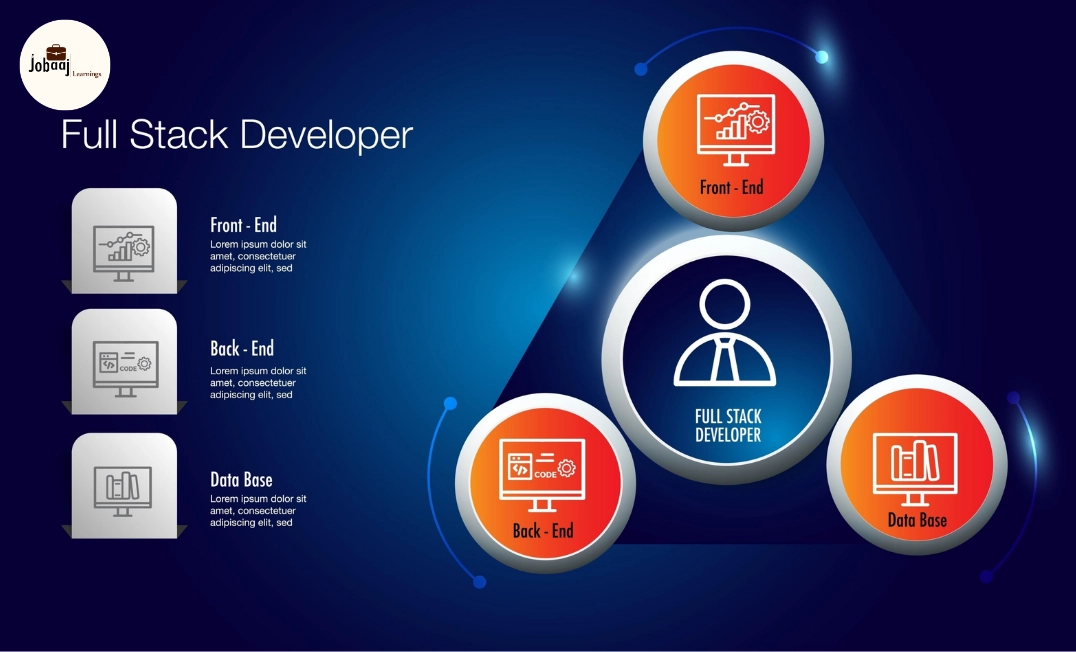
At its core, web development is the process of building and maintaining websites. It involves everything from creating simple static pages to complex, dynamic web applications. Web development can be divided into three main categories:
-
Front-End Development: This is everything that the user interacts with directly in their browser. It includes the layout, design, and overall user experience (UX) of the website.
-
Back-End Development: The back-end is responsible for the functionality and logic behind the scenes. It includes databases, servers, and application logic.
-
Full-Stack Development: Full-stack developers are proficient in both front-end and back-end development, creating a complete, functioning web application.
Tips for Success in Web Development
Now, let’s dive into some essential tips that will help you succeed in web development. Whether you're just starting or are looking to enhance your skills, these tips will guide you to success.
1. Start with the Basics: HTML, CSS, and JavaScript
If you're just starting out, the first step is to get comfortable with the basics:
-
HTML (HyperText Markup Language): The building block of web development. HTML defines the structure and content of your website (text, images, links, etc.).
-
CSS (Cascading Style Sheets): CSS controls the appearance of your website, such as the layout, fonts, colors, and spacing. It makes your website look beautiful.
-
JavaScript: This language adds interactivity to your website. Whether it's a pop-up message or a dynamic form, JavaScript brings your website to life by responding to user actions.
By mastering these three technologies, you'll be able to create basic websites. These skills form the foundation for everything you’ll learn next.
2. Learn About Responsive Web Design
In 2026, more than 80% of internet users access websites from mobile devices. This means having a responsive website one that looks and works well on any device (mobile, tablet, desktop) is crucial for your success.
-
Use CSS Media Queries: Media queries allow you to apply different styles depending on the device's screen size.
-
Mobile-First Design: Begin designing your website for smaller screens, then adjust it for larger screens. This is an essential concept for modern web development.
-
Frameworks like Bootstrap: These can help you create responsive layouts quickly, so you don't have to reinvent the wheel.
By learning how to create responsive websites, you’ll ensure your users have a great experience, no matter how they access your site.
3. Master Version Control with Git
Version control is an essential skill for web developers. It allows you to track changes in your code, collaborate with other developers, and easily revert to earlier versions of your work. Git is the most popular version control system, and GitHub is widely used for code collaboration.
-
Track Changes: Keep track of every change made to your codebase.
-
Collaborate with Teams: Git makes it easier to work on the same codebase with other developers without overwriting each other's work.
-
Deploy Easily: Git integrates well with platforms like Heroku and Netlify, simplifying the deployment process.
If you’re not already familiar with Git, learning it will save you time and help you stay organized.
4. Understand Web Security Basics
Security is a key concern in web development. In 2026, websites need to be protected from hackers, data breaches, and other vulnerabilities. Here are some basic security practices:
-
SSL/TLS: Secure your website with SSL/TLS certificates to protect data transmitted between the user's browser and your server.
-
Input Validation: Always validate user input to prevent common attacks like SQL injection and cross-site scripting (XSS).
-
Password Storage: Store passwords securely using hashing algorithms like bcrypt.
Learning about web security will not only help you build secure applications but also improve your credibility as a developer.
5. Learn Frameworks and Libraries
Once you have a solid understanding of the basics, it’s time to explore frameworks and libraries. These tools can significantly speed up development and make it easier to build complex applications.
-
Front-End Frameworks: React, Angular, and Vue.js are popular JavaScript libraries and frameworks that help you build dynamic user interfaces.
-
Back-End Frameworks: Node.js (JavaScript), Django (Python), and Ruby on Rails are excellent back-end frameworks for building scalable and efficient web applications.
-
CSS Preprocessors: Tools like Sass and LESS make writing CSS easier and more maintainable.
Using frameworks and libraries will make you more efficient and allow you to build more powerful applications.
6. Focus on Performance Optimization
Website performance directly impacts user experience and search engine ranking. A slow website can frustrate users and increase bounce rates. To optimize your website’s performance:
-
Minimize HTTP Requests: Reduce the number of elements on your page (images, scripts, CSS files) to improve load time.
-
Optimize Images: Compress images to reduce file size without sacrificing quality.
-
Lazy Loading: Load images and other assets only when needed, improving page load time.
The faster your website loads, the better your user experience and SEO ranking.
7. Stay Up to Date with Industry Trends
Web development is an ever-evolving field. New technologies, frameworks, and best practices are always emerging. To stay competitive, you need to stay up to date:
-
Follow Blogs and Communities: Subscribe to popular web development blogs, follow industry leaders on social media, and participate in online communities.
-
Attend Conferences: Join web development conferences, webinars, and workshops to expand your knowledge and network.
-
Explore New Tools: Experiment with the latest development tools and libraries to stay ahead of the curve.
Continuing to learn will ensure that your skills remain relevant and that you're always prepared for new challenges.
8. Learn Responsive and Mobile-First Design
As mobile internet usage continues to increase, understanding mobile-first and responsive web design is crucial. A mobile-first approach ensures that websites are designed with mobile users in mind first, and then scaled up to larger screens. This is essential, as search engines like Google prioritize mobile-friendly websites in their rankings.
-
CSS Media Queries: Use media queries to ensure your website layout adjusts seamlessly across different devices (mobile, tablet, desktop).
-
Test Across Devices: Always test your website on various devices and browsers to ensure that it works well for all users.
By making your website mobile-first and responsive, you increase your reach, improve user experience, and enhance SEO.
9. Master JavaScript Frameworks and Libraries
JavaScript is the backbone of modern web development, and mastering frameworks and libraries can significantly boost your productivity. JavaScript frameworks allow developers to build applications faster and with fewer errors.
-
ReactJS: A widely used JavaScript library for building dynamic user interfaces.
-
Vue.js: A flexible JavaScript framework for building interactive web interfaces.
-
Angular: A powerful framework that enables you to build scalable and maintainable single-page applications (SPAs).
Learning these frameworks will give you a competitive edge and allow you to create more complex, dynamic websites efficiently.
10. Understand RESTful APIs and Web Services
As a web developer, you’ll often need to interact with other systems and services. Learning how to use APIs (Application Programming Interfaces) is essential for making your applications more functional and interactive.
-
RESTful APIs: A popular method of creating APIs that follow the principles of REST (Representational State Transfer).
-
GraphQL: A newer alternative to REST that allows clients to request exactly what they need, leading to more efficient data transfer.
By learning how to work with APIs, you can integrate your website with third-party services like payment gateways, social media platforms, and data providers.
11. Learn About Web Accessibility
Web accessibility ensures that websites are usable for everyone, including those with disabilities. As a web developer in 2026, you must create accessible websites that meet legal requirements and are usable by all individuals, regardless of their abilities.
-
WCAG (Web Content Accessibility Guidelines): Familiarize yourself with these guidelines to ensure your websites are accessible.
-
Keyboard Navigation: Ensure that all website features are accessible through keyboard shortcuts for users with mobility impairments.
Building accessible websites helps broaden your audience and shows that your brand values inclusivity.
12. Understand the Importance of SEO in Web Development
SEO (Search Engine Optimization) is crucial for driving traffic to your website and increasing visibility. As a web developer, you need to understand SEO best practices and implement them directly into the development process.
-
Clean Code: Write clean, readable code that search engines can easily crawl and index.
-
Page Speed Optimization: Faster websites are ranked higher by search engines. Use tools like Google PageSpeed Insights to identify and fix performance issues.
SEO is not just about writing content but about creating websites that are optimized for search engines, which ultimately leads to better rankings and more traffic.
13. Learn Cloud Computing and DevOps
In modern web development, understanding cloud computing and DevOps principles is becoming increasingly important. Cloud platforms like AWS (Amazon Web Services), Google Cloud, and Microsoft Azure are essential for hosting, scaling, and maintaining web applications.
-
Cloud Deployment: Learn how to deploy and scale your web applications using cloud platforms.
-
DevOps Practices: Understand the DevOps lifecycle, which focuses on collaboration between development and operations teams, automation, and continuous integration/continuous delivery (CI/CD).
Learning cloud computing and DevOps ensures that your web applications can handle high traffic and are optimized for performance and scalability.
Conclusion
Web development is an exciting field with endless opportunities. By mastering the basics, learning new technologies, and staying current with trends, you can build a successful career as a web developer. Whether you're just starting out or refining your skills, following this roadmap will help you navigate your way to success.
With dedication and continuous learning, you’ll be well-equipped to tackle any project and thrive in the competitive world of web development.
Dreaming of a Web Development Career? Start with Web Development Certificate with Jobaaj Learnings.
Frequently asked questions
What is web development?
Web development is the process of building and maintaining websites. It involves coding, design, content management, and the configuration of web servers and databases to ensure the proper functioning of web applications.
What skills are required for web development?
To succeed in web development, you need to master core programming languages like HTML, CSS, and JavaScript. Additionally, knowledge of frameworks, databases, version control, and web security is essential for building dynamic websites and applications.
What is the difference between front-end and back-end development?
Front-end development refers to the part of web development that deals with the user interface and experience what users see and interact with. Back-end development, on the other hand, involves the server, databases, and logic that power the web application behind the scenes.
What is full-stack development?
Full-stack development refers to the ability to work on both the front-end and back-end of web applications. Full-stack developers are skilled in both client-side and server-side technologies and are capable of building complete web applications from start to finish.
How long does it take to become a web developer?
The time it takes to become a web developer depends on your learning approach. For someone starting from scratch, it can take 6 months to 2 years to gain proficiency, depending on the level of commitment, the complexity of the technologies you learn, and your learning resources.
What are the best tools for web development?
Some of the best tools for web development include text editors like Visual Studio Code, version control systems like Git, frameworks such as React and Angular, and databases like MySQL and MongoDB. Additionally, cloud platforms like AWS or Google Cloud are important for deploying web applications.

Join 5,00,000+ Subscribers
Be a part of our ever growing community.