Categories








































What Is Vibe Coding? Everything You Need to Know About This Emerging Trend

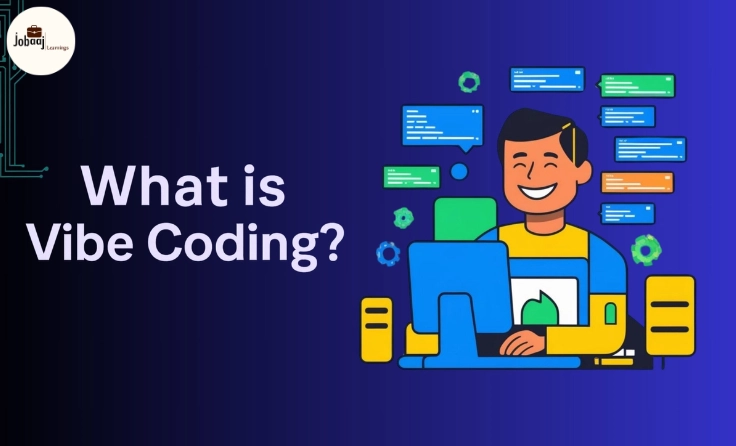
Imagine sitting in a quiet room, headphones on, coding away. The world around you fades into the background, and all that matters is the rhythm of your thoughts and the click-clack of your keyboard. As you write lines of code, you feel a kind of flow—where everything just works, and the problem-solving becomes effortless. Now, what if I told you that there’s a growing trend that blends this feeling of flow with technology?
Exploring a career in Web Development? Apply now!
Welcome to Vibe Coding—a new, emerging approach that emphasizes the connection between coding and your personal state of mind, emotions, and environment. But what exactly is vibe coding, and why is it gaining traction in the tech world? In this blog, we’ll dive deep into vibe coding, explore how it works, and why it’s becoming a popular trend for developers.
What Is Vibe Coding?
Vibe coding is a concept that revolves around coding in an environment where emotions, music, and the overall mood significantly influence the productivity and creativity of the coder. Unlike traditional programming, which focuses solely on logic and structured code, vibe coding incorporates sensory and emotional elements into the coding process. This includes listening to specific music genres, adjusting the room's ambiance, or even coding while in a relaxed state of mind.
The idea is simple—just like how some people are more productive in quiet environments, others may find that certain "vibes," such as specific music, light settings, or even scents, enhance their focus and creativity. It’s about creating an environment that fosters the flow state, making coding feel less like a task and more like an intuitive, enjoyable experience.
How Does Vibe Coding Work?
Vibe coding combines various elements to create a productive atmosphere. Here are some key aspects that contribute to this innovative approach:
1. Music and Soundscapes
Many vibe coders swear by the power of music. While some prefer total silence, others find that certain genres of music can help them get into the right mindset. Genres like lo-fi beats, classical music, or ambient soundscapes are often used to induce focus and flow. These soundtracks aren’t distracting but rather create a consistent backdrop that aids concentration.
2. Lighting and Ambiance
The lighting and environment in which you code play a huge role in your productivity. Soft lighting, dimmed rooms, or even colorful LED lights can help stimulate creativity and keep you in a positive mood. The key is creating a space that feels comfortable and conducive to deep work, as opposed to harsh office lights or overly sterile environments.
3. Emotional and Mental States
Vibe coding isn’t just about external factors—it’s also about how you feel while coding. Many vibe coders practice mindfulness, meditation, or engage in activities that promote a calm and focused mindset before starting their work. The idea is to create a mental environment where your thoughts are clear, and you’re ready to solve problems efficiently.
4. Personal Preferences
Everyone has their own rhythm when it comes to working. Some coders prefer having an open, airy space with natural light, while others may prefer a cozy, dimly-lit room with ambient sounds. Vibe coding is highly personalized, and part of the process is discovering what combination of elements works best for you.
The Benefits of Vibe Coding
1. Increased Productivity
When you code in an environment that feels comfortable and aligned with your personal preferences, you’re more likely to get into a state of flow. This leads to better focus, fewer distractions, and, ultimately, higher productivity.
2. Enhanced Creativity
Vibe coding encourages creativity by creating a space that promotes inspiration and free thinking. Whether it’s through relaxing music or ambient lighting, these elements can help you think outside the box and approach problems from new perspectives.
3. Reduced Stress
Programming can often be stressful, especially when debugging or dealing with complex problems. By incorporating soothing elements like calming music or a peaceful environment, vibe coding can reduce stress and make the entire coding process feel more enjoyable.
4. Improved Focus
When you find the right “vibe,” you’re less likely to get distracted. This improved focus is crucial when you’re working on long coding sessions or tackling complex tasks that require deep concentration.
Why Is Vibe Coding Gaining Popularity?
Vibe coding is becoming more popular because it takes a holistic approach to programming. Instead of focusing solely on the technical aspects of coding, it acknowledges that emotions and environments play a big part in our ability to work effectively. As more developers seek ways to reduce burnout and make coding more enjoyable, vibe coding offers an innovative solution that brings a sense of balance to the often stressful world of programming.
Moreover, vibe coding aligns with the growing interest in mental health and well-being in the workplace. Developers are increasingly looking for ways to optimize not just their work output but also their mental and emotional states while working.
Conclusion: Embracing Vibe Coding for a More Enjoyable Development Journey
Vibe coding is more than just a trend; it’s a shift in how we approach work, especially in the tech world. By combining the technical with the sensory, vibe coding creates an environment that fosters creativity, reduces stress, and boosts productivity. As we move towards 2025 and beyond, the future of coding will likely see more developers embracing this holistic approach. Whether you're new to vibe coding or a seasoned coder looking to try something new, creating the right environment could be the key to unlocking your full potential as a developer.
Dreaming of a Web Development Career? Start with Web Development Certificate with Jobaaj Learnings.
Frequently asked questions
What is vibe coding?
Vibe coding is an approach to programming that combines music, environment, and mental state to create a productive and enjoyable coding experience. It’s about optimizing your workspace and mindset to enhance focus and creativity.
How does music affect vibe coding?
Music can enhance concentration and help programmers get into a "flow" state. Genres like lo-fi beats, classical music, or ambient sounds are commonly used to help focus and reduce stress while coding.
What are the benefits of vibe coding?
Vibe coding increases productivity, enhances creativity, reduces stress, and improves focus. By creating the right environment, programmers can work more efficiently and enjoy the process more.
Can vibe coding help with burnout?
Yes, vibe coding can reduce burnout by promoting a healthy and enjoyable work environment. It encourages a balanced approach to coding, which can help maintain mental health and prevent overwork.
How can I start vibe coding?
Start by experimenting with your workspace. Try listening to music, adjusting the lighting, and practicing mindfulness before coding. Pay attention to how these changes affect your focus and creativity.
Is vibe coding suitable for all types of programming?
Yes, vibe coding can be adapted to any type of programming. Whether you’re working on web development, mobile apps, or data analysis, creating the right environment can help you improve productivity and performance.
Join 5,00,000+ Subscribers
Be a part of our ever growing community.