Categories








































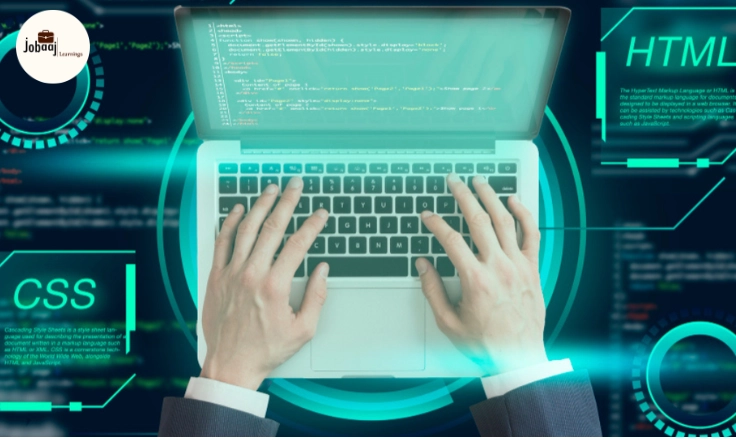
HTML5 has become the backbone of modern web design, revolutionizing how websites are built and interacted with. Since its launch, HTML5 has brought a host of powerful features, enabling developers and designers to create richer, more engaging, and more accessible websites. With advancements in multimedia support, responsive design, and user experience, HTML5 continues to shape the future of web development.
Exploring a career in Web Development? Apply now!
In this article, we will explore what’s new in HTML5, its key features, and how it’s influencing the landscape of web design.
Introduction to HTML5: The Evolution of Web Design
Before HTML5, web development relied heavily on plugins like Flash for multimedia and had limited capabilities for creating dynamic, interactive experiences. HTML5 changed that by providing native support for rich multimedia, cleaner code structure, and enhanced mobile compatibility. As web users demand faster, more responsive, and more immersive web experiences, HTML5 has emerged as the go-to tool for building modern, interactive websites.
Key Features of HTML5 That Are Changing the Game
-
Semantic Elements
HTML5 introduces several new semantic elements that improve the structure and meaning of web pages. Elements such asarticle,section,header, andfootermake it easier for both humans and search engines to understand the content of a webpage. This not only enhances accessibility but also improves SEO, helping search engines better index and rank pages. -
Improved Multimedia Support
HTML5 has eliminated the need for third-party plugins like Flash, offering built-in support for audio and video with theaudioandvideotags. This makes it easier to embed multimedia content without relying on external applications. HTML5 also supports new features like autoplay, looping, and interactive media elements, giving developers more control over how multimedia is presented. -
Canvas for Graphics and Animation
One of the standout features of HTML5 is thecanvaselement, which allows developers to create dynamic, scriptable 2D graphics directly in the browser. Whether it’s drawing shapes, creating games, or developing interactive charts, thecanvaselement gives designers the freedom to build custom graphics without the need for plugins like Flash. -
Geolocation API
The Geolocation API in HTML5 allows websites to access a user’s geographical location, with their permission. This opens up new possibilities for location-based services, such as mapping, local search, and customized content delivery. Whether it’s helping users find nearby stores or offering location-based promotions, HTML5’s geolocation feature has transformed how businesses can interact with users in real time. -
Local Storage and Offline Capabilities
HTML5’s local storage feature allows websites to store data directly in a user’s browser, making it possible to access information even without an internet connection. This is especially useful for Progressive Web Apps (PWAs), which function like native apps but are accessible through a browser. Users can continue to interact with content and even save data offline, making their experience smoother and more reliable. -
New Input Types for Forms
HTML5 brings new input types and attributes to forms, making them more intuitive and user-friendly. For example, thetype="email"andtype="tel"input types automatically trigger the appropriate keyboard on mobile devices, improving the user experience. Other enhancements like date pickers, color pickers, and range sliders make it easier for users to input accurate information, and for developers to ensure data validation. -
Web Workers for Background Processing
Web workers allow JavaScript to run in the background, separate from the main page thread. This feature is particularly useful for data-intensive applications, as it enables smooth processing of large datasets without freezing the user interface. Web workers are key for building high-performance web applications, such as real-time analytics dashboards or collaborative tools. -
Responsive Web Design
HTML5 has made responsive design more accessible by integrating well with CSS3 media queries. This allows websites to adapt seamlessly to different screen sizes and devices, from desktop computers to smartphones and tablets. The result is a more consistent user experience, as websites automatically adjust their layout and content based on the user's device. -
Microdata for Structured Data
HTML5 introduces microdata, which allows developers to embed machine-readable information within the webpage. This makes it easier for search engines and other systems to understand the content and context of a page. By using microdata, developers can enhance the searchability of their pages and create richer search results with features like rich snippets. -
WebSockets for Real-Time Communication
HTML5 introduces the WebSockets API, which allows for real-time communication between the client and server. Unlike traditional HTTP, which requires opening a new connection for every request, WebSockets enable a persistent connection, allowing data to be sent and received in real-time. This is ideal for applications such as live chat systems, multiplayer games, or live-streaming services.
How HTML5 is Shaping Web Design
HTML5 is changing the way designers approach web design. With its emphasis on simplicity, accessibility, and multimedia integration, HTML5 enables the creation of more engaging, interactive, and user-friendly websites. By replacing outdated technologies like Flash with native support for multimedia, HTML5 helps streamline web development and make websites faster and more reliable.
Moreover, HTML5 has introduced a more flexible and modular approach to web design. Developers can now focus on creating rich user experiences without worrying about cross-browser compatibility or the need for third-party plugins. This has led to more innovative and creative design solutions that provide users with a seamless experience across devices and platforms.
The Future of Web Design with HTML5
Looking ahead, HTML5 is set to continue evolving. As web technologies advance, we can expect to see even more powerful features that improve performance, interactivity, and accessibility. With the rise of artificial intelligence, machine learning, and augmented reality, HTML5 is well-positioned to support the next generation of web applications that will revolutionize how we interact with the digital world.
Developers and designers who embrace HTML5’s capabilities will be better equipped to build modern, scalable, and engaging websites that cater to the needs of an increasingly connected world.
Conclusion
HTML5 has undoubtedly reshaped web design, bringing new features and capabilities that allow developers to create dynamic, interactive, and user-friendly websites. From multimedia support to responsive design and offline capabilities, HTML5 offers everything needed to build modern websites that perform seamlessly across devices. As the web continues to evolve, HTML5 will remain at the forefront, enabling developers to build the next generation of digital experiences. Whether you’re a web designer, developer, or business owner, understanding HTML5 and leveraging its features is key to staying competitive in the ever-evolving digital landscape.
Dreaming of a Web Development Career? Start with Web Development Certificate with Jobaaj Learnings.
Frequently asked questions
What are the main new features of HTML5?
HTML5 introduced semantic elements, built-in support for video and audio, the canvas element for graphics, geolocation, and local storage for offline use.
How does HTML5 improve web design?
HTML5 enhances web design by providing cleaner, more organized code, supporting multimedia natively, improving user experience, and allowing for responsive design without relying on plugins.
Why is HTML5 important for modern web development?
HTML5 is important because it simplifies web development by reducing reliance on third-party plugins, provides better performance, and allows developers to create interactive and dynamic websites that are mobile-friendly and accessible.
What is the canvas element used for in HTML5?
The canvas element in HTML5 is used to draw 2D graphics and animations directly in the browser using JavaScript. It's commonly used for games, data visualization, and interactive web content.
What role does HTML5 play in mobile web design?
HTML5 plays a crucial role in mobile web design by enabling responsive design, which allows websites to adapt seamlessly to different screen sizes and devices, improving the user experience on mobile platforms.
What is WebSockets in HTML5?
WebSockets in HTML5 enable real-time, two-way communication between the client and server over a single connection. This is ideal for applications like live chat, multiplayer games, or real-time data streaming.

Join 5,00,000+ Subscribers
Be a part of our ever growing community.