Categories








































Imagine this scenario: You’ve spent months working on your digital marketing strategy. You’ve carefully planned your SEO campaign, optimized for the right keywords, created engaging content, and even focused on building quality backlinks. You’re feeling confident that your website will rank well. But then, something new emerges on the SEO horizon—AI SEO.
Exploring a career in Performance Marketing? Apply Now!
At first, it sounds like another tech buzzword. But when you look closer, you realize that AI is transforming SEO in a way that goes beyond just keyword optimization. It's changing how we create, optimize, and measure content for search engines. In a world where SEO is becoming more competitive by the day, AI SEO is quickly becoming the game-changer that could take your rankings to new heights.
So, in this post, we’ll break down exactly what AI SEO is, how it works, and why it's something every marketer should pay attention to. Let’s dive in.
What is AI SEO?
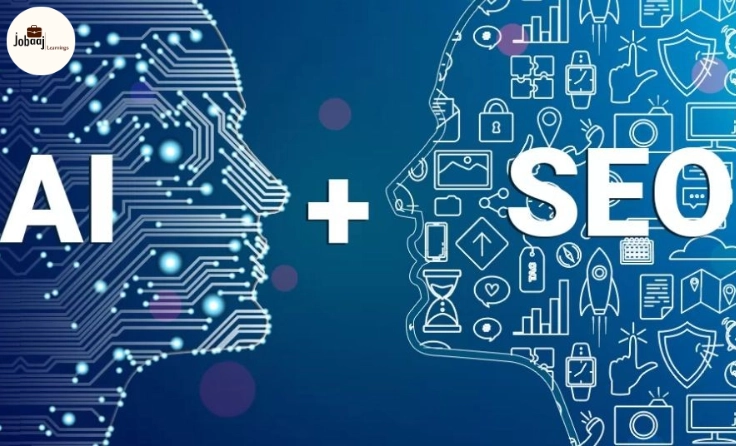
AI SEO is the integration of artificial intelligence into search engine optimization practices. While traditional SEO focuses heavily on strategies like keyword research, content optimization, and link building, AI SEO takes it a step further by using machine learning and natural language processing (NLP) to analyze and optimize content at a much deeper level.
AI-powered tools can now create, analyze, and optimize content in ways that humans alone couldn’t keep up with. They can predict user intent, tailor content to specific needs, and even generate ideas for articles or blog posts. Instead of merely relying on keywords and basic content strategies, AI SEO tools help businesses deliver content that’s optimized for both search engines and users, making it more relevant and engaging.
Why is AI SEO the Future of Search?
AI SEO is becoming a significant factor in the digital marketing world, and here’s why it’s making waves:
1. AI Can Scale Content Creation
Traditionally, content creation has been time-consuming. Writers, marketers, and SEO specialists spend hours researching keywords, writing blog posts, and making sure everything is optimized. But AI changes that.
With tools like Jasper AI or Copy.ai, businesses can generate content at scale in a fraction of the time it would take manually. Whether you’re writing blog posts, social media updates, or product descriptions, AI can create content that is both high-quality and SEO-friendly. This efficiency makes it easier to manage large content projects and keep your website fresh with new material.
By automating much of the content generation, businesses save time and resources while still maintaining an SEO-optimized strategy. The result? More content, faster.
2. Understanding User Intent
One of the biggest challenges in SEO is ensuring that your content matches what the user is actually looking for. User intent is everything in today’s search world. AI takes user intent to a whole new level by analyzing the context behind each search query.
For instance, when someone types in "best ways to improve website speed," AI can identify whether they’re looking for general tips, specific tools, or perhaps technical solutions for website speed. Instead of simply optimizing for keywords, AI understands what the user actually wants and creates content that addresses those specific needs.
AI is also great at interpreting long-tail keywords and semantic searches (searches that focus on meaning and intent rather than just individual keywords). This makes content more relevant and targeted, which leads to a better user experience and higher rankings on search engines.
3. Personalizing Content for Better Engagement
Gone are the days when SEO was just about ranking for specific keywords. Today’s users want more than just answers—they want personalized experiences. AI tools can analyze user data, search history, and behavioral patterns to generate content that directly speaks to a person’s interests and needs.
Let’s say a user is searching for e-commerce website tips. AI can generate content specifically tailored for people in that niche, offering them exactly what they’re looking for—be it blog posts, product guides, or recommendations. When content feels personalized, users are more likely to engage with it, increasing click-through rates (CTR) and conversions.
When AI understands what a user needs and delivers relevant content, it naturally boosts engagement and creates a more satisfying user experience, which is crucial for SEO success.
4. Keeping Up with Search Trends in Real-Time
Search engines are constantly evolving, and so is SEO. One of the most exciting things about AI SEO is how it helps you keep up with the ever-changing landscape of search trends. With AI tools, businesses can stay ahead of the curve by predicting future trends based on real-time data and previous user behavior.
For example, AI can identify emerging search trends and suggest content opportunities before they hit the mainstream. Imagine being able to create content around trending topics even before they go viral. AI gives you the ability to create content that anticipates future searches, ensuring you’re always one step ahead.
How Can You Use AI SEO?
Now that you know why AI SEO is a game-changer, let’s talk about how you can implement it in your strategy:
1. Generate SEO-Friendly Content
Start by using AI tools to help generate high-quality, SEO-friendly content. Whether it’s writing blog posts, creating social media content, or crafting product descriptions, AI tools like Jasper AI or Copy.ai can create well-optimized content at scale.
These tools allow you to automate the writing process while still maintaining high relevance to your target audience and search engines.
2. Automate Keyword Research
AI can also take the guesswork out of keyword research. With tools like Ahrefs, SEMrush, or Surfer SEO, AI helps you identify high-performing keywords, long-tail phrases, and content gaps that you can target to improve your SEO strategy.
These tools not only help you find keywords but also suggest related topics and competitive strategies that can help you outperform your competitors.
3. Optimize On-Page Content
AI tools can automatically optimize your on-page content to ensure it’s well-structured and adheres to SEO best practices. Tools like MarketMuse or Frase can analyze top-ranking pages for any given keyword and give you suggestions on how to improve your own content.
From improving your headings to making sure your content includes relevant related keywords, AI ensures that everything you create is optimized to rank higher on search engine result pages (SERPs).
4. Improve User Experience (UX)
AI is also great at improving user experience (UX), which is a key ranking factor for search engines. AI can help optimize page speed, suggest design improvements, and even recommend interactive features that can engage users longer.
When your content is not only SEO-optimized but also provides a great user experience, it increases your engagement metrics, such as time on page and bounce rate, both of which help improve rankings.
Conclusion
AI SEO is no longer just a buzzword—it’s the future of search engine optimization. With AI tools, you can create high-quality, SEO-optimized content, automate time-consuming tasks, and personalize your content to meet user needs in a way that wasn’t possible before.
By leveraging AI in your SEO strategy, you can save time, improve your rankings, and deliver an experience that delights your audience. As AI continues to advance, SEO will only become smarter and more dynamic. If you’re not using AI in your SEO strategy yet, now is the perfect time to start embracing this game-changing technology.
Dreaming of a Performance Marketing Career? Start with Performance Marketing Certificate with Jobaaj Learnings.
Frequently asked questions
What is AI SEO?
AI SEO refers to the integration of artificial intelligence into SEO practices. It involves using AI tools to create content, optimize websites, and analyze user intent to improve search engine rankings.
How does AI help with keyword research?
AI tools can analyze search trends, user behavior, and competitor strategies to identify high-performing keywords, long-tail phrases, and content gaps for your SEO strategy.
Can AI help generate content for SEO?
Yes, AI tools like Jasper AI and Copy.ai can generate high-quality, SEO-optimized content. They can create blog posts, product descriptions, and other content at scale, saving time and ensuring optimization.
What is user intent in SEO, and how does AI understand it?
User intent is the goal or need behind a user's search query. AI understands user intent by analyzing search patterns and content context to create content that directly addresses the user's needs.
How does AI improve user experience for SEO?
AI can optimize aspects like page speed, design, and interactive features, improving user experience and engagement, which in turn boosts SEO rankings by reducing bounce rates and increasing time on page.
Why should I use AI in my SEO strategy?
AI enhances SEO by automating content creation, keyword research, and on-page optimization. It helps businesses create more relevant, personalized content while improving rankings and user engagement.

Join 5,00,000+ Subscribers
Be a part of our ever growing community.