Categories








































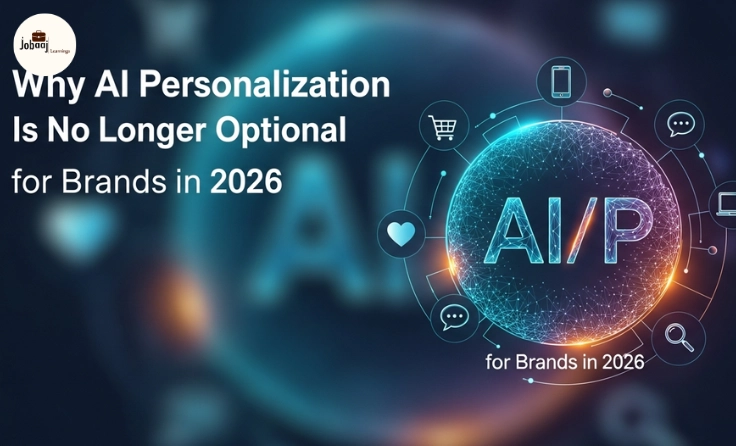
In 2026, the business landscape has evolved dramatically, with technology driving innovation and customer expectations reaching new heights. In the middle of this transformation, AI personalization has emerged as a critical component for any brand striving to stay competitive. No longer just a trendy buzzword, AI-powered personalization is now a necessity for brands that want to build meaningful relationships with customers, stand out in crowded markets, and drive long-term success.
Exploring a career in Performance Marketing? Apply Now!
As consumer behavior becomes increasingly sophisticated, so too do the ways brands must engage with their audience. If you’re still hesitant about embracing AI personalization, this blog will help you understand why AI is no longer optional but a must-have for any brand that wants to remain relevant and successful in 2026.
What is AI Personalization?
AI personalization is the use of artificial intelligence technologies to tailor the customer experience based on individual preferences, behaviors, and interactions. From product recommendations to personalized email campaigns, AI can analyze vast amounts of data to deliver content that resonates with each user. It’s about understanding the customer’s needs, anticipating their desires, and engaging with them on a deeper level.
Why AI Personalization Is Critical in 2026
1. Consumer Expectations Are Higher Than Ever
Today’s consumers expect nothing less than a seamless, personalized experience across all channels, from browsing to purchasing. Whether they’re shopping online, interacting with a brand on social media, or receiving marketing emails, customers want content that is relevant to them. In fact, studies show that 80% of customers are more likely to make a purchase when brands offer personalized experiences.
With so many options available, generic marketing no longer cuts it. If brands want to stand out, they need to engage their customers with individualized experiences that feel tailored specifically to their interests, preferences, and past interactions. AI helps achieve this at scale, turning customer data into personalized recommendations, dynamic website content, and hyper-targeted ads.
2. AI Delivers Scalable Personalization
One of the biggest challenges brands face in delivering a personalized experience is scalability. While personalization is key, doing it manually can be overwhelming when you’re dealing with thousands, or even millions, of customers. This is where AI comes in.
AI enables brands to scale their personalization efforts by processing and analyzing massive amounts of data in real time. Using algorithms and machine learning models, AI can predict customer preferences, recommend products, and tailor marketing messages automatically and in real-time across multiple platforms.
For instance, consider how AI personalizes shopping experiences on platforms like Amazon or Netflix, recommending products or shows based on past behavior. It’s scalable, efficient, and cost-effective. Brands can offer personalized experiences to millions of customers without the need for constant human intervention.
3. Data-Driven Insights Lead to Smarter Decision Making
AI’s ability to analyze data and provide actionable insights is a game-changer for brands in 2026. By leveraging AI tools, brands can track customer behaviors, segment audiences, and understand patterns that help them craft better, more targeted campaigns.
For example, AI can identify customer segments based on their past purchasing behavior or browsing patterns and recommend hyper-targeted marketing strategies. Brands that use AI personalization aren’t just guessing what their customers might want; they have data-driven insights that inform real-time decisions and enable them to deliver the right content to the right person at the right time.
4. The Competitive Edge: Brands that Use AI Are Winning
The businesses that leverage AI for personalization are already outperforming their competitors. As we move further into 2026, this trend will only grow stronger. Brands that fail to embrace AI personalization will risk being left behind, while those that utilize it will attract more customers, increase customer loyalty, and ultimately boost sales.
Take the example of Starbucks. Their DeepBrew AI system analyzes customer preferences based on past purchases and interactions to deliver personalized recommendations and offers, driving repeat business. For Netflix, AI personalization is not just a feature it’s the foundation of their entire recommendation engine, keeping users engaged and coming back for more content.
5. AI Personalization Builds Stronger Customer Relationships
In 2026, customer loyalty is no longer just about offering a great product or service it’s about building meaningful relationships. AI personalization allows brands to create a more human-like experience by responding to the unique needs and preferences of each customer.
For example, AI can help a fashion brand send a personalized email campaign featuring styles based on previous purchases or viewing history. This makes customers feel seen, valued, and understood building a sense of brand loyalty that goes beyond a transaction. The more a brand can engage customers on a personal level, the more likely they are to foster long-term relationships.
6. AI Helps Brands Stay Agile in a Fast-Paced Market
In a fast-paced market, brands need to stay agile and responsive to changes in customer behavior. AI personalization allows brands to quickly adapt to new trends, preferences, and even global events. For example, during the pandemic, companies with AI-driven personalization systems were able to adjust their offerings and marketing messages in real time, helping them stay relevant and connected to customers.
With AI, brands can automatically adjust their marketing strategies, product recommendations, and website content to match shifts in consumer behavior, keeping them competitive in a constantly changing environment.
How Brands Can Start Implementing AI Personalization in 2026
Now that we know why AI personalization is essential, here’s how brands can start implementing it:
1. Leverage Customer Data
AI thrives on data. Brands should focus on collecting high-quality customer data across various touchpoints, such as websites, social media, and mobile apps. This data can then be used to train AI models and create personalized experiences.
2. Use AI-Powered Tools and Platforms
There are many AI-powered personalization tools and platforms available, such as Salesforce, HubSpot, and Dynamic Yield, that brands can use to create personalized content and marketing campaigns. These platforms make it easier to implement AI personalization without requiring deep technical expertise.
3. Test, Optimize, and Evolve
AI personalization isn’t a one-time effort. Brands need to constantly test and optimize their AI-driven strategies to ensure they’re meeting customer needs. Use A/B testing, monitor customer feedback, and evolve the personalization model based on performance data.
Conclusion
As we move further into 2026, AI personalization is no longer just a luxury it’s a necessity. Customers expect more relevant, meaningful, and personalized experiences than ever before. Brands that embrace AI personalization will not only meet those expectations but will also have a competitive edge in today’s digital-first marketplace.
Whether you’re in e-commerce, entertainment, or any other industry, AI-driven experiences will help you build stronger relationships with your customers, drive more sales, and remain relevant in an increasingly crowded marketplace.
In 2026, AI personalization is the future, and the future is here. Don’t get left behind embrace it and elevate your brand.
Dreaming of a Performance Marketing Career? Start with Performance Marketing Certificate with Jobaaj Learnings.
Frequently asked questions
What is AI personalization and why is it important for brands in 2026?
AI personalization is the use of artificial intelligence to deliver tailored content and experiences to customers. It is essential in 2026 as it helps brands meet customer expectations, increase engagement, and stay competitive.
How can AI help brands stay competitive in 2026?
AI helps brands by delivering personalized customer experiences, optimizing marketing strategies, and enabling real-time adjustments to meet shifting consumer preferences, making brands more agile and responsive.
What are the key benefits of AI personalization for brands?
AI personalization boosts customer engagement, increases conversion rates, fosters loyalty, and enhances the overall user experience by providing content that is relevant and tailored to individual preferences.
Can small businesses also benefit from AI personalization?
Yes, small businesses can use AI personalization tools and platforms to offer customized experiences, improve customer engagement, and compete with larger brands. Many AI tools are now accessible and affordable for businesses of all sizes.
What are the first steps for implementing AI personalization in a brand’s strategy?
The first step is to gather high-quality customer data and then use AI-powered tools to create personalized content and experiences. Testing, optimization, and evolving strategies over time will also be crucial for success.

Join 5,00,000+ Subscribers
Be a part of our ever growing community.