Categories












/content/learnings/assets/header/ManagementConsulting.svg)
/content/learnings/assets/header/InvestmentBanking.svg)


























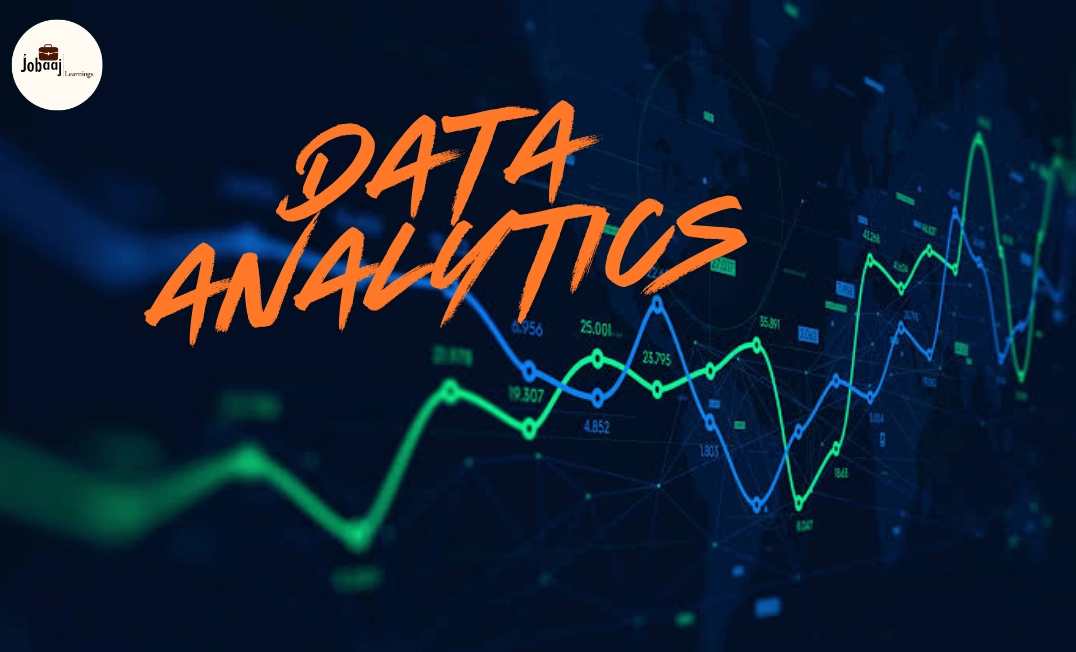
In 2026, data is everywhere. It drives decisions, shapes businesses, and helps organizations understand their customers better. In a world increasingly reliant on data, professionals across industries are realizing the importance of learning data analysis skills. But why exactly does every professional need to understand data analysis in 2026? Let’s explore.
Why is Data Analysis So Important in 2026?
As we step into 2026, the landscape of data continues to grow exponentially. From marketing to healthcare to finance, industries across the board are collecting vast amounts of data. Data analysis is the key to unlocking this wealth of information and turning it into actionable insights. But data isn't just for data scientists anymore every professional needs to have at least a foundational understanding of data analysis to stay relevant in their field.
Here’s why:
-
Data Drives Decision-Making
Professionals who understand data can make better decisions based on real-time insights rather than intuition. Whether it's marketing strategies, customer service improvements, or resource allocation, data helps in making informed decisions that reduce risks and maximize outcomes. -
Improves Efficiency and Productivity
By using data to evaluate processes, professionals can identify bottlenecks, inefficiencies, and areas for improvement. Data analysis helps streamline workflows, reduce waste, and optimize resource use, allowing businesses to achieve more with less. -
Better Communication and Collaboration
Understanding data allows professionals to speak the same language as data analysts and data scientists. With data-driven insights, cross-departmental collaboration becomes smoother, as the whole team works toward the same goal with the same factual information. -
Increases Career Opportunities
As businesses grow more data-centric, professionals with data analysis skills are in high demand. Whether you’re in marketing, finance, HR, or IT, being proficient in data analysis opens doors to a wider range of career opportunities and promotions. It's a skill that’s increasingly becoming a prerequisite for success. -
Stay Competitive
Businesses that can effectively analyze and leverage data outperform those that don’t. Professionals with data analysis skills have a competitive edge in today’s job market because they can contribute to business success by interpreting data and implementing strategies based on insights. -
Helps with Personal and Professional Growth
Learning data analysis also boosts personal development. It enhances critical thinking, problem-solving, and attention to detail, all of which are valuable skills in any role. Additionally, understanding data fosters confidence in decision-making, which can help in both personal and professional contexts.
What You Need to Learn for Data Analysis in 2026
To become proficient in data analysis, you don’t need to become a data scientist. Here’s what you can start learning:
-
Basic Statistical Methods: Understanding mean, median, mode, correlation, and regression analysis is crucial.
-
Excel & Spreadsheets: Even in 2026, Excel is one of the most commonly used tools for analyzing data.
-
SQL: Learning SQL (Structured Query Language) is essential for querying and retrieving data from databases.
-
Data Visualization Tools: Tools like Tableau, Power BI, or Google Data Studio help present data in an easily understandable way.
-
Data Cleaning: Learning how to clean and prepare raw data for analysis is one of the most important steps in the data analysis process.
-
Data Analytics Platforms: Familiarity with platforms like Python or R for more advanced data analysis, especially in larger data sets.
How to Get Started with Data Analysis
-
Take Online Courses: Platforms like Coursera, Udemy, and LinkedIn Learning offer courses in basic and advanced data analysis techniques.
-
Practice with Real-World Data: Platforms like Kaggle provide data sets that allow you to practice your analysis skills.
-
Leverage Data Visualization Tools: Start by experimenting with data visualization tools to present insights in an engaging way.
-
Learn from Data Analysts: Follow blogs, join communities, and participate in discussions with data analysts to stay updated.
By learning data analysis, you’ll position yourself as an invaluable asset in your organization, equipped with the ability to drive decisions based on real data. In 2026, data is not just a trend it’s the backbone of business and professional success.
Conclusion
In 2026, data is no longer just for specialized professionals it's a fundamental skill that every worker should have. Whether you’re in marketing, finance, operations, or even HR, understanding data analysis gives you the power to make better decisions, optimize workflows, and drive business growth. As the world becomes more data-driven, those who can analyze and interpret data will have a distinct advantage in their careers.
Learning data analysis isn’t just a technical skill it’s a powerful tool that enhances your ability to communicate, collaborate, and innovate within your organization. As industries across the board continue to embrace the power of data, professionals who invest time in learning these skills will position themselves as leaders and problem-solvers in their fields.
Aspiring for a career in Data and Business Analytics? Begin your journey with a Data and Business Analytics Certificate from Jobaaj Learnings.
Frequently asked questions
What is data analysis and why is it important for professionals in 2026?
Data analysis involves interpreting data to make informed decisions. In 2026, it's important because it helps professionals make data-driven decisions, optimize processes, and improve efficiency in their roles.
How can data analysis improve my career prospects?
Learning data analysis opens up more career opportunities. Professionals who understand how to use data are highly valued across industries, making them more competitive in the job market.
Do I need to learn advanced data science to use data analysis in my career?
No, you don’t need to become a data scientist. Basic skills such as using Excel, understanding statistics, and learning data visualization tools can go a long way in improving your data analysis skills.
What tools should I learn for data analysis in 2026?
In 2026, professionals should be familiar with tools like Excel, SQL, Tableau, Power BI, and Python or R for more advanced analysis. These tools help with data cleaning, visualization, and drawing actionable insights.
How can I practice data analysis?
You can practice by taking online courses, working with data sets available on platforms like Kaggle, and using tools like Google Analytics or Power BI for real-world applications.
What are the key skills to focus on in data analysis?
Focus on learning basic statistical methods, data cleaning techniques, data visualization, and how to use data analytics tools like Excel, SQL, and Python to analyze real-world data.

Join 5,00,000+ Subscribers
Be a part of our ever growing community.