Categories








































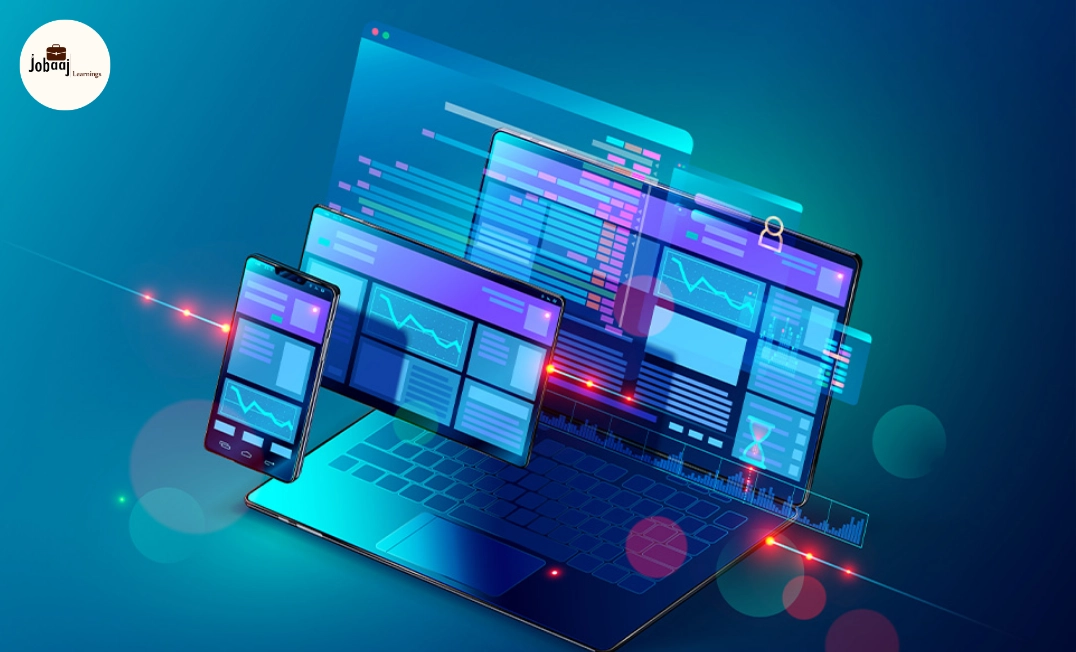
In 2026, the web development landscape is more exciting than ever. Whether you're looking to build your own website or diving into a career as a web developer, the world of coding and design has evolved significantly. Technologies keep advancing, user expectations rise, and the competition gets fiercer by the day. If you’re aiming to stay ahead of the game and build websites that are not only functional but also delightful to use, then understanding these web development secrets is a must.
Exploring a career in Web Development? Apply now!
So, let's break it down, step-by-step, in a way that makes it easy for you to understand and apply, whether you’re a beginner or a seasoned pro. Here’s a guide to the top web development secrets that will help you build better, faster, and more engaging websites in 2026.
1. Master the Art of Responsive Design
Imagine someone visiting your website on their phone, laptop, or tablet, and the website looks perfect every single time. That’s what responsive design is all about. In 2026, if your website isn’t responsive, it’s essentially a deal-breaker.
Why It Matters:
-
More than 50% of internet traffic is from mobile devices, meaning people are browsing on smaller screens.
-
A responsive design ensures your website adapts perfectly to different screen sizes, offering users a seamless experience.
Use CSS Flexbox and CSS Grid for fluid layouts that respond to various screen sizes. Frameworks like Bootstrap and Tailwind CSS are also great for quick responsiveness.
2. Optimize for Speed
Website speed is no longer just a luxury—it’s a necessity. Users expect your site to load instantly, and if it doesn’t, they’ll move on. In 2026, performance optimization can make or break your website’s success.
Why It Matters:
-
Google’s search ranking algorithm heavily factors in site speed.
-
Slow-loading sites increase bounce rates, meaning users leave before they even get to see your content.
Minify your CSS, JavaScript, and HTML files, compress images without losing quality, and leverage caching strategies. Tools like Google PageSpeed Insights can give you actionable steps to speed up your site.
3. Prioritize Mobile-First Design
Think about it: you’re walking down the street, on the train, or lying on the couch, and what do you do? You pick up your phone. That’s why mobile-first design is essential in 2026.
Why It Matters:
-
Mobile-first means designing your website with mobile users in mind before desktop users.
-
With mobile traffic taking the lead, having a mobile-optimized site is crucial to providing a good user experience.
Focus on touch-friendly navigation, fast loading times, and legible text on small screens. Use media queries to adjust content and layout for different devices.
4. Engage Users with Interactive Elements
Websites that interact with users are much more engaging. The key here is making sure your visitors feel like they’re part of the experience. Adding interactive elements creates a dynamic atmosphere on your site.
Why It Matters:
-
Users love interaction, and a site that’s fun to navigate will encourage people to spend more time on it.
-
Interactive elements like animations, hover effects, and sliders can bring your website to life.
Use CSS animations for small effects, and implement JavaScript libraries like GSAP for more complex interactions. Consider adding microinteractions like buttons that change when hovered over or a like button that reacts when clicked.
5. Simplify Navigation with Clear Structure
When users land on your site, they should immediately know where to go. Clear, concise, and logical navigation will make their journey easy and pleasant, leading to a better overall experience.
Why It Matters:
-
If users can’t find what they’re looking for quickly, they’ll leave.
-
Clear navigation helps reduce frustration and improves usability.
Stick to simple, well-labeled menus, and avoid too many options on one page. Use breadcrumbs for deeper content structures, making it easy for users to retrace their steps.
6. Use Version Control for Collaboration
If you’re working in a team, version control is your best friend. It helps you track code changes, revert to previous versions if needed, and collaborate seamlessly with others.
Why It Matters:
-
Version control ensures you never lose your work and helps teams work together without conflicting changes.
-
It’s an essential skill for any developer working on collaborative projects.
Git is the most popular tool for version control, and GitHub allows you to host your code in the cloud, track issues, and manage collaborative workflows.
7. Focus on SEO from the Start
Search Engine Optimization (SEO) is key to making sure your website gets found. While many focus on SEO after the site is built, incorporating it into the design process itself is a smarter approach.
Why It Matters:
-
The best-looking website is useless if no one can find it. SEO ensures that search engines can crawl and index your site.
-
Proper SEO increases organic traffic and improves the website’s ranking in search engine results.
Optimize your content with proper meta tags, use clean URLs, and make sure your site is mobile-friendly. Use header tags (H1, H2, H3) to structure your content logically and help search engines understand its relevance.
8. Master Responsive Typography
Typography may seem like a small detail, but it plays a huge role in user experience. In 2026, good typography isn’t just about choosing pretty fonts. It’s about creating readable, accessible, and scalable text for any device.
Why It Matters:
-
Fonts can affect the readability of your content. Poorly chosen fonts or improper sizes make users leave quickly.
-
Responsive typography ensures text looks good on all screen sizes and enhances the overall design.
Use relative units like em or rem instead of fixed units like px for font sizes, and consider line heights to improve readability. Tools like Google Fonts give you access to a wide range of web-friendly fonts.
9. Implement Web Accessibility (a11y)
In 2026, accessibility is more important than ever. The internet should be available to everyone, including those with disabilities. Making your website accessible will not only improve user experience but also enhance your SEO.
Why It Matters:
-
Web accessibility makes your site usable for everyone, regardless of their physical abilities.
-
Accessibility is a legal requirement in many countries, and ignoring it could result in fines or lawsuits.
Use semantic HTML, provide alt text for images, and ensure that your website can be navigated with a keyboard. Tools like WAVE and Lighthouse can help you audit your site’s accessibility.
10. Stay Updated with New Trends and Tools
Technology and design trends evolve quickly, and staying up-to-date with the latest changes will ensure you remain competitive in the web development field.
Why It Matters:
-
New technologies and tools can improve your workflow and make your site more efficient.
-
Staying updated with trends ensures your designs are fresh and modern.
Follow industry blogs, attend web development conferences, and experiment with new tools and frameworks to stay ahead of the curve.
Conclusion
Web development in 2026 is about more than just coding. It’s about creating a seamless, engaging, and user-friendly experience that delights users and keeps them coming back for more. By mastering these web development secrets from responsive design to performance optimization you’ll be well on your way to building websites that not only meet the expectations of today’s users but exceed them.
As technology evolves, so does web development. By keeping an eye on trends, refining your skills, and optimizing for performance, you'll stay ahead of the curve and continue creating beautiful, functional websites for years to come.
Dreaming of a Web Development Career? Start with Web Development Certificate with Jobaaj Learnings.
Frequently asked questions
What is the importance of responsive design in web development?
Responsive design ensures that your website looks great and functions well on all devices, from mobile phones to desktops. It improves the user experience and boosts SEO rankings.
How do I optimize my website’s performance?
Optimize performance by compressing images, minifying your code, leveraging caching, and using content delivery networks (CDNs). This will improve load times and user engagement.
What tools can I use to improve web development workflow?
Tools like Webpack, Git, and Sass can help streamline your development process. These tools allow for faster coding, better version control, and more efficient styling.
Why is SEO important for web development?
SEO helps your website rank higher in search engine results, driving more organic traffic to your site. Incorporating SEO practices early in the development process ensures better visibility.
How can I ensure my website is accessible to all users?
To ensure accessibility, use semantic HTML, provide alternative text for images, and ensure your website is navigable via keyboard. Regularly audit your site using tools like WAVE to improve accessibility.

Join 5,00,000+ Subscribers
Be a part of our ever growing community.