Categories











/content/learnings/assets/header/ManagementConsulting.svg)
/content/learnings/assets/header/InvestmentBanking.svg)
























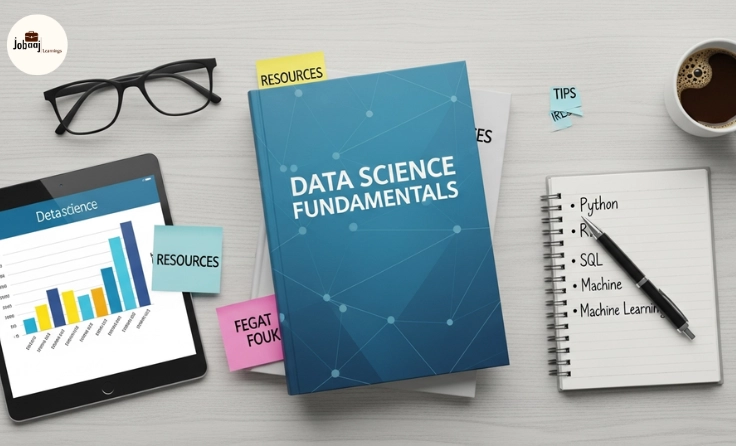
Data science has become one of the most sought-after fields in today’s job market. From analyzing customer behavior to developing machine learning models, data science is the backbone of many innovations across industries. Whether you’re looking to transition into a data science career or simply expand your knowledge, learning data science can be both exciting and challenging.
Exploring a career in Data and Business Analytics? Apply Now!
But where do you start? With so many resources available online, it can be overwhelming to figure out where to begin. In this blog, we’ll break down the essential steps for learning data science, recommend key resources, and provide useful tips to guide you on your journey.
What is Data Science?
Before diving into the learning process, let’s understand what data science actually is. At its core, data science is the process of extracting meaningful insights from data using various techniques, algorithms, and tools. It combines principles from statistics, computer science, and domain knowledge to help businesses and organizations make informed decisions.
Data scientists use data to identify patterns, build predictive models, and make data-driven decisions that can solve real-world problems. A data scientist typically works with data sets, cleans and prepares data, explores and analyzes data, and then uses statistical and machine learning models to derive insights or predictions.
Key Skills You Need to Learn Data Science
Data science is a broad field that requires proficiency in several areas. Here’s a breakdown of the key skills you need to develop:
-
Programming: Knowing how to code is fundamental for data science. Python is the most popular language in the field, thanks to its simplicity and rich ecosystem of data science libraries (such as NumPy, Pandas, and Matplotlib). R is also commonly used, especially for statistical analysis.
-
Statistics and Probability: A solid understanding of statistics is essential for analyzing and interpreting data. Key topics to focus on include probability theory, hypothesis testing, regression analysis, and statistical modeling.
-
Machine Learning: Machine learning (ML) is a subset of data science that focuses on developing algorithms that allow computers to learn from data. A good understanding of supervised and unsupervised learning, decision trees, regression models, clustering, and neural networks will be crucial as you advance in your learning journey.
-
Data Visualization: Communicating insights effectively is as important as generating them. Being able to visualize data through graphs, charts, and plots helps make your findings accessible to others. Tools like Matplotlib, Seaborn, and Tableau can help you present your data clearly.
-
Databases and SQL: Data is stored in various forms and locations. Learning how to query databases using SQL will help you extract and manipulate data stored in relational databases like MySQL, PostgreSQL, or cloud-based databases like Amazon Redshift.
-
Big Data Tools: As you progress, it will be useful to understand how to work with big data. Familiarizing yourself with tools like Hadoop, Spark, and NoSQL databases (such as MongoDB) will help you scale your data science projects.
-
Data Wrangling and Cleaning: Before you can analyze data, you need to clean it. Real-world data is often messy, and knowing how to clean, manipulate, and prepare data for analysis is a crucial skill for any data scientist.
Where to Start Your Data Science Journey
Now that you know the essential skills, let’s break down the steps you can follow to get started with learning data science:
1. Start with the Basics of Python Programming
If you’re new to programming, start by learning Python. Python is widely used in data science for its simplicity and ease of learning. You can begin with:
-
Codecademy’s Python Course: A beginner-friendly course to get started with Python.
-
Automate the Boring Stuff with Python: A great resource for learning Python through practical examples.
-
DataCamp Python for Data Science: Offers interactive Python exercises and covers basic data science libraries like Pandas and NumPy.
2. Learn Statistics and Probability
Once you have a solid foundation in Python, it’s time to dive into statistics and probability, which are essential for data analysis. Some excellent resources include:
-
Khan Academy Statistics and Probability: A free, beginner-friendly way to learn statistics.
-
Coursera’s Data Science Specialization by Johns Hopkins University: This covers fundamental statistics and is part of a broader data science learning path.
-
“Think Stats” by Allen B. Downey: A book that covers statistics in a practical and accessible way, ideal for data science learners.
3. Dive Into Data Manipulation with Pandas and NumPy
Now that you have programming and statistics under your belt, it's time to get hands-on. The next step is learning how to manipulate data using Pandas and NumPy, two of the most powerful libraries for data manipulation.
-
DataCamp’s Pandas and NumPy Courses: Offers interactive lessons for working with data in Python.
-
Kaggle’s Pandas Tutorials: Provides a wealth of free tutorials on how to manipulate and analyze data using Pandas.
4. Understand Machine Learning Concepts
Machine learning is at the heart of data science. As you become more comfortable with data analysis, start learning machine learning algorithms.
-
“Hands-On Machine Learning with Scikit-Learn, Keras, and TensorFlow” by Aurélien Géron: A fantastic resource to learn practical machine learning and deep learning.
-
Coursera’s Machine Learning Course by Andrew Ng: One of the most popular courses for learning the theory and practice of machine learning.
-
Kaggle’s Intro to Machine Learning: Provides practical, hands-on exercises to learn machine learning algorithms.
5. Practice with Real-World Projects
The best way to learn data science is by working on real-world projects. Here are a few project ideas to get you started:
-
Data Analysis Projects: Pick a dataset from Kaggle or UCI Machine Learning Repository, and analyze it. For example, predicting housing prices or classifying emails as spam or not.
-
Build a Recommendation System: Use machine learning algorithms to build a recommendation system, such as those found on Netflix or Amazon.
-
Data Visualization Projects: Use Tableau or Matplotlib to create insightful visualizations from real-world data, such as COVID-19 statistics, stock market data, or social media analytics.
Resources for Learning Data Science
To accelerate your learning, here are some trusted resources:
-
Kaggle: The go-to platform for data science competitions, tutorials, and datasets.
-
Coursera: Offers courses and specializations from top universities and companies.
-
DataCamp: Interactive courses focused on data science and machine learning.
-
edX: Offers professional certificate programs in data science from universities like Harvard and MIT.
-
YouTube Channels: Channels like StatQuest with Josh Starmer and Data School offer high-quality, free tutorials.
Tips for Learning Data Science Effectively
-
Start Small: Don’t try to learn everything at once. Focus on one concept or tool at a time and gradually build your knowledge.
-
Practice, Practice, Practice: Apply what you’ve learned to real-world data sets. The more you practice, the better you’ll understand the concepts.
-
Join a Community: Participate in online communities like Kaggle, Stack Overflow, or Reddit’s r/datascience to learn from others, share your knowledge, and ask questions.
-
Stay Updated: Data science is an ever-evolving field. Follow blogs, listen to podcasts, and read papers to keep up with new developments.
-
Be Patient: Data science can be challenging, but persistence pays off. Keep learning and experimenting, and soon you’ll be able to build complex models and tackle interesting problems.
Conclusion
Learning data science is a journey that requires time, effort, and dedication, but the rewards are well worth it. With the right mindset, resources, and practice, you’ll be able to master the skills needed to tackle real-world data problems and even build your own data-driven applications. From understanding programming and statistics to diving into machine learning and big data, there’s a world of knowledge to explore.
As you progress, remember that the learning process doesn’t stop. Keep honing your skills through hands-on projects and collaboration with the data science community. Data science is an exciting field with endless opportunities, and with persistence and curiosity, you’ll be well on your way to becoming a proficient data scientist.
Aspiring for a career in Data and Business Analytics? Begin your journey with a Data and Business Analytics Certificate from Jobaaj Learnings.
Frequently asked questions
What skills are needed for data science?
Essential skills for data science include programming (especially Python), statistics, machine learning, data visualization, and knowledge of databases (SQL, NoSQL). You also need to be familiar with tools like Pandas, NumPy, and frameworks like TensorFlow.
How long does it take to learn data science?
The time to learn data science varies depending on your background and dedication. On average, it can take 6 months to a year of consistent learning to gain a solid foundation. However, becoming an expert may take several years of practice and experience.
Can I learn data science without a math background?
While a strong math background can be helpful, it's not a requirement to get started in data science. Many resources focus on practical skills like data analysis and machine learning without deep theoretical math. You can always learn the math concepts as you go along.
What is the best programming language for data science?
Python is the most popular language for data science due to its simplicity and powerful libraries like Pandas, NumPy, and Matplotlib. R is another language often used for statistical analysis and data visualization.
What are some good projects for beginners in data science?
Beginner projects include predicting housing prices using linear regression, classifying emails as spam or not, or analyzing a dataset of your choice (like movie ratings or social media data) and creating data visualizations.
Where can I find datasets for data science projects?
Some great sources for datasets include **Kaggle**, **UCI Machine Learning Repository**, **Data.gov**, and **Google Dataset Search**. These sites offer datasets in various fields, including healthcare, finance, sports, and more.

Join 5,00,000+ Subscribers
Be a part of our ever growing community.