Categories








































Picture this: you’re sitting at your desk, working hard on your SEO strategy, when you see the latest Google AI update announcement. At first, you might feel a wave of concern. How will this change the way your site is ranked? What do these updates mean for your SEO efforts?
A few years ago, Google’s AI was a buzzword, a concept that many thought would take a long time to implement. But now, it’s here—and it's transforming the way Google ranks content. AI-driven algorithms are playing a massive role in how search results are determined, making it more important than ever for marketers to adapt to these changes. Whether you’re a small business owner or managing a massive enterprise, understanding the role of AI in search rankings can be a game-changer for your digital marketing strategy.
In this blog, we’ll break down the latest Google AI updates and how they’re impacting SEO, so you can keep your rankings intact and even boost your visibility.
Exploring a career in Performance Marketing? Apply Now!
How Google AI is Changing Search Rankings
The most significant change brought about by Google AI updates is how search engines interpret content relevance and user intent. It’s no longer just about keywords—it’s about delivering the best experience to users, answering their questions in the most useful and meaningful way.
1. Improved Contextual Understanding with BERT and MUM
One of the most powerful tools Google uses is BERT (Bidirectional Encoder Representations from Transformers) and the newer MUM (Multitask Unified Model). These AI models help Google better understand the context and meaning behind search queries, not just the words themselves.
-
BERT allows Google to better process complex queries, understanding not only the keywords but also the overall context of the search. This helps Google deliver more relevant results.
-
MUM, on the other hand, is even more advanced and can handle complex multi-step tasks. For example, if someone searches for "How can I improve my website’s SEO?", MUM can deliver content that answers all aspects of the query, including suggestions for on-page SEO, backlinks, and content strategy.
What this means for SEO:
-
Marketers need to focus on comprehensive content that answers the user’s full intent. It’s not just about the right keywords; it’s about covering the entire topic in a way that’s valuable to the user.
2. AI-Powered Search Results: Quality Over Quantity
With Google’s continuous push toward high-quality content, the focus is shifting away from simple keyword stuffing and backlink quantity. AI-driven updates now prioritize content quality, relevance, and the ability to address user queries more effectively.
Google now considers how engaging and helpful a webpage is, and whether it provides a seamless user experience. Pages that load quickly, are easy to navigate, and offer value will be favored by Google's AI systems.
What this means for SEO:
-
On-page SEO is now more important than ever. Google’s AI will prioritize content that answers both short-tail and long-tail queries. It's essential to craft high-quality content that genuinely helps the user.
-
User experience (UX) is also crucial. If your website is slow, hard to navigate, or not mobile-friendly, Google will rank it lower in search results.
3. AI in Personalizing Search Results
Google’s AI systems now make search results more personalized, taking into account not just what you search for but also how you interact with search results. The results that appear to you are influenced by your search history, click behavior, and even your location.
What this means for SEO:
-
Personalization means you need to think about user intent more than ever. Google’s AI is adapting search results to reflect a more tailored experience for users.
-
Marketers need to consider the localization of their content and be sure to target specific search intents through content that appeals to local or personalized needs.
4. AI-Powered Content Creation and Optimization
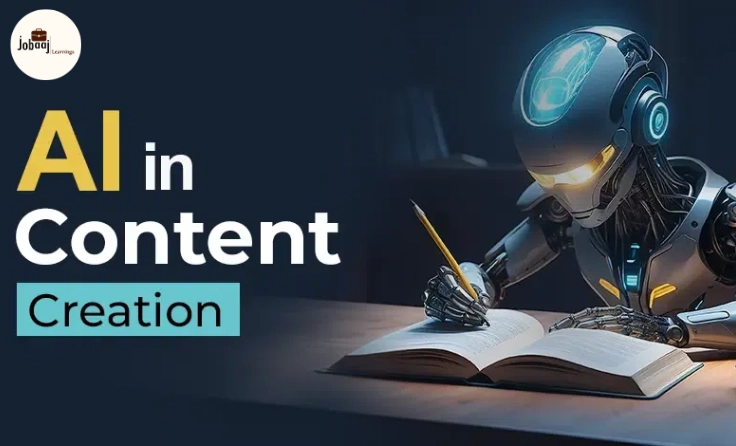
AI is also playing a growing role in content creation. Google has integrated AI-driven tools that can assist in generating content ideas, creating drafts, and even writing full articles. GPT-3 and other natural language processing (NLP) models are part of the content creation revolution, helping marketers scale their efforts quickly.
What this means for SEO:
-
AI-driven content creation tools are helping marketers save time. However, it’s important to use AI as a supplement, not a replacement. Google’s AI understands when content is generic or robotic, so be sure to make your content authentic and humanized.
-
Marketers need to balance AI-generated content with human creativity, ensuring the content remains engaging and relevant.
5. Improved User Experience with AI in Google Search
Google's AI is continuously learning from user interactions to enhance search experience and content ranking. By using AI, Google has become better at delivering search results that prioritize user satisfaction—this means that sites providing fast, accessible, and engaging experiences will rank higher.
What this means for SEO:
-
Website speed and mobile optimization are non-negotiable now. Google’s AI will prioritize websites that offer users a seamless experience—this includes fast loading times, easy navigation, and mobile responsiveness.
-
Core Web Vitals, which assess user experience metrics like loading speed, interactivity, and visual stability, are now directly tied to SEO ranking.
How to Adapt to Google’s AI Updates in Your SEO Strategy

With Google’s ongoing AI updates, staying ahead of the curve is crucial for marketers. Here’s how you can stay ahead of the game:
-
Focus on Content Relevance: Create content that addresses user intent, not just specific keywords. Make your content as comprehensive and valuable as possible.
-
Improve User Experience: Mobile optimization, page speed, and ease of navigation are now critical ranking factors. Ensure your website provides a seamless experience for all users.
-
Embrace AI Tools: Use AI-based tools to optimize your content, analyze trends, and automate repetitive tasks, but ensure that your final output maintains quality and authenticity.
-
Stay Updated: Google’s AI is constantly evolving, so staying updated on new changes and trends in SEO and digital marketing is essential.
Conclusion: Navigating the Future of SEO with Google AI
Google’s AI updates are reshaping the SEO landscape, making it more important than ever to create relevant, high-quality content and offer a superior user experience. As AI continues to influence search rankings, marketers who understand these updates and adapt quickly will be able to stay competitive. By focusing on user intent, improving your website's user experience, and utilizing AI-driven tools effectively, you can stay ahead in the rapidly evolving world of digital marketing.
Dreaming of a Performance Marketing Career? Start with Performance Marketing Certificate with Jobaaj Learnings.
Frequently asked questions
How does Google’s AI update affect SEO rankings?
Google’s AI updates focus on delivering better user experiences by understanding search intent and content relevance, making high-quality, informative content essential for ranking.
What changes should marketers expect with Google’s AI-powered search?
Marketers should expect a shift from keyword-heavy strategies to content that answers user queries and provides a seamless, engaging experience. Semantic search is now prioritized.
How can marketers use AI for personalized advertising?
AI helps in analyzing user behavior and delivering more personalized, targeted ads based on real-time data. It allows marketers to create more effective campaigns tailored to individual preferences.
Is AI-generated content effective for SEO?
AI-generated content can be effective when used as an assistant for content creation. However, it’s essential to maintain quality, authenticity, and alignment with your brand voice to achieve the best results.
What are Google’s AI-powered tools for content creation?
Google uses AI-powered tools like Google BERT for understanding natural language and AI-based writing assistants for content creation, helping marketers generate relevant, engaging content efficiently.
How can I improve my website’s user experience for better SEO rankings?
Optimize your website’s speed, mobile responsiveness, and ease of navigation. Google’s AI prioritizes websites that offer users a smooth, engaging experience across all devices.

Join 5,00,000+ Subscribers
Be a part of our ever growing community.