Categories














/content/learnings/assets/header/ManagementConsulting.svg)
/content/learnings/assets/header/InvestmentBanking.svg)


























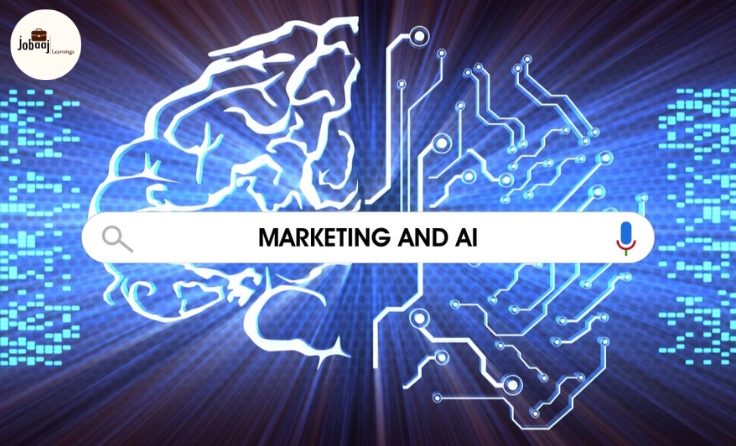
In the world of digital marketing, staying updated with Google’s ever-evolving algorithms and tools is like trying to catch a moving train. A few years ago, Google AI was just a buzzword, a technology discussed mainly in the tech industry. But now, it’s an integral part of every marketer’s strategy. Imagine working on a marketing campaign, and suddenly, Google announces a major update. You log in, read the latest news, and realize that your SEO strategy needs a complete overhaul. This is exactly what many marketers are facing today, with the most recent Google AI updates shaking up the landscape once again.
Exploring a career in Performance Marketing? Apply Now!
The recent Google AI updates are changing the way search engines operate, the way content is ranked, and the way we approach SEO, advertising, and customer engagement. In this blog, we will dive into the most important updates marketers should understand and how to adapt their strategies accordingly. Whether you are managing a personal blog, an e-commerce site, or a large-scale enterprise, these updates are critical to the future of your digital marketing efforts.
Key Changes in Google AI That Marketers Must Know
1. AI-Powered Search and Content Optimization
Google’s latest AI updates are bringing the power of machine learning and natural language processing (NLP) into search algorithms like never before. Now, it’s not just about keywords—Google is able to understand the context and intent behind the search query, delivering more relevant results based on user experience and search history.
What this means for marketers:
You must shift from a keyword-centric strategy to one that focuses on content relevance and user intent. Creating content that answers specific questions and provides real value will be prioritized by Google's AI.
Semantic search means that Google understands synonyms, related terms, and user search behavior better, which means you can focus more on creating high-quality content rather than overloading on keywords.
2. The Role of AI in SEO and Rankings
Google's AI now evaluates content not just based on relevance but also on the overall quality and authority of a webpage. RankBrain, BERT, and the newer MUM (Multitask Unified Model) have introduced new ways for Google to assess and rank websites. These AI models can process complex queries and rank pages accordingly, considering factors beyond just backlinks and keywords.
What this means for marketers:
On-page SEO is now more important than ever. Focus on creating comprehensive content that provides a deep understanding of the subject, answering both short-tail and long-tail queries.
Google's AI now prioritizes content that can deliver the best user experience—meaning fast-loading pages, mobile optimization, and clear, easy-to-navigate structures will be rewarded.
3. AI for Personalized Advertising
Google’s AI algorithms are revolutionizing ad targeting by allowing marketers to create more personalized, relevant ads. With machine learning, Google can analyze user behavior, preferences, and browsing patterns to deliver targeted ads at the right moment. This allows advertisers to optimize campaigns based on real-time data and customer behavior.
What this means for marketers:
Invest in AI-driven ad tools to segment your audience more effectively. By leveraging Google Ads and machine learning models, you can create hyper-targeted campaigns that drive better results.
Focus on remarketing campaigns that tailor ads based on previous user interactions, providing a personalized experience and increasing conversion rates.
4. AI-Powered Content Creation Tools
Google has begun integrating AI-driven tools that can assist marketers in creating content, from generating blog ideas to drafting headlines and even composing full articles. These tools use GPT-3 and natural language processing to generate human-like content at scale.
What this means for marketers:
While AI-generated content can help you scale your efforts, it’s essential to maintain authenticity and quality. Use AI as an assistant, not a substitute. Ensure that content is engaging and aligned with your brand voice.
AI tools can also help in analyzing trends and suggesting content strategies, ensuring that your blog posts, product descriptions, and social media content are always aligned with current trends.
5. Improved User Experience with AI in Google Search
Google's AI is continuously learning from user interactions to enhance search experience and content ranking. By using AI, Google has become better at delivering search results that prioritize user satisfaction—this means that sites providing fast, accessible, and engaging experiences will rank higher.
What this means for marketers:
Website speed and mobile optimization are non-negotiable now. Google’s AI will prioritize websites that offer users a seamless experience—this includes fast loading times, easy navigation, and mobile responsiveness.
Core Web Vitals, which assess user experience metrics like loading speed, interactivity, and visual stability, are now directly tied to SEO ranking.
How to Prepare for the Google AI Future in Marketing

With Google’s ongoing AI updates, staying ahead of the curve is crucial for marketers. Here’s how you can adjust your strategies:
-
Embrace AI-Powered Tools: Start utilizing AI-based tools for content creation, SEO optimization, and personalized advertising.
-
Focus on User Experience: Optimize your site’s speed, mobile compatibility, and ease of navigation. Ensure that your content is both engaging and user-friendly.
-
Adopt Data-Driven Decision Making: Use AI tools to analyze real-time data from your campaigns, adjust accordingly, and create more personalized marketing strategies.
Conclusion: Navigating the Future of Marketing with Google AI
Google’s AI updates have changed the marketing landscape. By understanding how these updates affect SEO, content creation, and advertising, you can stay ahead of the competition. The focus is shifting from just keywords to providing valuable, high-quality content that delivers real answers to user queries. As AI continues to grow, it will offer marketers even more powerful tools for creating personalized, impactful campaigns. Embrace these changes, leverage AI to your advantage, and keep refining your strategies to stay competitive in the digital marketing world.
Dreaming of a Performance Marketing Career? Start with Performance Marketing Certificate with Jobaaj Learnings.
Frequently asked questions
What are the most important changes in Google AI for marketers?
The most significant changes include AI-driven search improvements, personalized advertising, content optimization, and an increased focus on user experience in search rankings.
How does AI affect SEO and content marketing?
Google’s AI now prioritizes content relevance, user intent, and overall quality over simple keyword matching. This shift means marketers need to focus on creating high-quality, relevant content that answers user questions.
How can marketers use AI for personalized advertising?
AI helps in analyzing user behavior and delivering more personalized, targeted ads based on real-time data. It allows marketers to create more effective campaigns tailored to individual preferences.
Is AI-generated content effective for SEO?
AI-generated content can be effective when used as an assistant for content creation. However, it’s essential to maintain quality, authenticity, and alignment with your brand voice to achieve the best results.
What are Google’s AI-powered tools for content creation?
Google uses AI-powered tools like **Google BERT** for understanding natural language and **AI-based writing assistants** for content creation, helping marketers generate relevant, engaging content efficiently.
How can I improve my website’s user experience for better SEO rankings?
Optimize your website’s speed, mobile responsiveness, and ease of navigation. Google’s AI prioritizes websites that offer users a smooth, engaging experience across all devices.

Join 5,00,000+ Subscribers
Be a part of our ever growing community.