Categories








































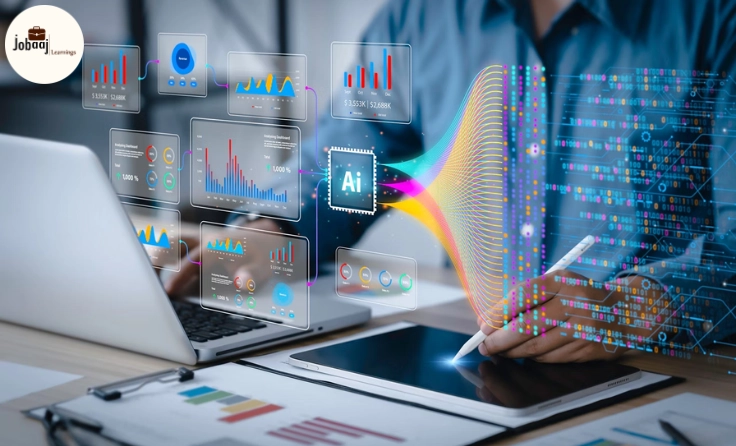
Picture this: it’s 2023, and AI is no longer just a futuristic concept—it’s here, and it's rapidly changing how we live, work, and interact. From advanced machine learning algorithms to breakthrough natural language processing models, AI is at the forefront of almost every major technological advancement today. Recently, AI research and development have been moving at a pace that’s hard to keep up with, with every new breakthrough making headlines and pushing the boundaries of what’s possible.
Exploring a career in Performance Marketing? Apply Now!
In this blog, we’ll dive into the latest major moves in AI research and development, examining the innovations, breakthroughs, and trends that are reshaping the future of artificial intelligence. Whether it’s cutting-edge models or new AI capabilities, these developments are sure to have a profound impact on industries ranging from healthcare to entertainment.
1. GPT-4: The Next Level of AI Language Models
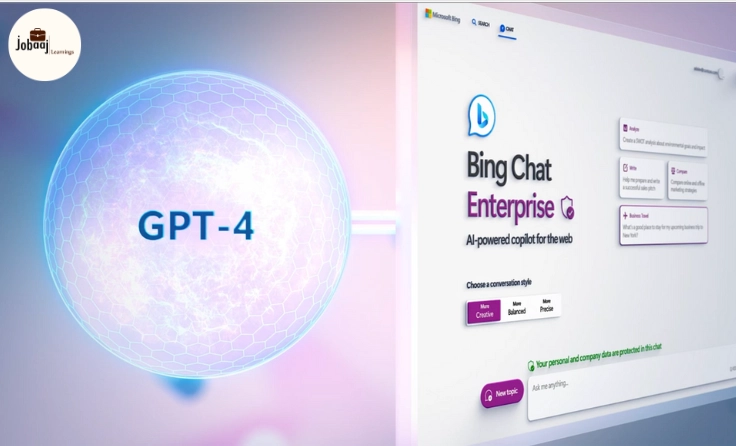
In the world of AI, GPT-4 has undoubtedly been one of the most talked-about developments in recent months. OpenAI’s latest language model is a giant leap forward compared to its predecessor, GPT-3. With more parameters, improved accuracy, and the ability to generate human-like text, GPT-4 is revolutionizing industries that rely heavily on text-based tasks, including content creation, customer service, and even legal and medical research.
One of the most significant improvements with GPT-4 is its ability to understand and generate nuanced responses based on complex prompts. This makes it a powerful tool for applications that require deep understanding, such as chatbots, writing assistants, and automated content creation tools.
2. AI in Healthcare: A Game Changer
AI’s role in healthcare has long been a subject of discussion, but recent advancements have shown just how transformative it can be. Researchers are increasingly turning to AI to improve diagnostics, drug discovery, and personalized medicine. For instance, AI algorithms are now capable of analyzing medical images with unprecedented accuracy, sometimes outperforming human doctors in detecting conditions like cancer or heart disease.
Moreover, AI-driven research is accelerating the development of new drugs and treatments. By analyzing vast datasets, AI can identify potential drug candidates and predict their effectiveness in record time, speeding up the traditionally slow process of drug discovery.
3. AI for Autonomous Vehicles: Driving the Future
One of the most exciting areas of AI research is its application in autonomous vehicles. Companies like Tesla, Waymo, and Cruise are pushing the envelope with self-driving cars, using AI to improve vehicle navigation, safety, and decision-making in real time. AI algorithms are trained to process data from cameras, sensors, and radar to navigate roads, avoid obstacles, and make decisions that a human driver would typically make.
As AI in autonomous vehicles becomes more sophisticated, we can expect to see greater advancements in transportation safety, efficiency, and the way cities are designed. These developments will revolutionize industries, from logistics to personal transportation.
4. AI in Creativity: From Art to Music
AI is no longer just a tool for technical tasks; it’s now being used to fuel creativity. Tools like DALL-E 2 and MidJourney are creating art from text prompts, pushing the boundaries of what we think is possible in the creative world. Artists and designers are collaborating with AI to generate unique artwork, while musicians are using AI to compose original music.
The implications of AI in creative fields are profound. It’s allowing people to create things that were once thought to be reserved for highly skilled professionals. As AI gets better at mimicking and even surpassing human creativity, we could see a future where machines and humans work together to create entirely new forms of art and music.
5. AI and Ethics: Navigating the Challenges
With all these exciting advancements, there’s also a growing conversation around the ethical implications of AI. As AI systems become more autonomous and powerful, questions around bias, privacy, and decision-making are becoming more urgent. Who is responsible when an AI makes a mistake? How do we ensure AI is used for the greater good and not to perpetuate harm?
Researchers and ethicists are working hard to address these issues, ensuring that AI development is transparent, fair, and ethical. As AI continues to evolve, it’s essential that we balance innovation with caution and ethical responsibility.
6. AI in Robotics: Making Machines Smarter
Robotics and AI are merging in ways that were once unimaginable. AI-powered robots are now being used in manufacturing, healthcare, and even in space exploration. These robots are capable of performing complex tasks with precision, such as assembling intricate components, assisting in surgeries, and even performing delicate space missions.
As AI continues to improve, robots will become more adaptive, autonomous, and capable of performing a wider variety of tasks. This shift will open up new opportunities in automation, making industries more efficient and safer.
Conclusion: The Future of AI is Now
AI research and development are moving faster than ever before, and the impact of these advancements is just beginning to be felt across all industries. From GPT-4 to AI-driven healthcare innovations and autonomous vehicles, AI is shaping the future in ways that were once unimaginable. But with this rapid growth comes a responsibility to ensure that AI is developed and used ethically. The future of AI holds limitless potential, and we’re only scratching the surface.
Dreaming of a Performance Marketing Career? Start with Performance Marketing Certificate with Jobaaj Learnings.
Frequently asked questions
What is GPT-4, and how does it improve on GPT-3?
GPT-4 is OpenAI's latest language model, offering improvements in accuracy, understanding, and text generation. It can handle more complex prompts and generate more nuanced responses compared to GPT-3, making it ideal for a wide range of applications.
How is AI revolutionizing healthcare?
AI is transforming healthcare by improving diagnostics, assisting in drug discovery, and enabling personalized treatments. AI algorithms can analyze medical images with greater accuracy than humans, helping doctors detect diseases earlier and more efficiently.
What role does AI play in autonomous vehicles?
AI is crucial in the development of autonomous vehicles, helping them navigate, avoid obstacles, and make decisions in real-time using sensors, cameras, and radar. AI improves the safety and efficiency of self-driving cars, pushing the future of transportation.
Can AI be creative?
Yes! AI tools like DALL-E 2 and MidJourney are now used to create art, music, and even write poetry. These AI systems use algorithms to generate creative outputs based on text prompts, providing artists and creators with new ways to express themselves.
What ethical concerns are there with AI development?
As AI becomes more powerful, ethical concerns around bias, privacy, and accountability are emerging. Ensuring AI is developed transparently and used responsibly is crucial to prevent harm and ensure fair applications of AI technologies.
How are AI and robotics being combined?
AI-powered robots are being used in various industries such as healthcare, manufacturing, and space exploration. These robots are becoming more autonomous, capable of performing complex tasks with precision, helping industries become more efficient and safe.

Join 5,00,000+ Subscribers
Be a part of our ever growing community.