Categories








































Explain the Concept of User-Centered Design: Best Practices & Benefits

In today’s world, where user experience (UX) plays a crucial role in the success of digital products, understanding and implementing User-Centered Design (UCD) is more important than ever. Whether you're developing a website, app, or software, ensuring that your design caters to the needs, preferences, and behaviors of your users is key to creating a product that resonates with them.
Exploring a career in Web Development? Apply now!
User-Centered Design focuses on making the user's experience the top priority throughout the design and development process. It’s about understanding your users, iterating designs based on their feedback, and continuously refining the product to align with their expectations. In this blog, we will explore the core principles of User-Centered Design, how it benefits both users and businesses, and how to apply it in your projects.
What is User-Centered Design (UCD)?
User-Centered Design (UCD) is a design methodology that prioritizes the needs, wants, and limitations of the end user during every stage of the design process. Instead of focusing solely on functionality or business goals, UCD ensures that the user’s perspective is at the heart of the design.
The approach typically follows a cyclical process of research, design, testing, and refinement. The aim is to create products that are intuitive, accessible, and easy to use, ultimately leading to a more satisfying user experience. UCD puts users in the driver’s seat, allowing them to inform the design decisions with their real-world experiences and needs.
Key Principles of User-Centered Design
1. Understanding the User
The foundation of User-Centered Design lies in understanding your users—who they are, what they need, how they think, and what their goals are. This is achieved through research methods like user interviews, surveys, focus groups, and user personas.
- User Personas: These are detailed profiles that represent a segment of your target audience. They help you better understand the user’s needs, goals, behaviors, and frustrations. Personas guide design decisions and ensure that the product aligns with the user's expectations.
- User Research: Collecting data from your audience helps uncover pain points and identify opportunities to improve the user experience. This data-driven approach keeps your design grounded in real user needs rather than assumptions.
2. Iterative Design Process
User-Centered Design is an iterative process, meaning that designs are constantly tested, refined, and improved. Each iteration brings the product closer to meeting the users’ needs and preferences. Here’s how it works:
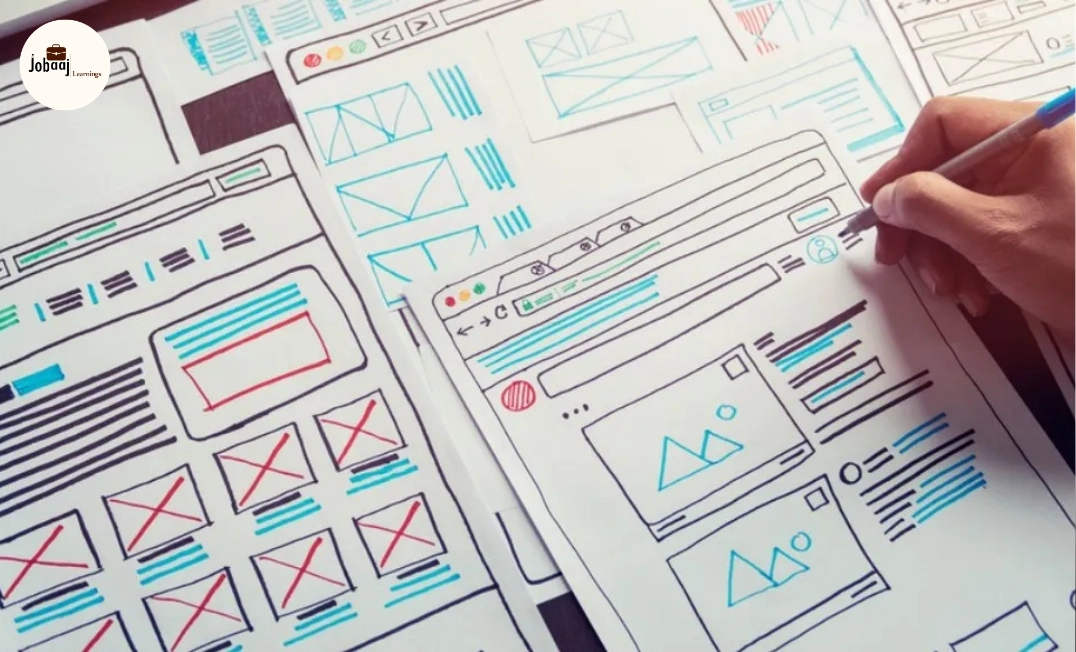
- Prototyping: Prototypes are built to visualize ideas and allow users to interact with the design. These early models help uncover usability issues that might not have been apparent in theory.
- Testing and Feedback: After creating a prototype, it’s tested with real users to gather feedback. This feedback is then used to make improvements in the next iteration of the design.
- Repeat: This cycle of prototyping, testing, and refining continues until the design meets the needs of users and aligns with business objectives.
3. Usability
The goal of User-Centered Design is to make products that are usable, meaning that users can navigate them intuitively with minimal confusion or frustration. To achieve this, the product must meet the following criteria:
- Ease of Use: The design should require minimal learning and allow users to accomplish their tasks quickly and effectively.
- Efficiency: The product should make users’ tasks easier and faster to perform. This could mean streamlining interactions or simplifying workflows.
- Error Prevention: A well-designed product minimizes the likelihood of errors and provides easy-to-understand recovery options when mistakes happen.
4. User Involvement
User-Centered Design emphasizes active user participation in the design process. This involvement can take many forms:
- User Testing: Regular testing with real users allows you to observe how they interact with the design and gather valuable insights.
- Co-Designing: Some UCD methods involve users in the creation process, asking for their input during brainstorming and ideation stages.
By making users part of the process, you ensure that the product evolves based on their input, which leads to a product that is more in tune with their needs.
5. Contextual Design
Contextual design takes into account the environment in which the user interacts with the product. This includes understanding factors such as:
- Physical Environment: Are users interacting with the product on mobile devices while on the go, or on desktop computers in a quiet office?
- Cultural Context: How do users from different cultural backgrounds interact with digital interfaces?
By considering the full context in which the user will engage with the product, UCD ensures that the design is as effective and relevant as possible in real-world situations.
Benefits of User-Centered Design
1. Improved User Satisfaction
When the design process centers around the users, the end result is a product that aligns with their expectations. This leads to higher user satisfaction, which is crucial for customer retention and positive brand perception.
2. Increased Efficiency
A user-friendly design allows users to complete tasks more quickly and with fewer errors. As a result, businesses can see increased productivity and efficiency, whether that’s through better employee tools or enhanced customer experiences.
3. Competitive Advantage
In a crowded market, offering a product that delivers an exceptional user experience can give you a significant edge over competitors. When users enjoy interacting with your product, they’re more likely to become loyal customers, recommend it to others, and share their positive experiences.
4. Reduced Costs
By identifying usability issues early on through user testing and prototyping, UCD helps avoid costly mistakes later in the development process. Additionally, a well-designed product can reduce the need for ongoing customer support, which lowers operational costs.
Implementing User-Centered Design in Your Projects
Here’s a step-by-step approach to incorporating User-Centered Design into your projects:
- Conduct User Research: Start by understanding your users. Conduct interviews, surveys, or observations to gather valuable data.
- Develop Personas: Create user personas that represent your target audience, ensuring that all stakeholders align with the user’s needs and expectations.
- Prototype and Test: Build low-fidelity prototypes and test them with real users. Gather feedback and refine the design accordingly.
- Iterate and Improve: Continuously iterate on your design, incorporating user feedback and making necessary adjustments to improve usability.
- Launch and Gather Feedback: Once the product is live, continue to gather feedback to make any final improvements and ensure ongoing user satisfaction.
Conclusion
User-Centered Design is a powerful approach that ensures your product not only meets business goals but also resonates with the people who will use it. By keeping the user at the center of the design process, you create products that are intuitive, effective, and engaging. Whether you're designing a website, app, or software, adopting a user-centered approach can lead to better user experiences, increased satisfaction, and improved business outcomes.
Dreaming of a Web Development Career? Start with Web Development Certificate with Jobaaj Learnings.
Frequently asked questions
What is User-Centered Design (UCD)?
User-Centered Design is a design methodology that prioritizes the needs, behaviors, and goals of the end user throughout the entire design process. The focus is on creating products that are intuitive, user-friendly, and meet the specific needs of the target audience.
Why is User-Centered Design important?
User-Centered Design ensures that products are not only functional but also provide a positive and engaging experience for users. By keeping the user’s needs at the forefront, businesses can improve customer satisfaction, increase efficiency, and reduce the risk of costly design mistakes.
How do you implement User-Centered Design in your projects?
To implement UCD, start by conducting user research, such as surveys and interviews, to understand user needs. Develop personas to guide design decisions, create prototypes to test with users, gather feedback, and iterate on the design until it meets the users’ needs effectively.
What are some benefits of User-Centered Design?
Benefits of UCD include improved user satisfaction, increased efficiency, a competitive advantage in the market, and reduced costs due to early identification of usability issues. UCD also leads to better customer loyalty and a stronger product-market fit.
What is the difference between User-Centered Design and traditional design methods?
Traditional design methods often prioritize business goals and technical specifications, whereas User-Centered Design places the user’s needs and experience at the forefront. UCD involves continuous user feedback and iterative testing to ensure the product truly meets the user’s expectations.
Join 5,00,000+ Subscribers
Be a part of our ever growing community.