Categories







































Designing products that truly resonate with users requires more than just creativity and technical skill it requires listening to your users. In today’s world, where user experience is at the heart of every successful product, incorporating user feedback is a fundamental part of the design process. But how do you gather this feedback? And more importantly, how do you effectively integrate it into your design?
Exploring a career in Web Development? Apply now!
In this blog, we will explore why user feedback is so important and walk you through the different methods of collecting it, along with strategies for incorporating it into your designs. Whether you're designing a website, app, or a software product, user feedback can be the secret ingredient that takes your designs to the next level.
Why is User Feedback Important in the Design Process?
User feedback is a vital part of the design process because it provides insights into how actual users interact with your product. By incorporating user feedback, you ensure that the product is:
- Relevant: Meeting the needs and expectations of your target audience.
- Intuitive: Easy to use and navigate.
- Engaging: Offering an experience that resonates with users.
- Efficient: Helping users complete tasks quickly and effectively.
Without incorporating feedback, designers can fall into the trap of creating in a vacuum, which may lead to a product that’s not aligned with user needs, leading to poor adoption and user dissatisfaction.
How to Collect User Feedback
The first step in incorporating user feedback is to gather it effectively. Here are several methods you can use to collect valuable insights from your users:
1. User Interviews
User interviews are a great way to gather qualitative feedback. Speaking directly to users allows you to understand their thoughts, feelings, and opinions about your product.
- How to use it: During an interview, ask open-ended questions and let users express their experiences, frustrations, and expectations in detail. Focus on understanding their emotional responses to your product, as these can offer invaluable insights.
- Example questions:
- "What do you find most useful about the product?"
- "What do you struggle with the most when using the product?"
- "How can we improve your experience?"
2. Surveys and Questionnaires
Surveys and questionnaires allow you to gather feedback from a larger sample of users, providing both quantitative and qualitative insights.
- How to use it: Create a mix of open-ended and closed-ended questions that can help you understand user satisfaction, pain points, and improvement areas.
- Example questions:
- "On a scale of 1-10, how satisfied are you with the current features of the app?"
- "What additional features would you like to see?"
3. Usability Testing
Usability testing involves observing real users as they interact with your design. This method helps identify usability issues that may not be obvious through other forms of feedback.
- How to use it: Set up a task for users to complete using your product, and observe how they navigate through it. Pay attention to any areas where users seem confused or frustrated.
- Example tasks:
- "Can you sign up for an account on the website?"
- "Please find the product you want to purchase and proceed to checkout."
4. Analytics and Heatmaps
Analytics tools such as Google Analytics or heatmap tools like Hotjar can help you understand how users behave on your website or app. By tracking user interactions, clicks, scrolls, and session durations, you can identify pain points and areas that need improvement.
- How to use it: Use heatmaps to see where users are clicking or spending most of their time. If users are ignoring a crucial button, for example, it may indicate a design issue. Analyze the data to spot patterns in user behavior and use these insights to guide design adjustments.
Incorporating Feedback into the Design Process
Once you’ve collected valuable feedback, it’s time to incorporate it into your designs. This requires a structured approach that allows you to use feedback effectively without overwhelming the design process. Here’s how to do it:
1. Categorize Feedback
Organize the feedback into categories based on common themes. This makes it easier to address the feedback in a meaningful way. Categories can include:
- Usability issues (e.g., confusing navigation, difficulty finding key features)
- Aesthetic issues (e.g., color schemes, typography choices)
- Functionality requests (e.g., new features, enhancements)
- Performance issues (e.g., slow loading times, crashes)
2. Prioritize Feedback
Not all feedback is equally important. Some issues are critical for usability and user experience, while others may be more subjective or less urgent. Prioritize feedback based on:
- Impact on user experience: Address issues that hinder core tasks or frustrate users.
- Feasibility: Consider how easy or difficult it is to implement certain changes.
- Alignment with business goals: Some feedback may be important for improving conversion rates, engagement, or customer retention.
3. Prototype and Test Solutions
Once you’ve prioritized the most critical feedback, begin prototyping solutions. Whether it’s making design tweaks or adding new features, create a prototype or wireframe of the changes. Then, conduct further usability testing to validate that the changes address the issues and improve the user experience.
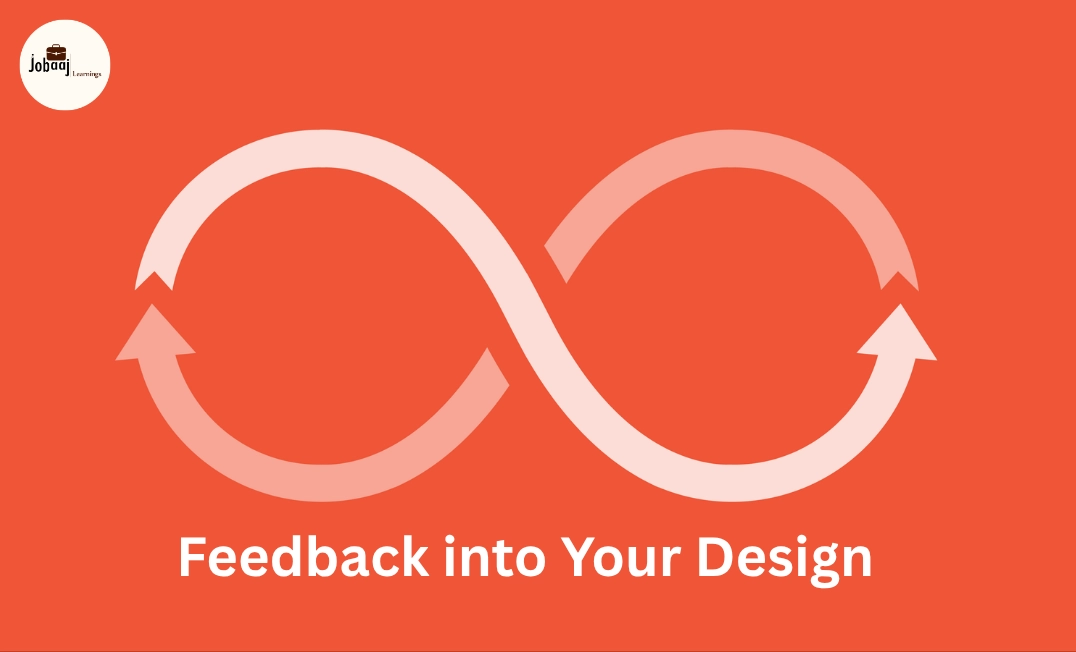
4. Iterate Based on Continuous Feedback
Incorporating user feedback is an ongoing process. Even after implementing changes, continue to test the product with users and gather more feedback to refine the design further. Design is not a one-time process but an iterative journey toward continuous improvement.
Results of Incorporating User Feedback
By effectively incorporating user feedback into the design process, you can achieve several positive outcomes:
- Improved user satisfaction: When users feel heard, they are more likely to enjoy using your product and recommend it to others.
- Better product usability: Feedback allows you to identify and resolve usability issues, making your product more intuitive.
- Higher conversion rates: Addressing pain points and improving the user experience can lead to higher engagement and conversion rates.
- Innovation and competitiveness: User feedback can drive new features and improvements that differentiate your product in the market.
Conclusion
Incorporating user feedback is essential to building products that meet the needs and expectations of your audience. Through methods like user interviews, usability testing, and data analytics, you can gather valuable insights that will inform the design process. By actively involving users in the design cycle and iterating based on their feedback, you create products that offer a better user experience, higher engagement, and long-term success. Remember, user feedback is a powerful tool that, when applied correctly, can set your product apart from the competition and ensure that it truly serves its users.
Dreaming of a Web Development Career? Start with Web Development Certificate with Jobaaj Learnings.
Frequently asked questions
What is user feedback in design?
User feedback in design refers to the insights and opinions gathered from users about their experience with a product. This feedback helps designers understand what users like, dislike, and need, guiding design decisions to improve the overall user experience.
How can I collect user feedback for my design?
You can collect user feedback through various methods such as user interviews, surveys, usability testing, and analyzing data from tools like Google Analytics or heatmaps. These methods allow you to gather both qualitative and quantitative insights from users.
Why is user feedback important in design?
User feedback is important because it helps ensure that the product meets user expectations, solves user problems, and provides a positive experience. It allows designers to identify issues early in the process and improve the product to better meet user needs.
What should I do with the feedback I collect from users?
Once you collect feedback, categorize and prioritize it based on its impact on user experience. Then, incorporate the changes into your design, prototype the solutions, and test them with users to ensure the issues are resolved. Continuous iteration based on feedback is key to a successful product.
How can I ensure I am gathering the right feedback?
Ensure you're gathering the right feedback by asking specific, open-ended questions during interviews or surveys and observing how users interact with your product. Pay attention to both their verbal responses and their actions. Additionally, use analytics to track behavior patterns and identify areas of improvement.

Join 5,00,000+ Subscribers
Be a part of our ever growing community.