Categories








































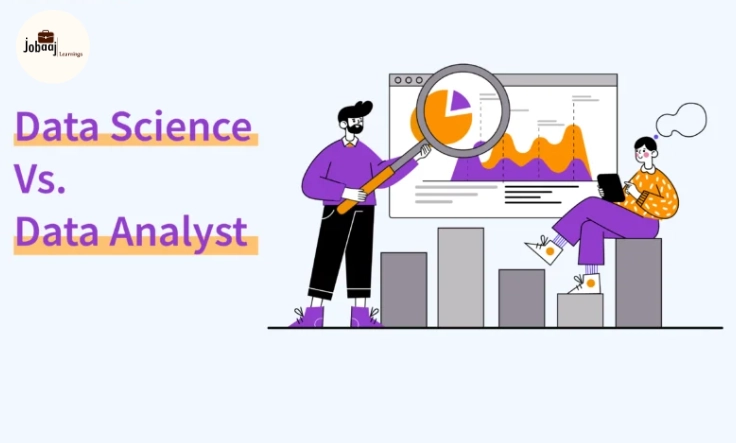
It was a sunny afternoon when John, a business executive at a growing tech startup, found himself stuck in a meeting with his marketing team. The company had been collecting vast amounts of data, but they had no idea how to extract meaningful insights that could improve their marketing strategy. That's when Maria, a data specialist, suggested they bring in a data scientist.
Exploring a career in Data Analytics? Apply Now!
"Wait," John thought, "Isn't that the same thing as a data analyst?" He was puzzled. The terms data science and data analytics were often thrown around in conversations, but he didn’t understand the differences. After a quick explanation, he realized that these two fields, while closely related, played very different roles in a business.
In this blog, we’ll explore the key differences between data science and data analytics, two of the most important fields in the world of data-driven decision making.
What is Data Science?
At its core, data science is about extracting valuable insights from large sets of data using advanced techniques and algorithms. It involves not only analyzing historical data but also using machine learning and predictive modeling to forecast future trends and outcomes.
Key Features of Data Science:
-
Predictive Analysis: Data scientists use machine learning models to predict future trends based on past data.
-
Big Data Processing: Data science handles large volumes of structured and unstructured data (big data).
-
Advanced Algorithms: Data scientists often use programming languages like Python or R to build complex algorithms for data analysis.
Tools and Techniques Used in Data Science:
-
Machine Learning: Data scientists often build models that can learn from data and make predictions.
-
Statistical Analysis: Advanced statistical techniques are used to understand relationships and draw conclusions from data.
-
Data Mining: The process of discovering patterns and correlations in large datasets.
In essence, data science is more about using complex models and algorithms to generate predictions and build systems that can improve decision-making.
What is Data Analytics?
On the other hand, data analytics focuses on analyzing historical data to identify trends and provide actionable insights. It’s often seen as the process of examining data sets to draw conclusions about the information they contain. While data science deals with complex models and predictions, data analytics is more about making sense of existing data to help businesses make informed decisions.
Key Features of Data Analytics:
-
Descriptive Analysis: Data analysts focus on interpreting historical data to understand past events and trends.
-
Actionable Insights: Data analytics helps in turning raw data into useful insights that guide business decisions.
-
Business Intelligence: Data analytics is often used in dashboards and reports to track key performance indicators (KPIs) and inform business strategies.
Tools and Techniques Used in Data Analytics:
-
Excel: A key tool for analyzing and visualizing data, often used by data analysts.
-
SQL: A powerful tool for querying databases to retrieve specific data for analysis.
-
Tableau and Power BI: Tools for data visualization and building interactive dashboards.
In a business context, data analytics often involves answering specific questions, such as, "What happened?" or "Why did it happen?" It’s more about understanding and interpreting data to make better decisions.
Key Differences Between Data Science and Data Analytics
Although both fields deal with data, they have distinct purposes and applications. Let’s break down the key differences:
| Aspect | Data Science | Data Analytics |
|---|---|---|
| Primary Focus | Uses advanced techniques and algorithms to predict future outcomes. | Analyzes past data to identify trends and generate insights. |
| Tools and Techniques | Programming (Python, R), machine learning, predictive modeling. | SQL, Excel, Tableau, Power BI, descriptive statistics. |
| Nature of Work | Builds models, algorithms, and systems for data prediction. | Provides insights through reporting, visualizations, and dashboards. |
| Skills Required | Requires knowledge of advanced statistics, machine learning, and programming. | Requires expertise in data querying, data manipulation, and visualization. |
| End Goal | Predicts future trends, builds automated systems. | Helps businesses make decisions based on past data and trends. |
When Should You Choose Data Science vs Data Analytics?
-
Choose Data Science if:
-
You want to work on predictive modeling or machine learning.
-
You are comfortable with programming and building algorithms.
-
You are interested in working with big data and creating data-driven systems.
-
-
Choose Data Analytics if:
-
You want to analyze historical data to uncover trends and insights.
-
You prefer working with tools like Excel and Tableau.
-
You are interested in business intelligence and reporting.
-
Conclusion: Data Science and Data Analytics – Two Sides of the Same Coin
In conclusion, both data science and data analytics play crucial roles in the world of data-driven decision-making. While data science focuses on using advanced algorithms and predictive models to forecast future trends, data analytics is about interpreting past data to uncover insights that can guide business strategies.
Both fields require a strong foundation in data, but the skill sets differ. Whether you choose data science or data analytics, both careers offer exciting opportunities to work with data and make a significant impact on business success.
As businesses continue to embrace data-driven decision-making, the demand for both data scientists and data analysts will continue to rise, offering abundant opportunities for those who are passionate about working with data.
Dreaming of a Data Analytics Career? Start with Data Analytics Certificate with Jobaaj Learnings.
Frequently asked questions
What is the main difference between data science and data analytics?
Data science involves using advanced techniques like machine learning to predict future trends, while data analytics focuses on analyzing historical data to uncover insights and trends.
Which career is better, data science or data analytics?
Both careers are valuable. Data science is suited for those interested in predictive modeling and algorithms, while data analytics is for those who enjoy working with historical data to generate actionable insights.
What tools are used in data science?
Data science typically uses tools like **Python**, **R**, **SQL**, and machine learning libraries such as **TensorFlow** and **Scikit-learn**.
What tools are used in data analytics?
Data analytics commonly involves tools like **Excel**, **SQL**, **Tableau**, and **Power BI** for analyzing and visualizing data.
Do I need programming skills for data analytics?
While programming skills are beneficial, they are not always required in data analytics. **SQL** and **Excel** are often sufficient for most tasks, but knowledge of **Python** or **R** can help with more advanced analyses.
Can I transition from data analytics to data science?
Yes, many data analysts transition to data science by learning programming languages like **Python**, gaining experience with **machine learning**, and deepening their understanding of **predictive modeling**.

Join 5,00,000+ Subscribers
Be a part of our ever growing community.