Categories








































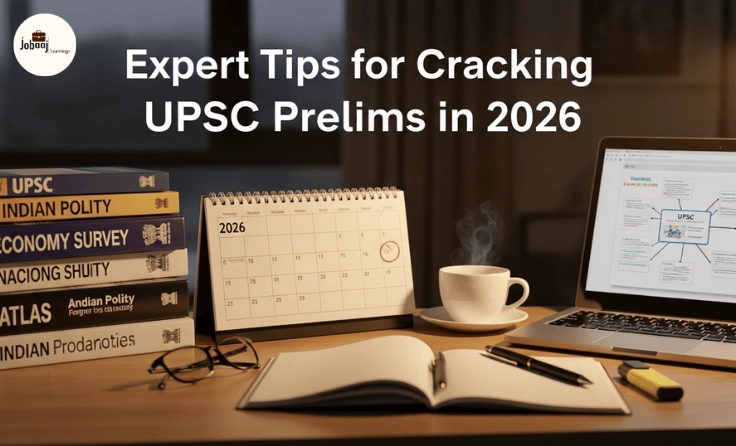
The dream of joining the Indian Civil Services is a cherished goal for many. With the UPSC Prelims exam being one of the toughest and most competitive exams in India, it’s natural to feel a mix of excitement and anxiety as the exam day approaches. But here’s the good news: with the right strategy, dedication, and focus, you can crack the UPSC Prelims in 2026.
Think of the UPSC Prelims as a gateway to one of the most prestigious careers in India. Every year, thousands of aspirants pour their heart and soul into preparing for this exam. But why do some succeed, while others struggle? The answer lies in the strategy you adopt. It’s not just about hard work—it’s about smart work.
So, what should you do in the next few months to give yourself the best shot at success? Let’s break down some expert tips for cracking the UPSC Prelims in 2026, and how you can maximize your chances.
Understand the UPSC Prelims Exam Pattern Thoroughly
Before diving into preparation, it’s crucial to understand the exam pattern inside out. The UPSC Prelims consists of two papers:
-
General Studies Paper I: This paper tests your knowledge of current affairs, history, geography, polity, economics, and more. It’s the primary screening paper.
-
Civil Services Aptitude Test (CSAT) Paper II: This paper assesses your logical reasoning, analytical ability, decision-making skills, and comprehension. It’s qualifying in nature, but scoring well is essential to clear the overall exam.
Understanding the nuances of these two papers will allow you to structure your preparation efficiently. The General Studies Paper I is the key paper, so devote more time to it while keeping CSAT as a secondary focus.
Create a Realistic Study Plan and Stick to It
The importance of having a well-structured study plan cannot be overstated. The vast syllabus of the UPSC Prelims can seem overwhelming, but a proper plan will help break it down into manageable sections.
Here’s how to build your study plan:
-
Set Daily Goals: Divide the syllabus into daily, weekly, and monthly goals. Ensure your daily goals are achievable and focus on understanding concepts, not just memorization.
-
Prioritize Topics: Identify high-yield topics based on previous years’ papers. Focus on areas that frequently appear in the exam, such as Indian Polity, Economy, Geography, and Current Affairs.
-
Study Hours: Dedicate at least 6–8 hours a day to studying for the Prelims. However, remember that quality matters more than quantity. Focus on focused, distraction-free study sessions.
-
Take Regular Breaks: Overworking yourself will only lead to burnout. Follow the Pomodoro Technique or any similar method to keep your mind fresh.
A consistent and disciplined study plan will keep you on track and reduce last-minute panic as the exam day approaches.
Focus on Current Affairs and Make It a Habit
Current Affairs play a crucial role in the General Studies Paper I. The questions are often based on what’s happening in the country and the world. From politics to international relations, from economic policies to environmental concerns, the scope is wide.
How to prepare for Current Affairs:
-
Read Newspapers: The Hindu and The Indian Express are the best newspapers for UPSC preparation. Make it a habit to read these papers daily, and take notes on relevant articles.
-
Follow Reliable Online Platforms: Websites like Insights on India, Vision IAS, and Byju’s provide daily updates on current affairs with concise analysis.
-
Revise Regularly: Don’t let your notes pile up. Revise current affairs regularly, ideally weekly or bi-weekly, to keep them fresh in your mind.
Current Affairs are an integral part of the Prelims exam, so stay updated and make it a daily habit.
Focus on NCERT Books for Basics
While standard books like Laxmikanth for Polity and GC Leong for Geography are essential, don’t underestimate the power of NCERT textbooks. These books lay the foundation for understanding complex concepts, and they cover key topics in the UPSC syllabus in a simplified way.
-
Class 6 to 12 NCERTs: Read them thoroughly for subjects like History, Geography, Polity, and Economics. They help you grasp basic concepts and will also make understanding the advanced textbooks much easier.
-
Don’t Skip Revision: Go through your NCERT books multiple times. The clearer your foundation, the easier it is to tackle tougher topics.
Practice Previous Year Papers and Mock Tests
Practice is crucial for time management and improving your accuracy in the exam. Previous years' papers and mock tests simulate the real exam environment, allowing you to identify weak spots and get comfortable with the exam pattern.
-
Solve Mock Papers: Take at least two mock tests per week to get a feel for the timing and the type of questions asked.
-
Analyze Your Mistakes: After every mock test, analyze the areas where you went wrong and improve. This helps identify patterns in your mistakes and allows you to focus on weak areas.
-
Time Management: UPSC Prelims is a race against time. Practicing will help you manage your time better and avoid getting stuck on difficult questions during the exam.
Improve Speed and Accuracy with CSAT
While the CSAT paper is qualifying, you must focus on improving speed and accuracy in solving problems, especially in the areas of reasoning, comprehension, and decision-making.
-
Practice Arithmetic and Logical Reasoning: Regularly solve questions from these topics to build speed. Apps or online platforms with CSAT-specific mock tests can be a great tool for this.
-
Reading Comprehension: Focus on reading comprehension exercises to improve both speed and understanding. Many candidates struggle with this section, so regular practice is essential.
Stay Healthy, Rested, and Mentally Prepared
Your mind is your most valuable asset during UPSC preparation. While it’s easy to get lost in endless hours of study, it’s essential to take care of your mental and physical health to perform at your best.
-
Sleep: Ensure you get 7-8 hours of sleep every night. Lack of sleep affects memory and concentration, which are crucial for your preparation.
-
Exercise: Regular physical activity keeps you energized and helps relieve stress. Even a short walk or stretching exercises can help clear your mind.
-
Stay Positive: UPSC preparation is a long journey, and there will be ups and downs. Stay motivated and remind yourself why you started this journey in the first place. Positive thoughts and self-belief are key to staying on track.
Stay Consistent and Don’t Get Disheartened
The journey to clearing the UPSC Prelims is challenging, but consistency is the key to success. There will be times when progress feels slow, and doubts may creep in. But remember, small, consistent efforts will always pay off in the long run.
-
Stay Focused: Keep your eyes on the goal. Understand that UPSC preparation is not about cramming but about understanding concepts and building knowledge.
-
Adapt Your Strategy: If something isn’t working, don’t hesitate to change your approach. Keep evolving and adapting as you go.
Conclusion
Cracking the UPSC Prelims in 2026 is within your reach if you follow the right strategy and stay dedicated. With a well-planned study schedule, regular practice, and a focus on your health and well-being, you’ll be well on your way to success.
Remember, preparation for UPSC is not just about hard work but also about smart work. Stay consistent, keep a positive mindset, and ensure that your preparation journey is as effective as possible.
Frequently asked questions
What is the UPSC Prelims exam pattern?
The UPSC Prelims consists of two papers: General Studies Paper I (which tests knowledge of current affairs, general knowledge, and more) and CSAT Paper II (which assesses aptitude, logical reasoning, and comprehension skills).
How can I improve my chances of clearing UPSC Prelims?
Focus on understanding the syllabus, stay consistent with your study plan, practice mock tests, and stay updated on current affairs. Also, ensure you maintain your mental and physical health during preparation.
Should I focus on NCERT books for UPSC Prelims preparation?
Yes, NCERT books are essential for building a strong foundation in subjects like History, Geography, Polity, and Economics. These books simplify concepts and make it easier to understand more advanced topics.
What’s the best way to prepare for current affairs for UPSC Prelims?
Read newspapers daily (like The Hindu or The Indian Express), follow reliable online platforms, and keep revising your notes regularly. Stay updated on national and international events, government schemes, and policies.
How important are mock tests for UPSC Prelims?
Mock tests are crucial for practicing time management, improving accuracy, and understanding the exam format. They help you identify weak areas and prepare more effectively for the actual exam.
How do I stay motivated during UPSC Prelims preparation?
Set small goals, track your progress, and remind yourself of your ultimate goal. Surround yourself with a supportive community, take breaks when needed, and keep a positive mindset throughout your preparation journey.

Join 5,00,000+ Subscribers
Be a part of our ever growing community.