Categories








































Imagine you’re a student working through an online course. The content is informative, but the experience feels dry, and soon you find your motivation slipping. However, what if your lessons were presented like a game? Points, badges, leaderboards, and challenges that reward you for completing sections? Suddenly, the course becomes more exciting, and your drive to complete it increases significantly. This is the power of gamification in eLearning.
Exploring a career in Performance Marketing? Apply Now!
Gamification in eLearning is the integration of game-like elements into educational experiences to enhance engagement, motivation, and retention. With the advent of technology and the rise of online learning platforms, gamification has become a game-changer (no pun intended) for education. It introduces fun elements into learning environments that traditionally might feel boring or challenging. In today’s competitive world, this approach is being utilized by organizations and educational institutions to make learning more interactive and enjoyable. In this blog, we will explore how gamification is revolutionizing eLearning and why it’s an essential strategy for boosting motivation and retention.
What is Gamification in eLearning?
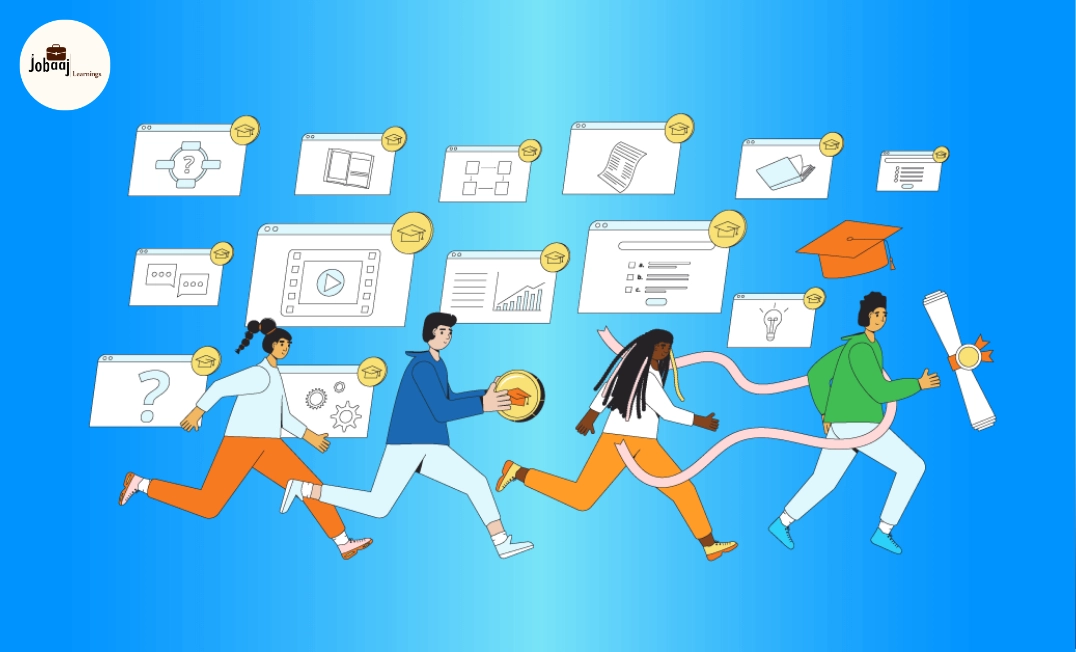
Gamification in eLearning is the process of incorporating game mechanics, such as rewards, challenges, levels, and leaderboards, into educational environments to make learning more engaging. Instead of simply presenting information, gamified eLearning systems encourage learners to actively participate, compete, and enjoy the process. These elements can include earning points, unlocking achievements, or completing quizzes and assignments to level up, similar to a video game.
The aim is not to turn learning into a game per se, but rather to make learning experiences more enjoyable and rewarding. By introducing challenges, feedback systems, and a sense of accomplishment, gamification motivates learners to stay engaged, thereby improving knowledge retention.
Why Gamification Works for Motivation
-
Enhanced Engagement: Traditional learning methods often fail to keep students engaged, especially in a digital format. Gamification introduces a dynamic element to the learning process. By setting challenges and giving rewards, learners feel more involved and are more likely to complete their tasks.
-
Instant Feedback: One of the core principles of gamification is the immediate feedback it provides. When learners complete a task or achieve something, they get instant recognition, either in the form of points or badges. This instant gratification keeps them motivated to continue learning.
-
Competition and Reward Systems: By incorporating leaderboards and achievements, learners can see how they are performing compared to their peers. This healthy competition motivates them to push further and outperform their previous scores, contributing to higher engagement levels.
-
Personalized Learning Experience: Gamified platforms often allow learners to proceed at their own pace, and levels or points systems cater to different learning speeds. This personalized approach ensures that learners do not feel overwhelmed or bored and can progress based on their understanding.
-
Increased Autonomy: Gamification provides learners with a sense of control over their progress. Learners can set their own goals, unlock content, or challenge themselves to reach new levels, which increases their sense of autonomy in the learning process.
Gamification's Impact on Retention Rates
Retention in eLearning can be a significant challenge, as students often lose interest or forget the information learned. Gamification helps combat this by making learning more engaging and fun, which in turn improves long-term retention. Here’s how gamification impacts retention:
-
Active Participation: When learners are engaged in interactive content, they’re more likely to remember what they’ve learned. Active participation through quizzes, challenges, and games helps to reinforce key concepts, making them easier to recall.
-
Continuous Reinforcement: Gamified elements like levels, rewards, and achievements provide continuous reinforcement. This repetition helps reinforce learning, which is essential for memory retention. Learners are also more likely to revisit content to collect more rewards or complete levels.
-
Motivation to Return: As learners are rewarded for their progress and achievements, they’re more likely to return and continue their learning journey. This increased motivation reduces the dropout rate and keeps learners coming back for more.
-
Gamified Assessments: Instead of traditional assessments that may cause anxiety, gamified assessments offer a less intimidating way to test knowledge. Learners may feel more confident in their ability to succeed when the assessment is part of the game, leading to better performance and retention.
Types of Gamification Elements Used in eLearning
-
Badges and Achievements: These are awarded to learners when they accomplish a specific task, such as completing a module or answering a set of questions correctly. They serve as both a recognition and motivation tool.
-
Leaderboards: Leaderboards display rankings of learners based on their performance. This introduces a competitive element that encourages learners to work harder to improve their ranking.
-
Levels and Progress Bars: By progressing through levels, learners can see how much they have accomplished. Progress bars offer visual cues to track progress, which keeps learners motivated to complete the course.
-
Points Systems: Points can be earned for completing tasks, answering questions, or participating in quizzes. These points can then be used to unlock new content or gain access to rewards, creating an incentive to keep learning.
-
Quests and Challenges: These are tasks or challenges that students must complete to earn rewards. They introduce a sense of adventure and help learners feel like they’re progressing toward a goal.
How to Implement Gamification in eLearning
-
Start with Clear Learning Goals: Before implementing gamification, ensure that the learning objectives are clearly defined. The gamified elements should align with these goals to enhance the learning experience and not distract from the core content.
-
Choose the Right Gamification Tools: Use platforms or software that offer built-in gamification features such as points, badges, and leaderboards. Ensure that these features are user-friendly and easily accessible.
-
Incorporate Interactive Elements: Make learning more engaging by adding interactive quizzes, puzzles, and simulations. These elements not only gamify the experience but also make the learning process more fun and educational.
-
Reward Consistency and Progress: Reward students for consistent progress, not just for reaching the end. This will encourage them to keep going even when they encounter difficult sections in the course.
-
Foster Healthy Competition: Set up leaderboards or team-based challenges where learners can compete with their peers, fostering a healthy sense of competition that motivates them to strive for better results.
Conclusion
Gamification is more than just a trend—it’s a powerful tool for enhancing motivation, engagement, and retention in eLearning. By turning learning into a game, educators can create a more exciting and interactive experience that keeps students invested in their learning journey. As the eLearning industry continues to grow, gamification will play an increasingly vital role in shaping the future of education, helping students achieve their full potential while enjoying the process.
Dreaming of a Performance Marketing Career? Start with Performance Marketing Certificate with Jobaaj Learnings.
Frequently asked questions
What is gamification in eLearning?
Gamification in eLearning refers to the use of game elements like points, badges, and leaderboards to engage learners, enhance motivation, and improve retention in educational courses.
How does gamification boost motivation in eLearning?
Gamification boosts motivation by introducing elements such as rewards, challenges, and competition, making learning more engaging and providing instant feedback that keeps learners motivated.
How does gamification improve retention rates?
Gamification improves retention by encouraging active participation, offering continuous reinforcement, and keeping learners engaged through fun, interactive content and regular rewards.
What are some gamification elements used in eLearning?
Some common gamification elements include badges, leaderboards, points systems, levels, and interactive challenges, all of which make learning more enjoyable and rewarding.
Can gamification be used in all types of eLearning?
Yes, gamification can be implemented in a wide variety of eLearning formats, from corporate training and online courses to educational games and learning management systems.
What are the benefits of gamified eLearning for educators?
For educators, gamified eLearning increases student engagement, reduces dropout rates, and enhances learning outcomes by making the learning experience more enjoyable and interactive.

Join 5,00,000+ Subscribers
Be a part of our ever growing community.