Categories








































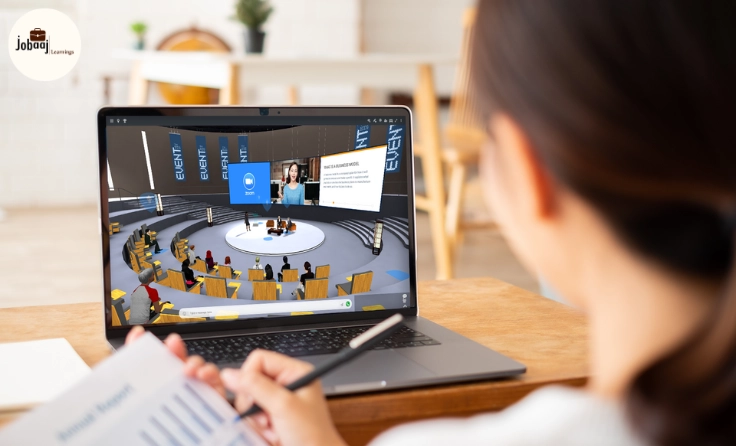
Imagine a teacher standing in front of a classroom full of students, but this classroom is a bit different. It’s not bound by walls or desks—it's a virtual space, and the students aren’t physically there, yet the learning experience is more engaging and interactive than ever. This is the power of eLearning tools, and it's the reality for millions of educators worldwide in 2025.
Exploring a career in Management Consulting? Apply Now!
Gone are the days when teaching was confined to chalkboards and textbooks. With the rise of digital learning, educators now have access to a wide range of tools and platforms designed to enhance teaching, improve student engagement, and streamline administrative tasks. But with so many options available, which ones should you prioritize to make the biggest impact? Let’s explore the top eLearning tools that every educator should be using to ensure their students’ success.
1. Learning Management Systems (LMS)
If there’s one tool that every educator should start with, it’s the Learning Management System (LMS). Platforms like Moodle, Canvas, and Google Classroom provide an all-in-one solution for organizing lessons, grading assignments, and tracking student progress. These systems allow teachers to create, manage, and deliver online learning content efficiently.
-
Why it’s essential: An LMS keeps everything organized and accessible. It ensures that lessons, assignments, and resources are easily accessible to students, and the ability to track performance means no student falls through the cracks.
2. Video Conferencing Tools
The success of remote learning relies heavily on effective communication, and video conferencing tools like Zoom, Google Meet, and Microsoft Teams have become indispensable. These platforms allow teachers to host live classes, hold virtual office hours, and facilitate real-time discussions.
-
Why it’s essential: Video calls help bring the classroom experience to students in different locations. They promote interactive learning, allow for face-to-face communication, and encourage student participation.
3. Collaborative Tools for Group Work
In today’s world, students need to be able to work together, even when they’re not in the same room. Collaborative tools like Google Docs, Trello, and Slack make it easy for students to collaborate on projects, share ideas, and communicate effectively.
-
Why it’s essential: These tools foster teamwork and problem-solving, which are essential skills for the modern workforce. They also allow teachers to track progress and provide feedback in real time.
4. Quiz and Assessment Tools
Assessment is a key part of learning, and tools like Kahoot!, Quizizz, and Socrative make it easy for educators to create engaging quizzes, surveys, and assessments that provide immediate feedback.
-
Why it’s essential: These tools not only make assessments fun but also enhance learning by giving students instant feedback, which helps them identify areas of improvement.
5. Interactive Whiteboards
Gone are the days of traditional chalkboards. With interactive whiteboards like Jamboard, Miro, and Whiteboard.fi, teachers can engage students in real-time collaboration, sketch ideas, and visualize concepts.
-
Why it’s essential: Interactive whiteboards enhance visual learning, which helps make complex concepts easier to understand and retain. It also encourages active participation from students during lessons.
6. Content Creation & Multimedia Tools
Creating engaging and visually appealing content is easier than ever with tools like Canva, Adobe Spark, and Prezi. These tools allow teachers to create professional-looking presentations, infographics, and videos to complement their lessons.
-
Why it’s essential: Multimedia content enhances engagement and makes learning more interactive. Tools like these help teachers create materials that are visually stimulating and can capture students’ attention better than traditional methods.
7. Student Engagement Tools
Engagement is crucial in any learning environment, and tools like Padlet, Flipgrid, and Poll Everywhere offer interactive ways for students to participate, share their thoughts, and collaborate in the learning process.
-
Why it’s essential: These tools provide students with multiple ways to express themselves and engage with the content, whether through videos, polls, or interactive discussions.
Conclusion: Empowering Educators with the Right Tools
As we move further into the digital age, the role of technology in education has never been more important. eLearning tools empower educators to create dynamic, engaging, and interactive learning experiences that cater to the needs of every student. Whether it’s through collaborative platforms, video conferencing, or assessment tools, these tools allow educators to connect with their students and provide the best possible learning experience.
Incorporating these tools into your teaching can transform your classroom, whether physical or virtual. As we look to the future of education, technology will continue to play a crucial role in shaping how students learn, collaborate, and engage with knowledge.
Dreaming of a Management Consulting Career? Start with Management Consulting Certificate with Jobaaj Learnings.
Frequently asked questions
What is an eLearning tool?
An eLearning tool is any digital platform, software, or application that enhances the learning experience by providing resources, assessments, collaboration, and communication between educators and students.
Which eLearning tools are best for teachers?
The best eLearning tools for teachers include Learning Management Systems (LMS) like Google Classroom, video conferencing tools like Zoom, and collaboration tools like Google Docs and Slack.
Can eLearning tools improve student engagement?
Yes, eLearning tools like Kahoot!, Padlet, and Flipgrid make learning more interactive and engaging by offering gamified assessments, multimedia content, and peer interactions.
Are eLearning tools effective for remote learning?
Absolutely! eLearning tools such as video conferencing and collaborative platforms help maintain effective communication and collaboration in remote learning environments.
What are the benefits of using multimedia tools in teaching?
Multimedia tools help make lessons more engaging, visual, and interactive, which aids in student retention and understanding of complex topics.
How do eLearning tools assist in assessing student performance?
eLearning tools like Socrative, Quizizz, and Kahoot! allow for real-time assessments, providing instant feedback and allowing teachers to track student progress and identify areas for improvement.

Join 5,00,000+ Subscribers
Be a part of our ever growing community.