Categories








































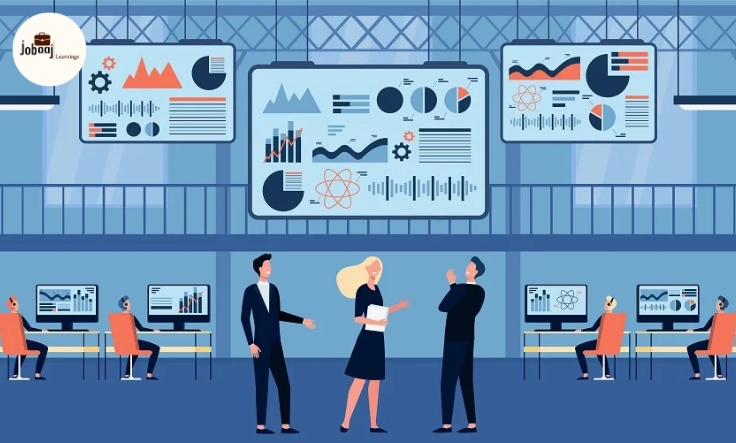
Imagine you’re running an online store, and despite having amazing products, your sales aren’t where you want them to be. You’ve tried different tactics—promotions, discounts, social media campaigns—but something’s missing. Then, you start digging into the data. You analyze customer behaviors, track user engagement, and suddenly, the puzzle pieces start coming together. You realize that the reason your campaigns aren’t working is because you're not targeting the right audience at the right time. With data analytics, you can refine your marketing strategies, and everything starts to change. That’s the power of data analytics in marketing—transforming raw data into actionable insights that drive business success.
Exploring a career in Performance Marketing? Apply Now!
Data analytics has revolutionized the way businesses approach marketing. It’s no longer about guesswork or assumptions; it’s about making informed decisions based on data-driven insights. By understanding consumer behavior, trends, and patterns, companies can create more personalized, efficient, and impactful marketing strategies. Let’s explore how data analytics has reshaped marketing and why it’s an essential tool for businesses today.
Why Data Analytics Is a Game-Changer for Marketing
Data analytics gives businesses the ability to make decisions grounded in real-time data, improving efficiency, precision, and targeting. Here’s why data analytics has become essential for modern marketing:
-
Accurate decision-making: With access to detailed insights, businesses can stop guessing and start making informed decisions.
-
Better resource allocation: Marketing budgets are more effectively spent by optimizing high-performing campaigns.
-
Increased personalization: Data allows companies to cater their marketing messages to specific customer needs, improving engagement.
-
Enhanced customer experience: By understanding customer behavior, businesses can deliver a more relevant, seamless experience.
1. Personalized Marketing Campaigns
Gone are the days of one-size-fits-all marketing. Data analytics allows businesses to gather information about their customers, such as demographics, preferences, and past behaviors. By analyzing this data, businesses can tailor their marketing efforts to meet the specific needs and interests of individual customers. This personalization increases the chances of conversion, as customers are more likely to respond to content that feels relevant to them.
For example:
-
Email Campaigns: Use purchase history to recommend related products.
-
Targeted Ads: Deliver ads based on browsing behaviors and previous interactions.
-
Product Recommendations: Suggest products customers are likely to be interested in, based on past purchases.
Personalized marketing not only enhances the customer experience but also strengthens brand loyalty, making customers feel valued and understood.
2. Improved Customer Segmentation
With data analytics, businesses can segment their customer base more effectively. Instead of grouping all customers into one broad category, analytics enables companies to divide them into smaller, more specific groups based on behavior, location, purchase history, and other factors. This segmentation allows businesses to create targeted marketing campaigns that speak directly to each group’s unique needs.
Key segmentation methods include:
-
Demographics: Age, gender, income, and location.
-
Behavioral data: Purchase history, website interactions, and engagement with content.
-
Psychographics: Interests, values, and lifestyle choices.
By refining their approach to different customer segments, businesses can achieve better results, save marketing costs, and drive conversions.
3. Predictive Analytics for Better Decision Making
One of the most powerful tools in data analytics is predictive analytics. This involves using historical data to forecast future trends and behaviors. By analyzing past customer interactions and purchasing patterns, businesses can predict what products or services are likely to be in demand, when customers are most likely to make a purchase, and even how much they’re willing to spend.
Key benefits of predictive analytics include:
-
Anticipating demand: Prepare for surges in product popularity or sales spikes.
-
Identifying at-risk customers: Reach out to customers who are likely to churn before they do.
-
Optimizing inventory: Ensure popular items are always in stock when demand rises.
With this insight, companies can plan their marketing strategies more effectively, ensuring they’re ready when the demand arises.
4. Real-Time Analytics for Agile Marketing
In today’s fast-paced digital world, real-time analytics has become a game changer for marketers. With access to live data, businesses can monitor the performance of their campaigns in real time and make adjustments on the fly. If an ad isn’t performing well, marketers can tweak the messaging or targeting while the campaign is still running, rather than waiting until after the fact.
Real-time analytics enables:
-
Immediate course corrections: Change campaign parameters instantly to improve results.
-
Responsive engagement: Interact with customers based on their actions in real time.
-
Optimized budgets: Shift marketing spend to channels that are performing well during the campaign.
This agility ensures that marketing efforts are always aligned with the audience’s needs and expectations, ultimately leading to better performance.
5. Optimizing Marketing Spend
One of the biggest challenges for marketers is managing their budget effectively. Data analytics helps solve this problem by providing insights into which marketing channels are delivering the best ROI. By analyzing the performance of various campaigns, businesses can allocate their marketing budget to the most effective channels and strategies, ensuring that every dollar spent contributes to the bottom line.
Ways to optimize marketing spend include:
-
Tracking performance across platforms: Evaluate how well different ad channels perform and allocate funds accordingly.
-
Identifying underperforming campaigns: Adjust or pause campaigns that aren’t delivering the desired results.
-
Allocating budget to high-converting areas: Focus more on the channels that drive the most conversions, such as search engine ads or remarketing.
This targeted approach minimizes waste and maximizes return on investment.
6. Enhancing Customer Retention
Data analytics isn’t just about attracting new customers—it’s also about retaining the ones you already have. By analyzing customer data, businesses can identify at-risk customers and take proactive measures to retain them. For example, if a customer hasn’t made a purchase in a while, businesses can send them personalized offers or reminders to encourage them to return.
Customer retention strategies include:
-
Loyalty programs: Reward frequent buyers with discounts or exclusive access.
-
Personalized email campaigns: Send tailored offers or content based on previous interactions.
-
Feedback loops: Ask for customer feedback to improve the experience and show customers that their opinions matter.
Retaining existing customers is often more cost-effective than acquiring new ones, making customer retention a crucial aspect of any marketing strategy.
Conclusion
Data analytics has transformed marketing by providing businesses with the tools they need to make informed, data-driven decisions. From personalizing marketing campaigns to optimizing spend and improving customer retention, data analytics enables businesses to create more effective, targeted strategies that drive growth. As the digital landscape continues to evolve, leveraging data analytics will remain essential for staying ahead of the competition and ensuring long-term marketing success.
Dreaming of a Performance Marketing Career? Start with Performance Marketing Certificate with Jobaaj Learnings.
Frequently asked questions
How does data analytics improve marketing strategies?
Data analytics improves marketing strategies by providing insights into customer behavior, helping businesses create personalized campaigns, optimize their marketing budget, and predict future trends.
What is customer segmentation in marketing?
Customer segmentation involves dividing your customer base into smaller, more specific groups based on factors like behavior, demographics, and purchase history to create targeted marketing campaigns.
What is predictive analytics and how is it used in marketing?
Predictive analytics uses historical data to forecast future trends and behaviors, helping businesses anticipate demand, optimize campaigns, and make data-backed decisions.
How can real-time analytics help in marketing?
Real-time analytics allows businesses to monitor their marketing campaigns as they happen, enabling them to make quick adjustments and improve campaign performance on the go.
How can data analytics help with customer retention?
By analyzing customer data, businesses can identify at-risk customers and implement retention strategies such as personalized offers, loyalty programs, and timely reminders.
How can data analytics optimize marketing spend?
Data analytics helps businesses determine which marketing channels and strategies deliver the best return on investment, allowing them to allocate their marketing budget more effectively.

Join 5,00,000+ Subscribers
Be a part of our ever growing community.