Categories








































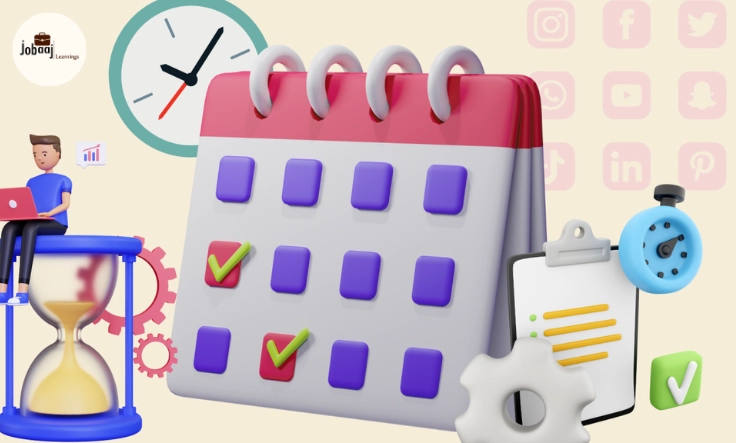
Picture this: You’re running a blog or managing a business, and the clock is ticking. You know you need consistent content, but every time you sit down to write, it feels like you’re starting from scratch. You're scrambling to come up with ideas, and the pressure to stay consistent is overwhelming. Sound familiar? Well, it doesn’t have to be that way. With a solid content calendar, you can eliminate the chaos, plan ahead, and stay organized. Not only will this ease your stress, but it will also make your content strategy more effective and targeted. So, let’s dive into how you can build an effective content calendar that works for you.
Exploring a career in Performance Marketing? Apply Now!
A content calendar is more than just a schedule; it’s a strategic tool that helps plan, organize, and streamline your content creation. Whether you’re managing a blog, social media, or even a marketing campaign, a content calendar ensures that you stay consistent and aligned with your goals. But how do you build one? Let's break it down step by step.
Why Do You Need a Content Calendar?
First things first, why is a content calendar so important? A content calendar keeps your content strategy organized, ensuring that you have a steady flow of content to engage your audience. It helps you plan in advance, saving you from scrambling for content ideas last minute. Plus, it allows you to keep track of important dates, campaigns, and events that you want to align your content with.
Steps to Building a Content Calendar
-
Define Your Goals
Before you start planning, it’s essential to understand your objectives. What do you want your content to achieve? Are you aiming to increase brand awareness, drive traffic, or boost sales? Knowing your goals will help you create content that aligns with your overall business strategy. -
Know Your Audience
Understanding your audience is key to creating content that resonates with them. Use data, feedback, and research to find out what your audience cares about. What are their pain points? What questions are they asking? Tailoring your content to your audience’s needs will make it much more engaging. -
Choose Your Content Types
Decide what kind of content you will be publishing. This could include blogs, social media posts, videos, newsletters, and more. The type of content you choose should reflect your audience's preferences and your marketing goals. -
Set a Posting Frequency
How often do you want to post? Whether it’s daily, weekly, or bi-weekly, consistency is key. You don’t want to overwhelm yourself with too much content, but at the same time, you want to ensure that you’re posting regularly to keep your audience engaged. -
Plan Your Content Topics
Brainstorm a list of potential topics that you want to cover. Make sure these topics align with your audience’s interests and address any questions or challenges they might have. Group these topics into themes or categories to make your content more structured and easier to create. -
Create a Timeline
Now that you have your topics, it’s time to map them out on a calendar. Be sure to consider seasonal events, holidays, or industry trends that may influence your content. Assign each topic to a specific date, and make sure you leave enough time for content creation, editing, and review. -
Use Tools to Stay Organized
There are plenty of tools available to help you build and maintain your content calendar. Google Sheets, Trello, Asana, and Airtable are all great options. These tools allow you to track deadlines, collaborate with team members, and keep everything in one place. -
Review and Adjust
A content calendar is not set in stone. Regularly review your calendar and adjust it as needed. If a topic doesn’t perform well, tweak your approach. If a new trend or event arises, adjust your content plan to include it. The key is to stay flexible and adapt to changing circumstances.
Tips for Maintaining Your Content Calendar
-
Stay Ahead: Try to plan content at least a month in advance. This gives you time to refine your ideas and make adjustments if necessary.
-
Consistency is Key: Stick to your posting schedule as much as possible. Consistent content builds trust with your audience.
-
Engage Your Audience: Ask for feedback, run polls, or create content based on your audience’s interests to keep them engaged.
Conclusion
Building an effective content calendar is essential for any content-driven business or individual looking to stay organized and consistent. By planning ahead, setting clear goals, and creating content that speaks to your audience, you’ll not only reduce stress but also improve your content's quality and impact. Remember, the best content calendars are flexible and evolve over time, so don’t be afraid to adjust as you go. With a strong content calendar in place, you’ll be able to manage your content strategy efficiently, stay on top of deadlines, and achieve your business goals.
Dreaming of a Performance Marketing Career? Start with Performance Marketing Certificate with Jobaaj Learnings.
Frequently asked questions
What is a content calendar?
A content calendar is a schedule that outlines when and where you will publish content. It helps you stay organized and plan your content strategy in advance.
Why is a content calendar important?
A content calendar ensures consistent content production, helps align your content with your business goals, and keeps your marketing efforts organized and on track.
How do I create a content calendar?
To create a content calendar, define your goals, understand your audience, choose content types, set a posting frequency, plan topics, create a timeline, and use tools to stay organized.
What tools can I use to manage my content calendar?
Popular tools for managing content calendars include Google Sheets, Trello, Asana, and Airtable, which help organize tasks and deadlines.
How often should I update my content calendar?
Content calendars should be reviewed regularly, at least monthly, to ensure they remain aligned with trends, events, and audience preferences.
Can I use a content calendar for social media?
Yes, content calendars are widely used for social media planning. They help schedule posts, track content performance, and maintain consistency across platforms.

Join 5,00,000+ Subscribers
Be a part of our ever growing community.