Categories








































Creating a logo is one of the most important steps in establishing a brand's identity. It’s the first thing people see when they encounter your business, and it communicates your company’s values, message, and personality in a single image. In today’s competitive market, a well-designed logo can help you stand out and make a lasting impression.
Exploring a career in Web Development? Apply now!
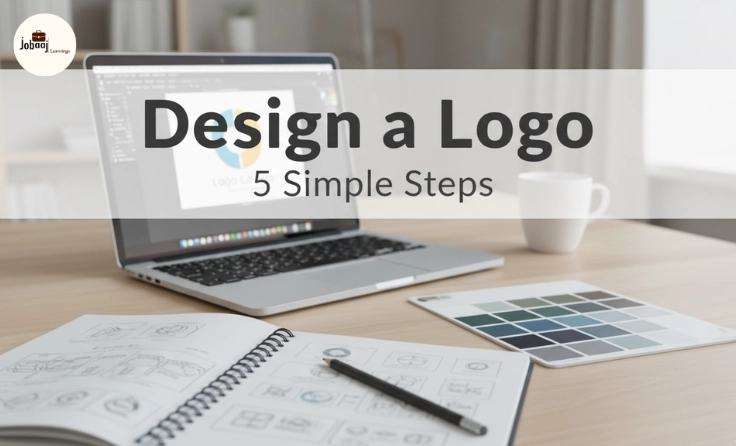
But how do you design a logo that’s both eye-catching and meaningful? The process may seem daunting, but it doesn’t have to be. In this blog, we’ll break down the process into 5 simple steps that will guide you in creating a logo that truly represents your brand.
Step 1: Understand Your Brand Identity
Before you even think about sketching your logo or choosing colors, it’s essential to have a clear understanding of your brand. Your logo should visually communicate what your business stands for and reflect the emotions you want people to associate with your brand.
Ask yourself the following questions:
-
What are the core values of your business?
-
Who is your target audience?
-
What makes your brand different from competitors?
By answering these questions, you’ll have a solid foundation to guide the design process. For example, a tech company might want a sleek, modern logo, while a nonprofit might prefer a warm, friendly design. Understanding your brand’s identity will inform the design elements that follow.
Step 2: Do Your Research
Research is a crucial part of designing a logo. Not only do you need to understand your own brand, but you also need to know what’s already out there in your industry. Check out your competitors' logos and see what works and what doesn’t.
Look for trends within your industry, but don’t be afraid to stand out. For example, if most of your competitors have conservative, traditional logos, maybe it’s time for a more creative, modern take.
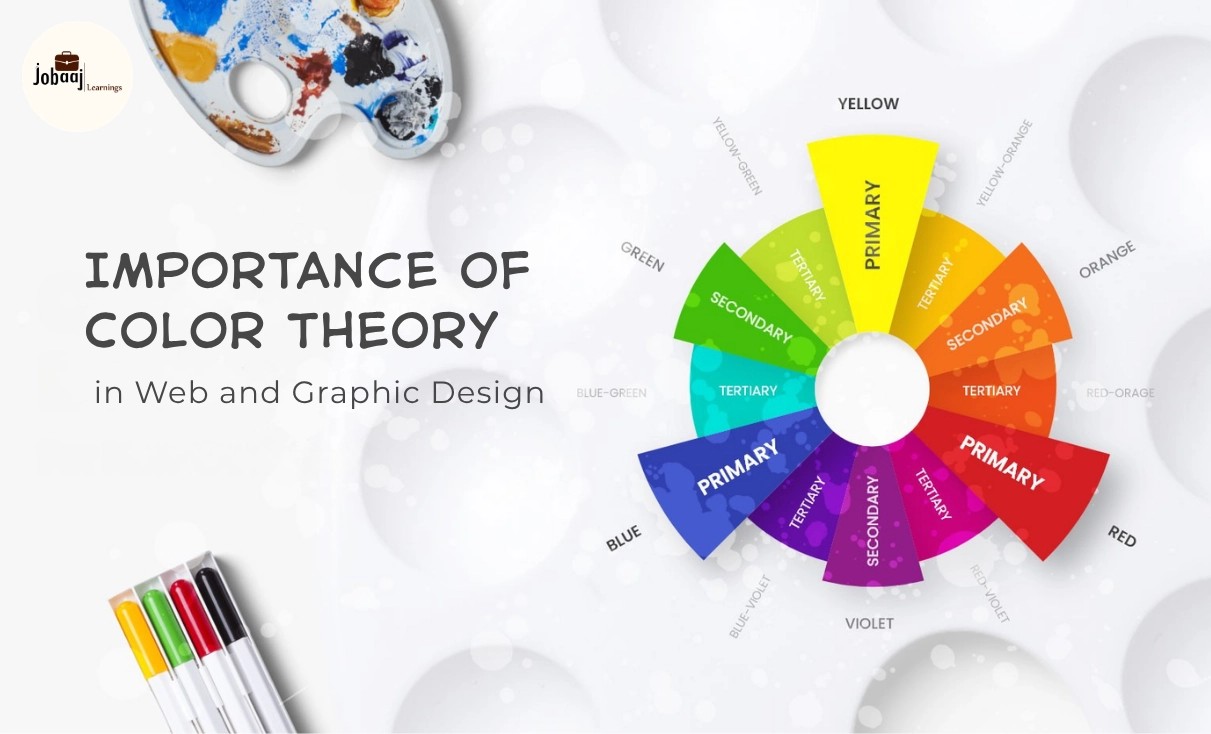
You should also consider the psychology of color in your research. Colors evoke different emotions and can affect how people perceive your brand. For example:
-
Blue often represents trust and professionalism (ideal for finance or healthcare).
-
Red can evoke excitement and energy (perfect for entertainment or food).
-
Green signifies growth and nature (great for eco-friendly brands).
Step 3: Sketch Your Ideas
Now that you have a clear understanding of your brand and industry, it’s time to start brainstorming. Start by sketching out rough ideas for your logo. Don’t worry about perfection at this stage; the goal is to get your ideas onto paper and start experimenting with different shapes, symbols, and fonts.
Use a pen and paper to quickly sketch several concepts. Consider combining different elements from your research:
-
Do you want to incorporate your company’s initials or full name?
-
Would a symbol or icon help communicate your brand's mission?
-
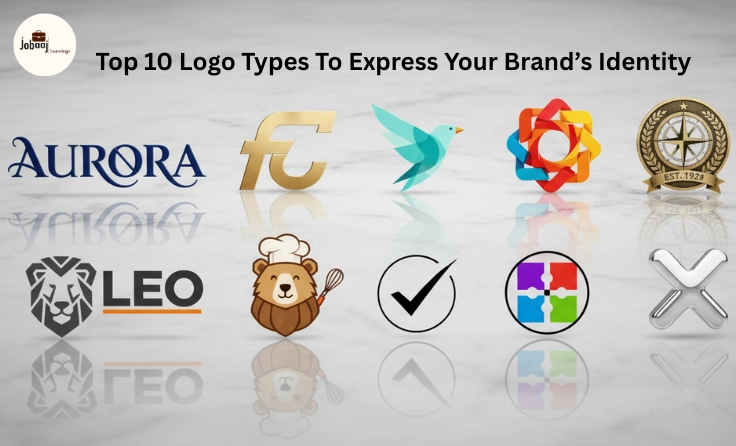
Are you focusing on a wordmark (text-based), lettermark (initials), pictorial mark (symbol), or a combination of these?
This step will allow you to explore a variety of possibilities and refine your design ideas.
Step 4: Choose the Right Design Elements
Once you’ve selected a few promising sketches, it’s time to bring them to life with digital tools. When designing a logo, you’ll need to consider the following design elements:
-
Typography (Font Choice):
-
Choose fonts that reflect your brand’s personality. Serif fonts (like Times New Roman) convey tradition and reliability, while sans-serif fonts (like Arial) are modern and clean. Avoid overly decorative fonts, as they can be hard to read.
-
-
Color:
-
Choose a color palette that matches your brand’s values. Stick to 2-3 main colors to avoid overwhelming the design. Use contrasting colors to make your logo stand out and ensure it’s legible at any size.
-
-
Simplicity:
-
A logo should be simple and easy to recognize. Avoid cluttering it with too many elements. The best logos are clean, clear, and instantly recognizable.
-
-
Scalability:
-
Your logo should look great at any size, whether it’s on a business card or a billboard. Ensure that it’s legible and distinct even when scaled down. Test how it looks on different media, such as websites, merchandise, and print materials.
-
Step 5: Refine and Finalize Your Logo
After creating your digital logo design, it’s time to refine and make sure it’s perfect. Here’s what you need to do:
-
Get Feedback:
-
Show your logo to colleagues, friends, or even potential customers to get their opinion. Is it clear? Does it communicate your brand’s message effectively? Feedback can help you spot areas for improvement.
-
-
Make Necessary Adjustments:
-
Based on the feedback, make any necessary adjustments to color, font, or layout. Sometimes, small tweaks can make a huge difference in how your logo is perceived.
-
-
Test It Across Different Platforms:
-
Your logo should look great on various digital and physical platforms, from social media icons to business cards. Ensure that it’s adaptable and works well in all contexts.
-
-
Save in Multiple File Formats:
-
Once you're happy with the final design, save your logo in various formats, such as .SVG, .PNG, and .JPG. Each format has its use vector formats like .SVG are essential for scaling, while .PNG and .JPG are great for web use.
-
Final Thoughts
Designing a logo is not just about creating something that looks good—it’s about representing your brand’s identity and values in a simple, visually compelling way. By following these 5 simple steps, you’ll be well on your way to crafting a logo that makes a lasting impression.
In 2026, your logo will continue to serve as a cornerstone of your brand identity, guiding how customers recognize and engage with your business. Whether you’re a startup or an established company, a well-designed logo is the key to building trust and recognition in today’s competitive marketplace.
Dreaming of a Web Development Career? Start with Web Development Certificate with Jobaaj Learnings.
Frequently asked questions
What is the importance of a logo in branding?
A logo is a crucial element of your brand identity. It visually represents your business and helps create recognition, trust, and loyalty with customers. A well-designed logo establishes a strong first impression and communicates your company’s values and mission.
Can I design a logo myself or should I hire a professional?
You can design a logo yourself, especially if you have some design knowledge. However, hiring a professional graphic designer is always a great option for businesses that want a polished, high-quality logo that truly represents their brand. A designer can help bring your vision to life and ensure that the logo is versatile and scalable.
What are the most important elements of a logo?
The most important elements of a logo include typography, color, simplicity, and scalability. Typography (font) should reflect your brand’s personality, while colors convey emotional tone. The design should be simple, clean, and easy to recognize, and it should look great on various devices and platforms.
What file formats should I save my logo in?
You should save your logo in various file formats, including vector formats like .SVG for scalability and raster formats like .PNG and .JPG for web use. These formats ensure that your logo looks sharp and clear no matter where it’s displayed.
How do I make sure my logo looks good on all devices?
Test your logo on different devices and screen sizes to ensure it remains legible and visually appealing. A responsive logo design ensures that your logo adapts to various platforms and looks great, whether it's on a mobile screen, desktop monitor, or print media.

Join 5,00,000+ Subscribers
Be a part of our ever growing community.