Categories








































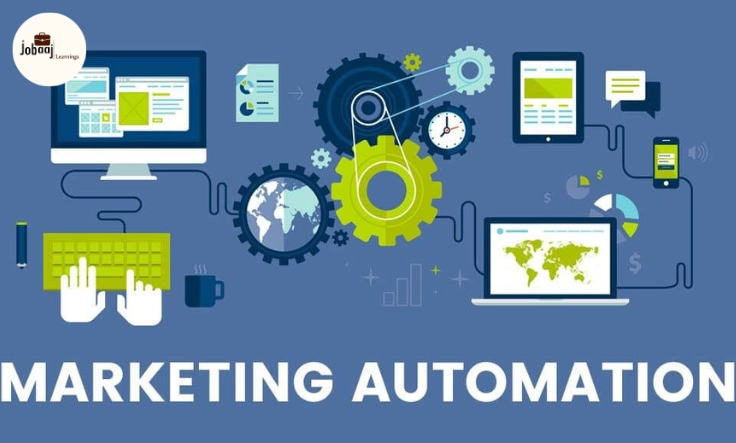
Imagine this: You’re running a growing business, and every day, you juggle multiple tasks—sending emails, posting on social media, managing customer data, and more. It’s overwhelming, and you’re realizing that without a more efficient system, things might start slipping through the cracks. This is where marketing automation comes in. It’s the game-changer that allows you to streamline repetitive tasks, engage customers at the right time, and ultimately free up your time to focus on strategy and growth. By using the right tools and strategies, marketing automation can enhance your marketing efforts and make your campaigns more efficient and impactful.
Exploring a career in Performance Marketing? Apply Now!
Marketing automation has become a must-have for businesses aiming to stay competitive in today’s fast-paced digital world. From automating emails to managing customer journeys, it helps companies deliver personalized experiences while saving time and resources. Let’s dive into the tools and strategies that will allow you to leverage marketing automation to its fullest potential.
1. What is Marketing Automation?
Marketing automation refers to the use of software and technologies to automate repetitive marketing tasks. This includes processes like email marketing, social media posting, ad campaigns, lead nurturing, and customer segmentation. With marketing automation, businesses can create workflows that trigger actions based on customer behavior, interactions, or specific timeframes.
Key benefits of marketing automation include:
Time savings: Automation frees up time by eliminating the need for manual intervention in routine tasks.
Personalization: Automation tools allow you to tailor your messages based on customer behavior, improving engagement.
Consistency: Automated systems ensure that communication is consistent, timely, and relevant, which builds trust with your audience.
By automating these tasks, businesses can scale their marketing efforts without compromising quality or missing opportunities.
2. Top Marketing Automation Tools
There are several marketing automation tools available today, each offering unique features to help businesses streamline their operations. Here are some of the most popular and effective ones:
HubSpot: HubSpot is a comprehensive marketing automation platform that offers tools for email marketing, social media management, lead nurturing, and CRM integration. It’s ideal for small to medium-sized businesses looking for an all-in-one solution.
Mailchimp: Originally known for email marketing, Mailchimp now offers a full suite of marketing automation features. It’s an excellent tool for businesses of all sizes looking to automate email campaigns and track customer behavior.
Marketo: Marketo is a powerful tool for larger businesses that need advanced features like lead scoring, account-based marketing, and personalized campaigns. It integrates well with Salesforce and other CRMs.
ActiveCampaign: ActiveCampaign is great for email automation and customer relationship management. It allows businesses to create highly personalized email campaigns based on customer interactions.
Pardot: Pardot, a Salesforce product, is geared toward B2B companies and provides powerful lead management, email automation, and reporting features.
Choosing the right tool depends on your business needs, team size, and the complexity of your campaigns. Evaluate each tool’s features and integrations to find the one that fits your requirements.
3. Key Strategies for Implementing Marketing Automation
While the tools are essential, your strategy is what makes marketing automation truly effective. Here are some key strategies to consider when implementing automation into your marketing efforts:
Create targeted workflows: Automate email campaigns based on customer actions. For example, a welcome email series for new subscribers, or a re-engagement campaign for inactive users.
Lead nurturing: Use automation to send personalized emails at various stages of the customer journey. For instance, send educational content to new leads or product recommendations to customers who have abandoned their shopping carts.
Segment your audience: Use automation tools to segment your audience based on demographics, behavior, or past interactions. This allows you to send more relevant and personalized messages.
Set up triggers and actions: Triggers are events that prompt an action. For example, a user downloading an eBook can trigger a follow-up email with a related blog post. Automating these actions ensures timely, relevant communication with minimal effort.
A solid strategy ensures that your automated processes align with your business goals, ultimately driving better customer experiences and improved results.
4. Measuring the Effectiveness of Marketing Automation
To ensure your marketing automation efforts are working, you must track and measure performance. Monitoring key metrics allows you to adjust your strategy and improve results over time. Here are some important metrics to focus on:
Open and click-through rates: Measure how many people are opening your emails and clicking on the links. High open rates indicate that your subject lines are engaging, while good click-through rates show that your content resonates with your audience.
Conversion rates: Track how many leads or customers are taking the desired actions, such as making a purchase or signing up for a webinar.
Customer retention: Automation helps maintain consistent communication, which can improve customer loyalty and retention. Track how many customers engage with your campaigns over time.
Lead generation: Measure how many leads you’re generating through automated campaigns and how many of those leads are converting into paying customers.
By consistently analyzing these metrics, you can fine-tune your automation strategy and ensure you’re getting the best possible results.
5. Common Pitfalls to Avoid
While marketing automation offers many benefits, there are a few common mistakes businesses make when implementing it:
Lack of personalization: While automation is powerful, it’s essential to maintain a personal touch. Make sure your automated messages feel customized and relevant to the recipient’s journey.
Over-automation: Too much automation can lead to a robotic experience that lacks human interaction. Make sure there’s room for personalized, human responses, especially in customer service.
Neglecting data: Marketing automation is only effective if you’re using the data you collect to inform your decisions. Regularly analyze your data to ensure your campaigns are performing well.
By avoiding these pitfalls, you can maximize the impact of your marketing automation and create a more effective, human-centered experience for your audience.
Conclusion
Marketing automation is a powerful tool that can enhance your marketing efficiency and help you scale your efforts. By leveraging the right tools, creating a solid strategy, and measuring your performance, you can create a marketing system that works seamlessly and delivers real results. Automation allows you to engage your audience with the right message at the right time, freeing up your resources for more strategic initiatives. Start integrating marketing automation into your strategy today and see how it can transform your business.
Dreaming of a Performance Marketing Career? Start with Performance Marketing Certificate with Jobaaj Learnings.
Frequently asked questions
What is marketing automation?
Marketing automation involves using software tools to automate repetitive marketing tasks such as email campaigns, social media posting, and lead nurturing, making your marketing efforts more efficient.
How does marketing automation improve efficiency?
Marketing automation saves time by eliminating manual tasks, allowing businesses to send personalized messages at scale, engage customers at the right time, and track performance in real time.
What are the best marketing automation tools?
Some of the top marketing automation tools include HubSpot, Mailchimp, Marketo, ActiveCampaign, and Pardot. These tools offer various features to help with email marketing, lead management, and customer segmentation.
How can I personalize automated marketing messages?
To personalize your automated messages, use customer data to segment your audience and send targeted content based on their behavior, preferences, or previous interactions with your brand.
What metrics should I track in marketing automation?
Key metrics to track include open rates, click-through rates, conversion rates, customer retention, and lead generation. These help you gauge the effectiveness of your automated campaigns.
Can marketing automation help with customer retention?
Yes, marketing automation allows you to maintain consistent communication with customers, providing relevant content and offers, which helps improve customer loyalty and retention.

Join 5,00,000+ Subscribers
Be a part of our ever growing community.