Categories







































As the digital landscape evolves, website design is no longer just about functionality it’s about creating experiences that captivate, engage, and inspire. In 2026, website design is expected to reach new heights of creativity, combining sleek aesthetics, advanced technology, and user-focused experiences. Whether you're a business owner, designer, or someone with a passion for digital innovation, getting inspired by the latest trends in website design is a must.
In this blog, we’ll take a look at the top 10 website designs that will dominate in 2026, providing you with innovative ideas and design inspiration that can be applied to your projects. From immersive experiences to minimalist elegance, the future of website design is set to be more dynamic than ever. Let’s explore how these design trends can help elevate your digital presence and create lasting impressions on visitors.
1. Immersive 3D Experiences
The future of web design is immersive. With 3D elements becoming more accessible, websites are evolving into interactive, engaging experiences. In 2026, expect to see websites that utilize 3D visuals, interactive animations, and virtual environments that users can explore.
-
Why it works: 3D elements can bring your brand to life, allowing users to interact with products, environments, or designs. This makes the site feel more dynamic and can significantly increase user engagement.
-
How to implement it: Incorporating 3D models, animated graphics, or interactive product tours can transform your website into a visually stunning, engaging platform.
2. Dark Mode Dominance
Dark mode is here to stay. It reduces eye strain, enhances readability, and provides a sleek, modern aesthetic that’s loved by many users. As we move into 2026, websites will increasingly default to dark themes, with lighter themes reserved for certain content or user preferences.
-
Why it works: Dark mode offers a minimalist look that enhances the contrast of images, videos, and text, while also helping conserve battery life on mobile devices.
-
How to implement it: Choose dark color palettes, combining rich blacks with accent colors. Focus on legible typography and high-contrast visuals to keep the user experience smooth.
3. Minimalist and Clean Designs
Less is more this is the mantra of minimalist design. In 2026, websites will continue embracing clean, simple layouts that allow content to stand out and reduce distractions. This style emphasizes whitespace, simple navigation, and effective use of color to create a calm, organized visual flow.
-
Why it works: A clutter-free website with intuitive design elements creates a peaceful browsing experience, enhancing user focus and accessibility.
-
How to implement it: Remove unnecessary elements, reduce text, and prioritize essential content. Make use of subtle gradients, iconography, and clear typography.
4. AI-Powered Personalization
AI will be a game-changer in website design in 2026. By leveraging artificial intelligence, websites can offer personalized experiences to users based on their behavior, preferences, and browsing patterns. This level of personalization can increase engagement, customer satisfaction, and conversion rates.
-
Why it works: Personalized content leads to higher engagement and makes users feel that a website is tailored just for them, improving customer retention.
-
How to implement it: Use AI-driven tools to analyze user behavior and offer personalized content or recommendations. This can include product suggestions, blog posts, or even personalized layout options.
5. Voice User Interface (VUI)
Voice search and voice commands will revolutionize the way people interact with websites in 2026. Voice User Interface (VUI) design will allow users to navigate websites, access content, and make requests using voice commands instead of clicking or typing.
-
Why it works: VUI improves accessibility, especially for people with disabilities, and creates a hands-free browsing experience for users on the go.
-
How to implement it: Integrate voice search features, chatbots with voice recognition, and voice-enabled content to enhance usability.
6. Micro-Interactions for Enhanced UX
Micro-interactions, or the small animations and design elements that occur when a user interacts with a site (such as hover effects, loading animations, or transitions), will be key to enhancing user experience in 2026.
-
Why it works: Micro-interactions make websites feel more interactive and fun. They provide feedback to users and can guide them through various website actions, improving usability and satisfaction.
-
How to implement it: Add subtle animations on buttons, scrollbars, or form submissions. Think of simple effects that provide feedback without overwhelming the user.
7. Augmented Reality (AR) Integration
AR technology will be used to bring real-world experiences to life directly on websites. From virtual try-ons to 360-degree product views, AR allows customers to engage with products in ways that were previously unimaginable.
-
Why it works: AR makes shopping and browsing more immersive, allowing users to visualize products in their real-world environments before making a purchase decision.
-
How to implement it: Use AR to showcase products, such as furniture or apparel, and allow customers to see how these items would fit into their homes or on their bodies.
8. Video and Animation as Backgrounds
Websites in 2026 will use video and animation not only to enrich content but also as background elements. This dynamic design feature captures attention, tells a story, and enhances the emotional connection between the user and the brand.
-
Why it works: Videos and animations draw users in, creating an engaging atmosphere that keeps them on the site longer.
-
How to implement it: Use high-quality, short-form videos or looping animations that relate to your brand’s story or product offerings. Keep file sizes optimized to avoid slow load times.
9. Mobile-First and Responsive Designs
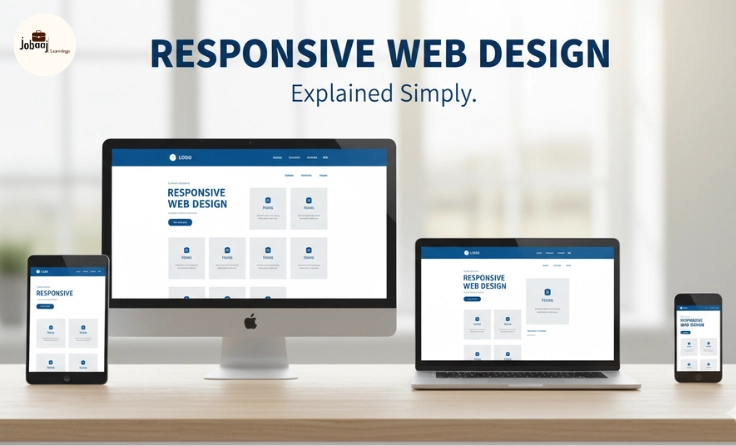
With more people browsing the internet on mobile devices than ever before, mobile-first web design will continue to be a top priority in 2026. Websites will be built to look great on any device, offering seamless experiences whether viewed on a smartphone, tablet, or desktop.
-
Why it works: Mobile-first design ensures that your website provides the best experience to the largest audience, especially in regions where mobile usage dominates.
-
How to implement it: Prioritize a responsive design, ensuring that all content adjusts seamlessly to any screen size. Focus on touch-friendly interfaces and mobile-optimized features.
10. Sustainability and Eco-Friendly Design
Sustainability will become an essential aspect of web design in 2026, with websites embracing eco-friendly practices. Green web design focuses on minimizing a website’s carbon footprint by optimizing energy usage, reducing resource consumption, and using sustainable hosting services.
-
Why it works: As users become more eco-conscious, businesses that prioritize sustainability will gain trust and loyalty from customers who value environmentally-friendly practices.
-
How to implement it: Optimize images and videos for smaller file sizes, use energy-efficient hosting solutions, and minimize unnecessary elements that consume resources.
Comparison of Top 10 Website Design Trends for 2026
|
Design Trend |
Key Feature |
Why It Matters |
|
Immersive 3D Experiences |
Interactive 3D elements and virtual environments. |
Engages users, increases interaction and engagement. |
|
Dark Mode Dominance |
A dark-themed interface that reduces eye strain. |
Enhances aesthetics and improves user experience. |
|
Minimalist and Clean Designs |
Simple, clutter-free layouts with essential content only. |
Focuses on user ease and quick information access. |
|
AI-Powered Personalization |
AI analyzing user behavior to offer personalized content. |
Increases user engagement and satisfaction. |
|
Voice User Interface (VUI) |
Voice commands and voice search integration. |
Makes websites more accessible and hands-free. |
|
Micro-Interactions |
Small animations and effects triggered by user actions. |
Makes the website feel interactive and responsive. |
|
Augmented Reality (AR) Integration |
Real-world experiences like product try-ons and virtual tours. |
Offers immersive and interactive product experiences. |
|
Video and Animation Backgrounds |
Use of videos or animations as backgrounds or visual elements. |
Captures attention and enhances emotional connection. |
|
Mobile-First and Responsive Design |
Design focused on seamless user experience on any device. |
Provides optimal experience across all devices. |
|
Sustainability and Eco-Friendly Design |
Eco-conscious design practices, reducing website carbon footprint. |
Appeals to environmentally-conscious users. |
Conclusion
The future of website design in 2026 promises to be an exciting blend of creativity, technology, and user-centric experiences. With these 10 inspiring design trends, businesses can stay ahead of the curve, building websites that engage users, drive conversions, and leave a lasting impact. Whether you're a designer looking for inspiration or a business owner eager to modernize your online presence, 2026 is the year to take your website design to the next level.
Frequently asked questions
What are the top web design trends in 2026?
In 2026, the top web design trends include immersive 3D experiences, dark mode dominance, minimalist designs, AI-powered personalization, voice user interfaces (VUI), and augmented reality integration, among others. These trends aim to create more engaging, user-friendly, and personalized web experiences.
Why is mobile-first design important in 2026?
With the increasing use of smartphones and mobile devices, mobile-first design ensures websites provide the best user experience on mobile. It focuses on making websites responsive, touch-friendly, and easy to navigate on smaller screens, which is crucial for maintaining engagement and reducing bounce rates.
What is the role of AI in website design?
AI in website design helps personalize content based on user behavior. By analyzing data and predicting user preferences, AI can create tailored experiences for visitors, enhancing engagement and customer satisfaction.
How does augmented reality enhance web design?
Augmented reality (AR) brings a more interactive and immersive experience to websites. Users can engage with products in 3D, try on items virtually, or explore environments, all of which can enhance customer decision-making and increase conversions.
What is eco-friendly web design?
Eco-friendly web design focuses on reducing the environmental impact of websites. It includes practices like optimizing images for faster loading, choosing energy-efficient hosting services, and minimizing unnecessary resources to lower carbon footprints.

Join 5,00,000+ Subscribers
Be a part of our ever growing community.